One Day in Hiroshima: Peace Memorials, Food & Miyajima

Plan Your Hiroshima Day Trip
Spending one day in Hiroshima is an experience that stays with you long after you leave. This is a city that carries a tremendous history, yet at the same time demonstrates resilience, peace, and hope. Hiroshima is not defined only by the tragedy that occurred here, but by how it chose to rebuild, remember, and continues to share its message with the world.
Visiting Hiroshima City was quite emotional. We suggest combining various activities to provide a balance in your time there. After spending a morning immersing ourselves in a very dark chapter of history, we felt it was a good change of pace to then visit a natural place that offers beauty and calm. This guide will provide you with some of the top spots to visit on your day trip to Hiroshima and Miyajima.
Things To Do In Hiroshima
✅ Visit the Peace Memorial Museum, one of the most moving museums in the world
✅ Walk through the tranquil Peace Memorial Park to see its monuments
✅ Enjoy Hiroshima-style okonomiyaki, a local specialty
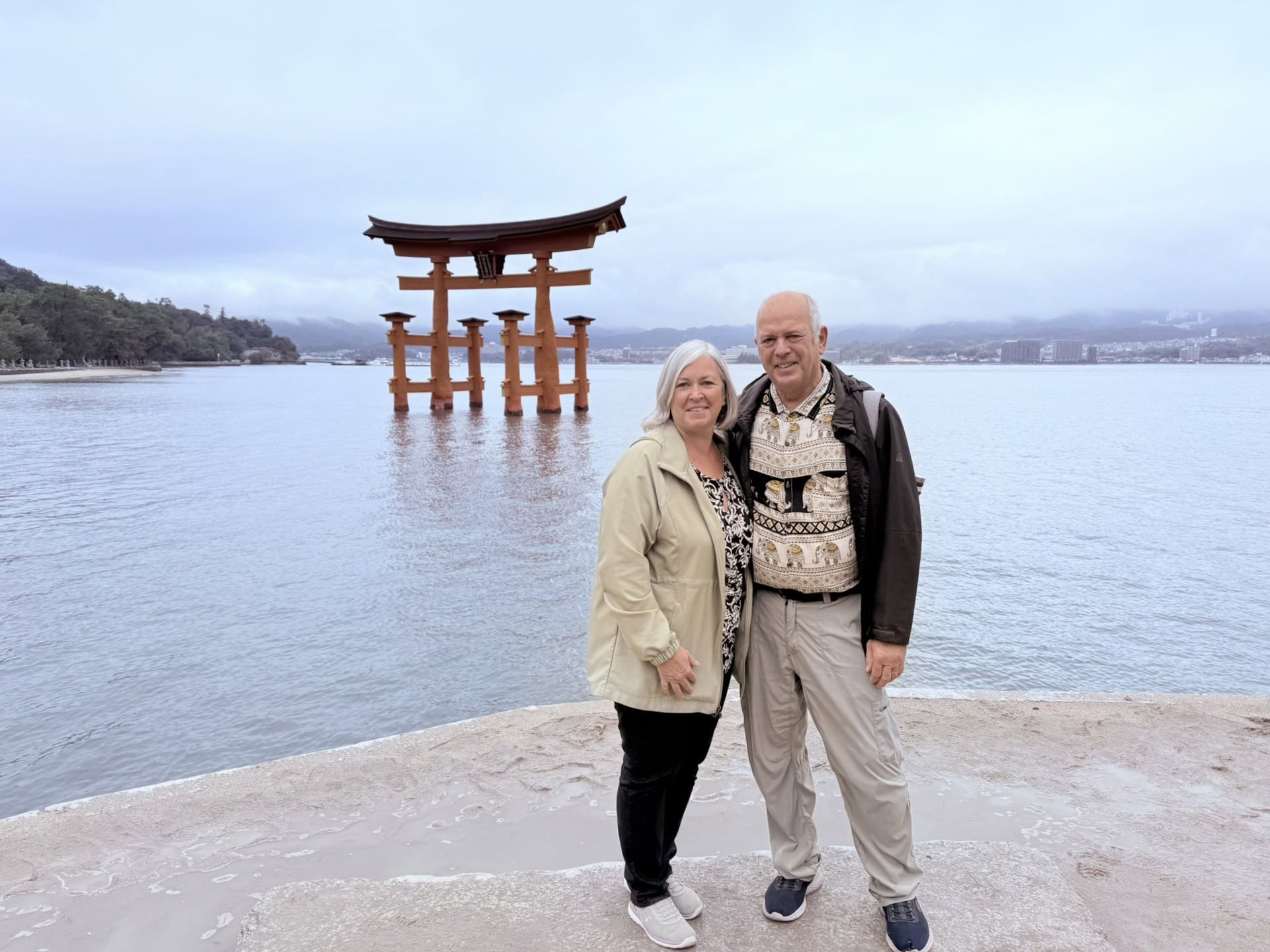
✅ Take a ferry to the Island of Miyajima to see the iconic floating torii gate
A Brief History of Hiroshima and the Atomic Bomb
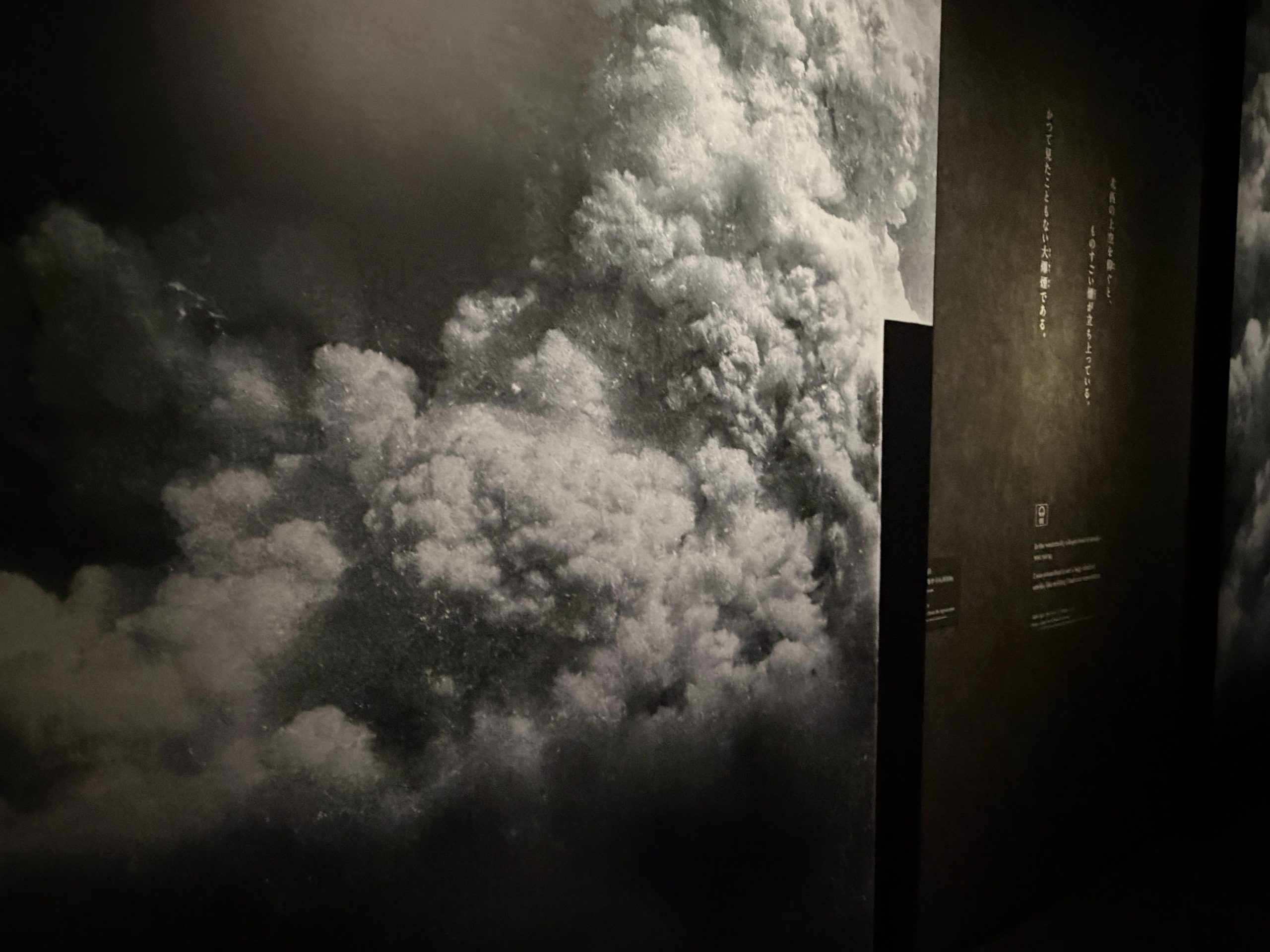
Hiroshima will forever be linked to August 6, 1945, the day the world’s first atomic bomb was dropped on the city. The bomb exploded approximately 600 metres above ground, and the mushroom cloud rose to an astonishing height of nearly 33,000 feet.
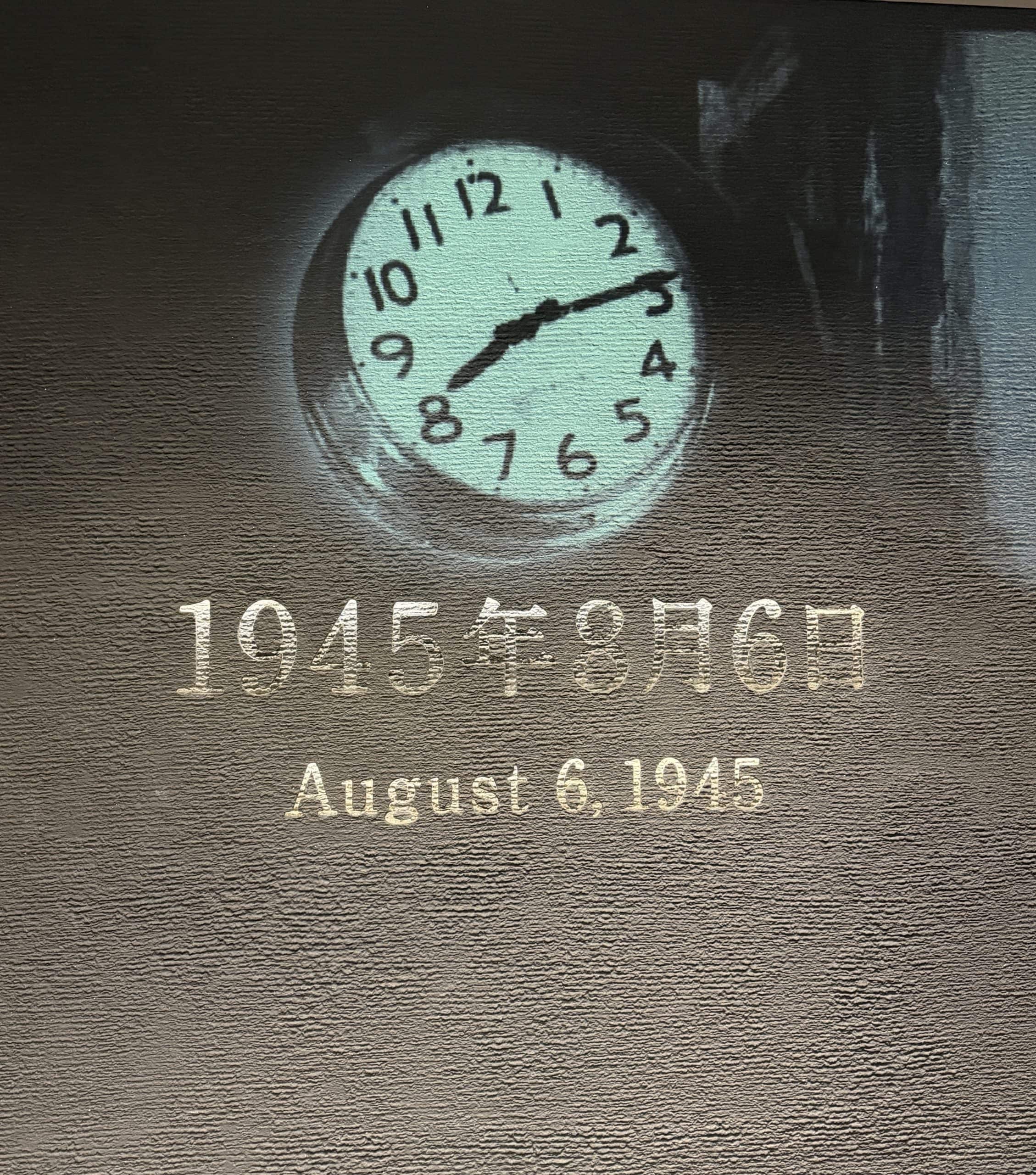
In an instant, temperatures near the hypocentre are thought to have been between 3,000 and 4,000 degrees celsius, wiping out everything beneath it. Buildings collapsed, people were vaporized, and fires spread throughout the city. By the end of 1945, an estimated 140,000 people had died as a direct or indirect result of the bombing, with many others suffering injuries and illnesses.
Hiroshima was chosen as a target largely because it was a significant military and industrial city, well-known for its shipbuilding facilities. Before the bombing, the city had been relatively untouched by air raids, making it easier for the effects of the bomb to be studied.
What makes Hiroshima so significant today is not only what happened, but how the city responded. Hiroshima rebuilt itself with a focus on peace, remembrance, and a commitment to ensuring that atrocities such as these never happen again.
✅ If you would like to enjoy the sights of Hiroshima that we detail in this article, consider taking the private tour we took. It was a great way to learn about the area, navigate easily on the transit system and see the major sites of the area.
CHECK OUT OUR TOP TRAVEL RESOURCES
✦ Find superior accommodations on Expedia.com or Booking.com
✦ Book your rental car wth Discover Cars
Visit The Hiroshima Peace Memorial Museum
The Peace Memorial Museum is the most important place to visit on a Hiroshima itinerary. Opened in 1955, the museum was designed not only to document the events of August 6, 1945, but to educate future generations about the consequences of nuclear weapons.
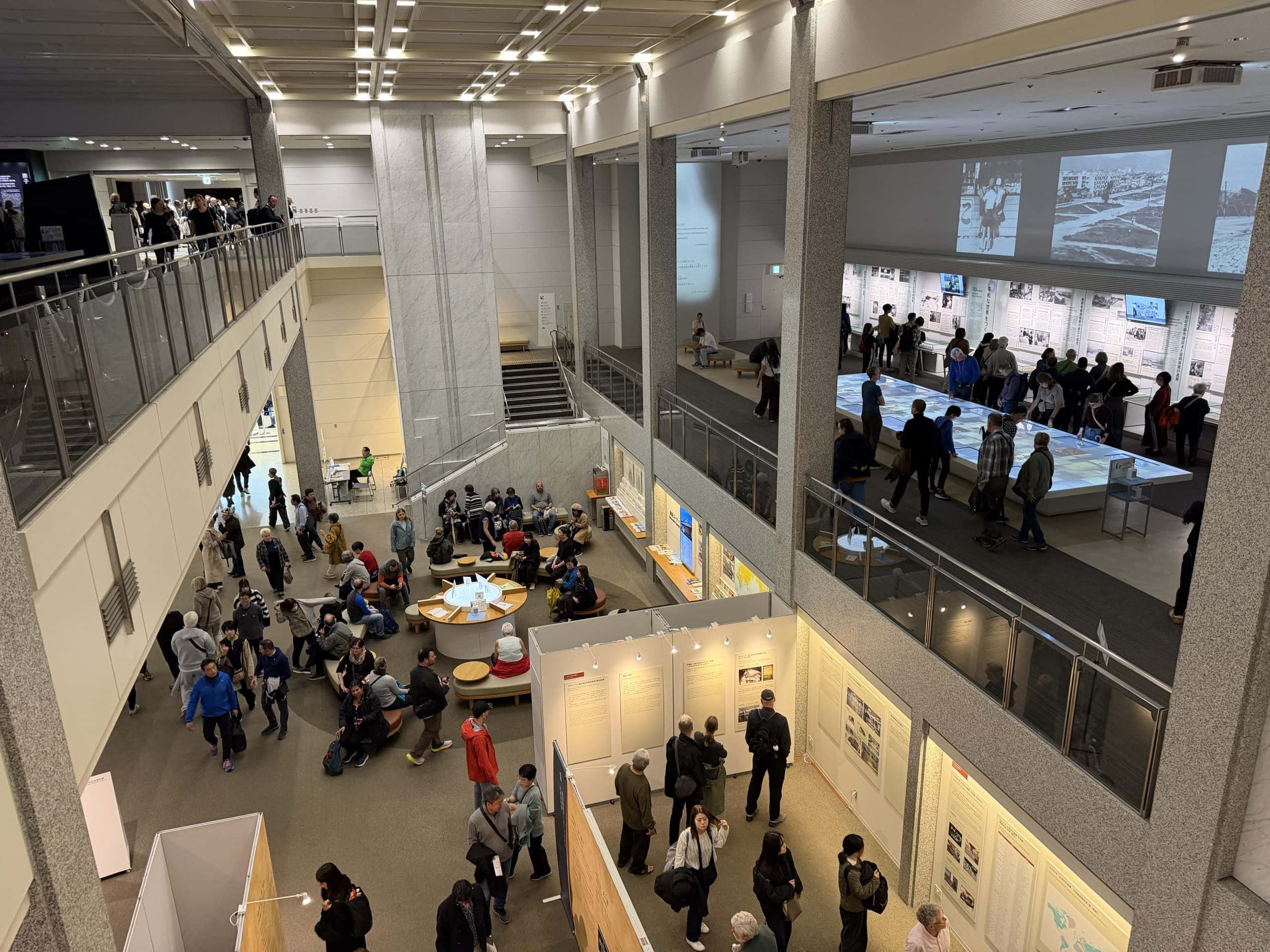
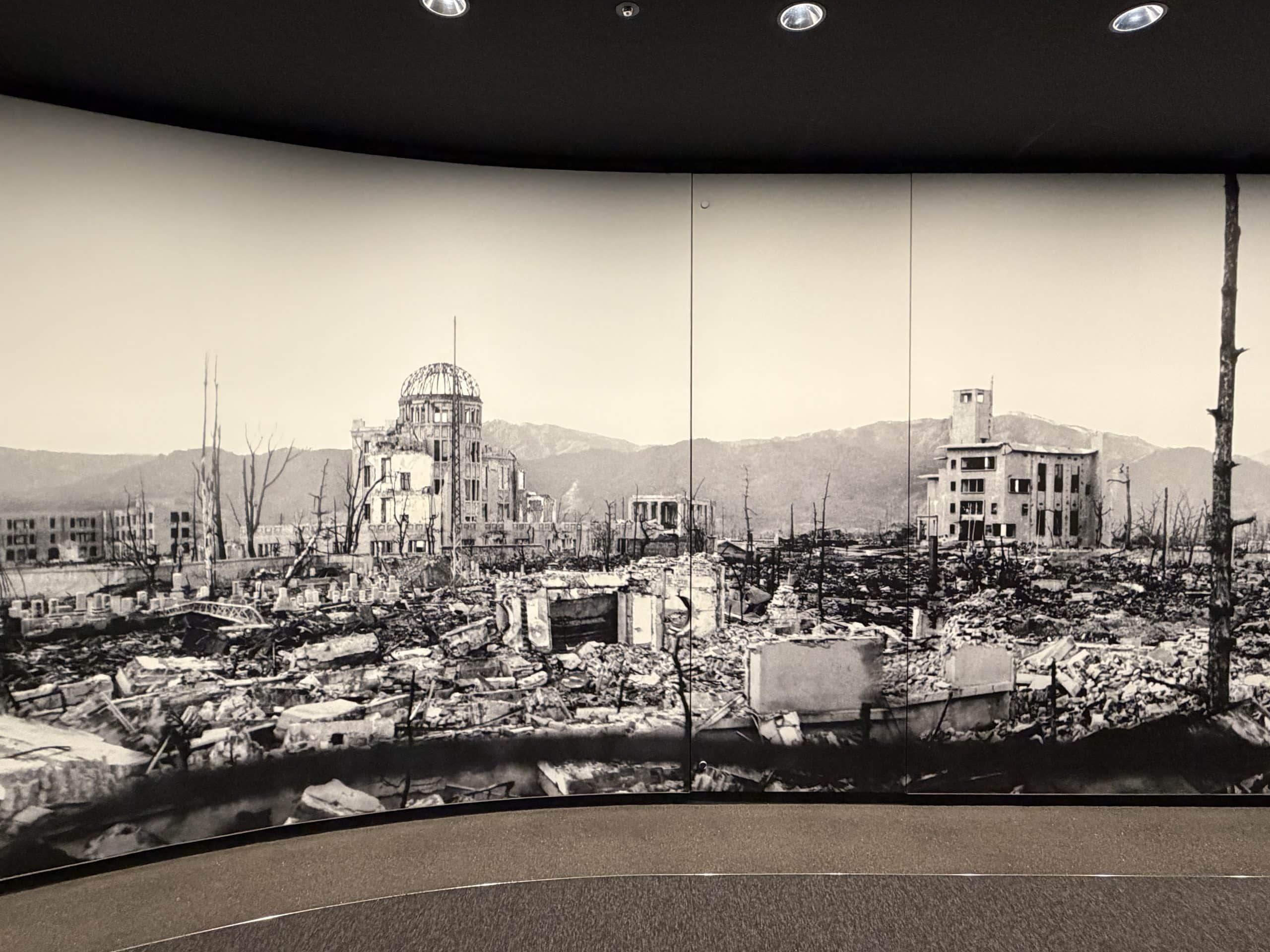
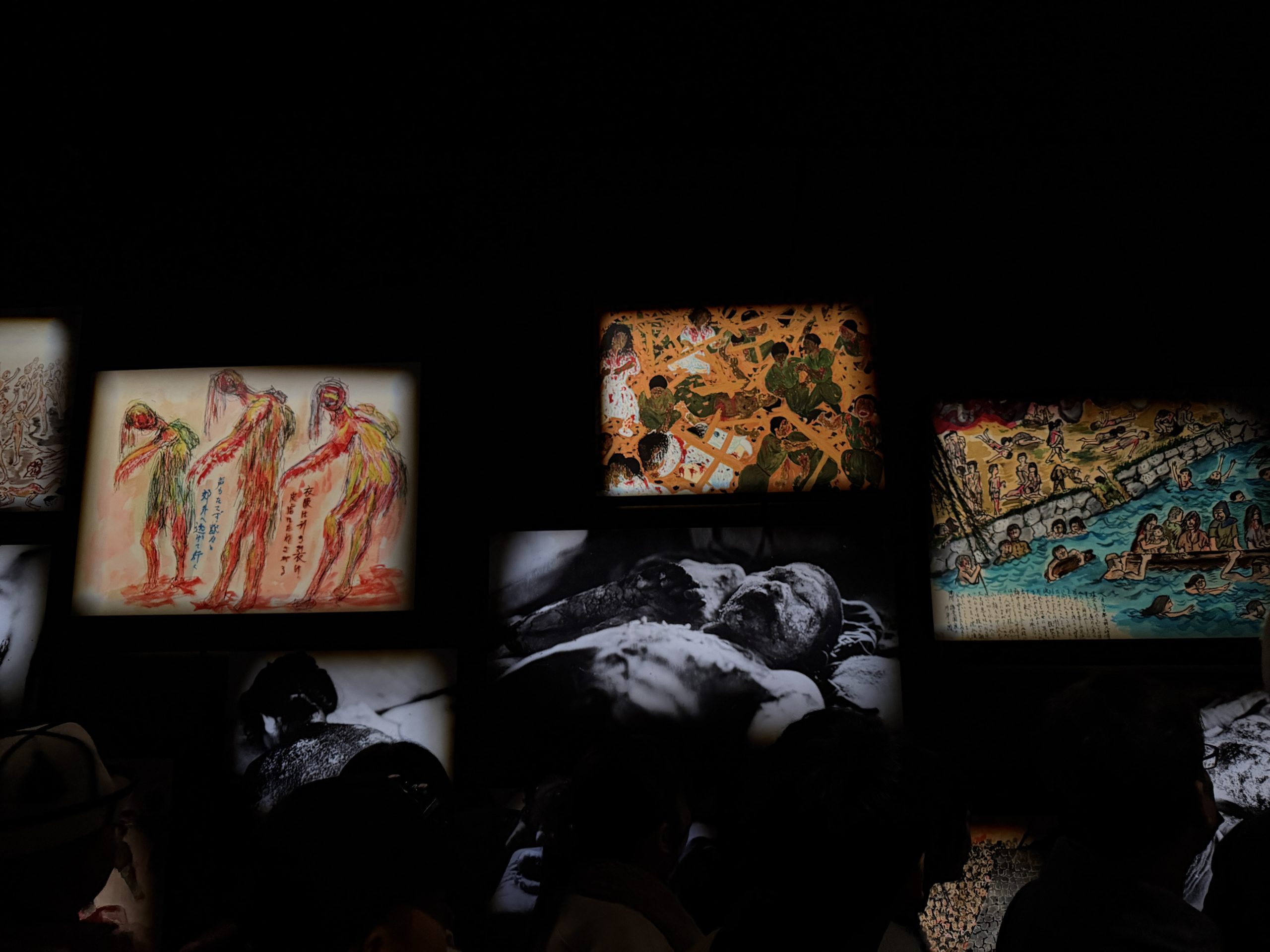
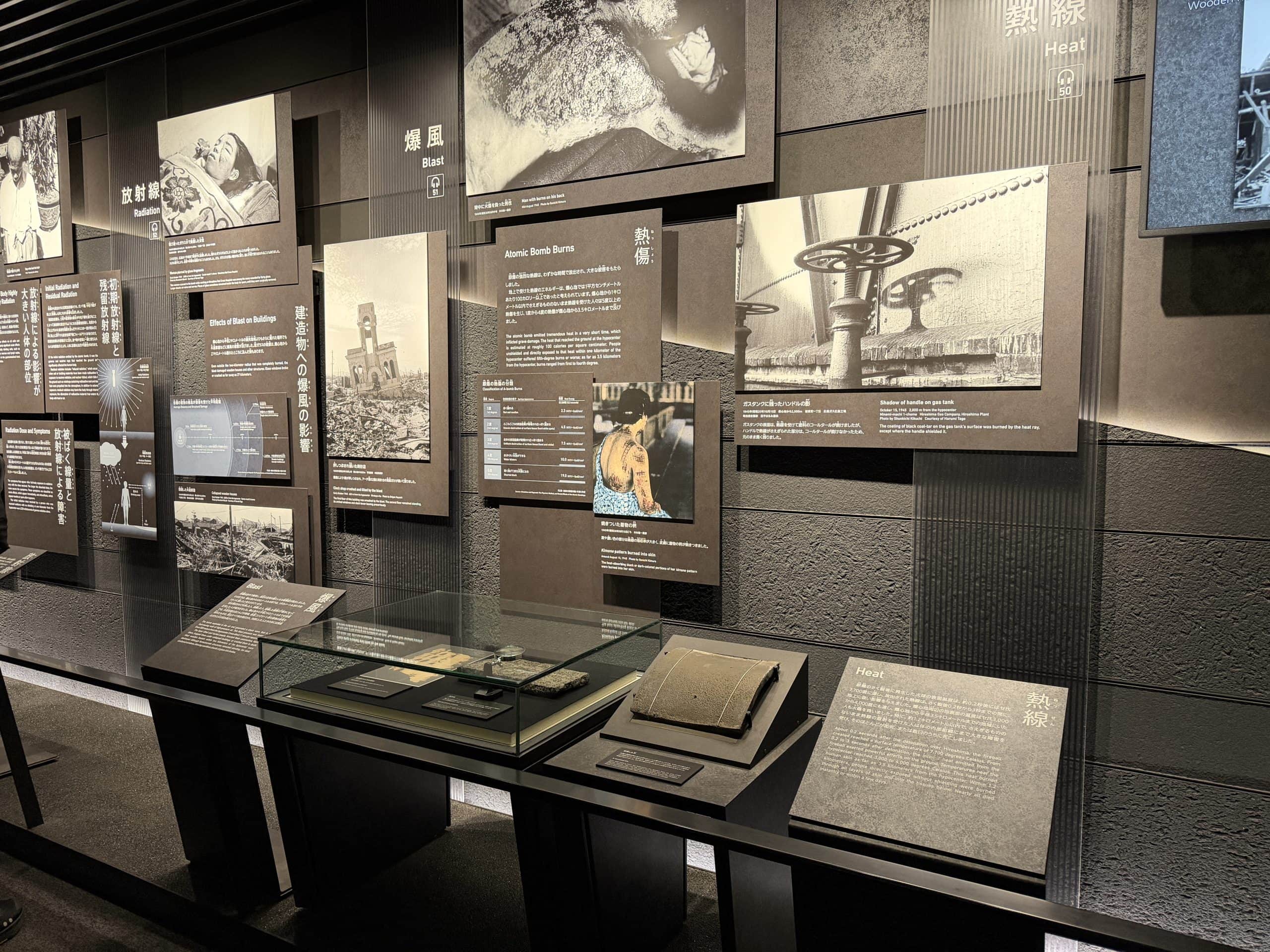
Walking through the museum is a very sobering experience. The exhibits carefully and respectfully explain what happened before, during, and after the bombing. Photographs show the city remains in ruins. Difficult displays show the physical injuries suffered by survivors, such as burns, radiation sickness, and long-term health effects that continued for decades.
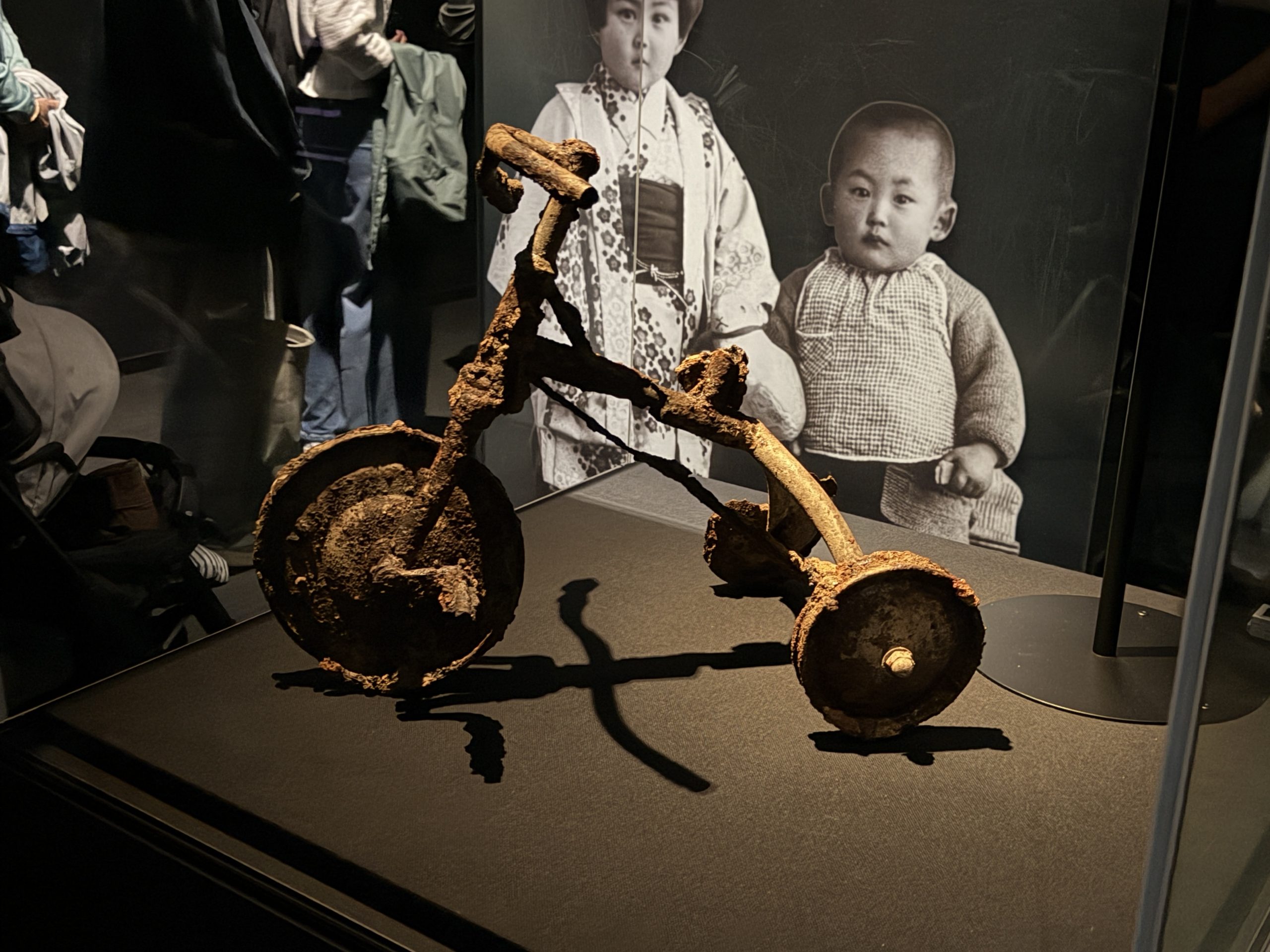
We felt that one of the most heartbreaking aspects of the museum is the personal items on display. Melted glass bottles, tattered clothing, watches stopped at the exact moment of the explosion, and school belongings all tell stories of ordinary lives suddenly and violently interrupted. These objects make the scale of the tragedy painfully real.
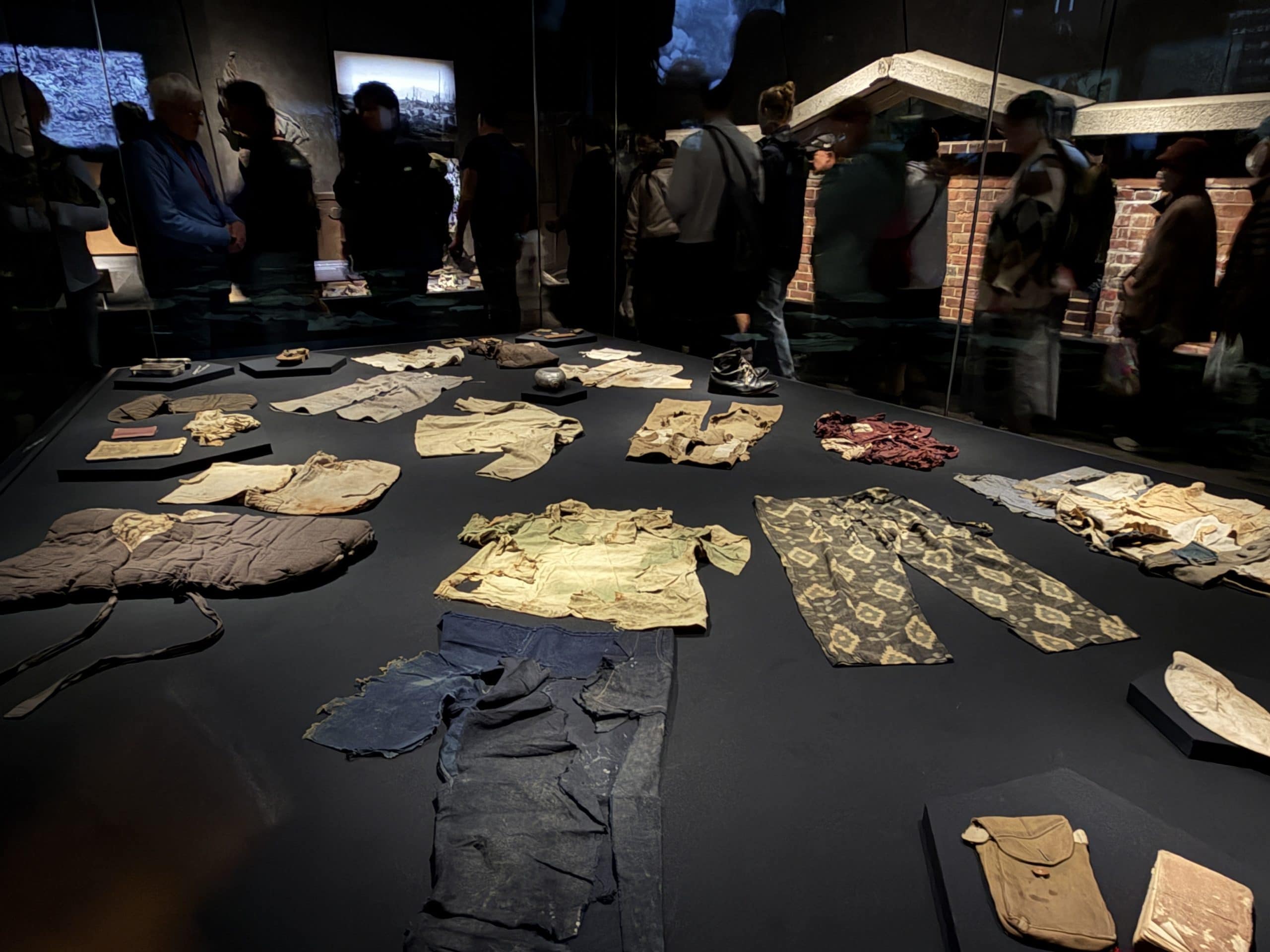
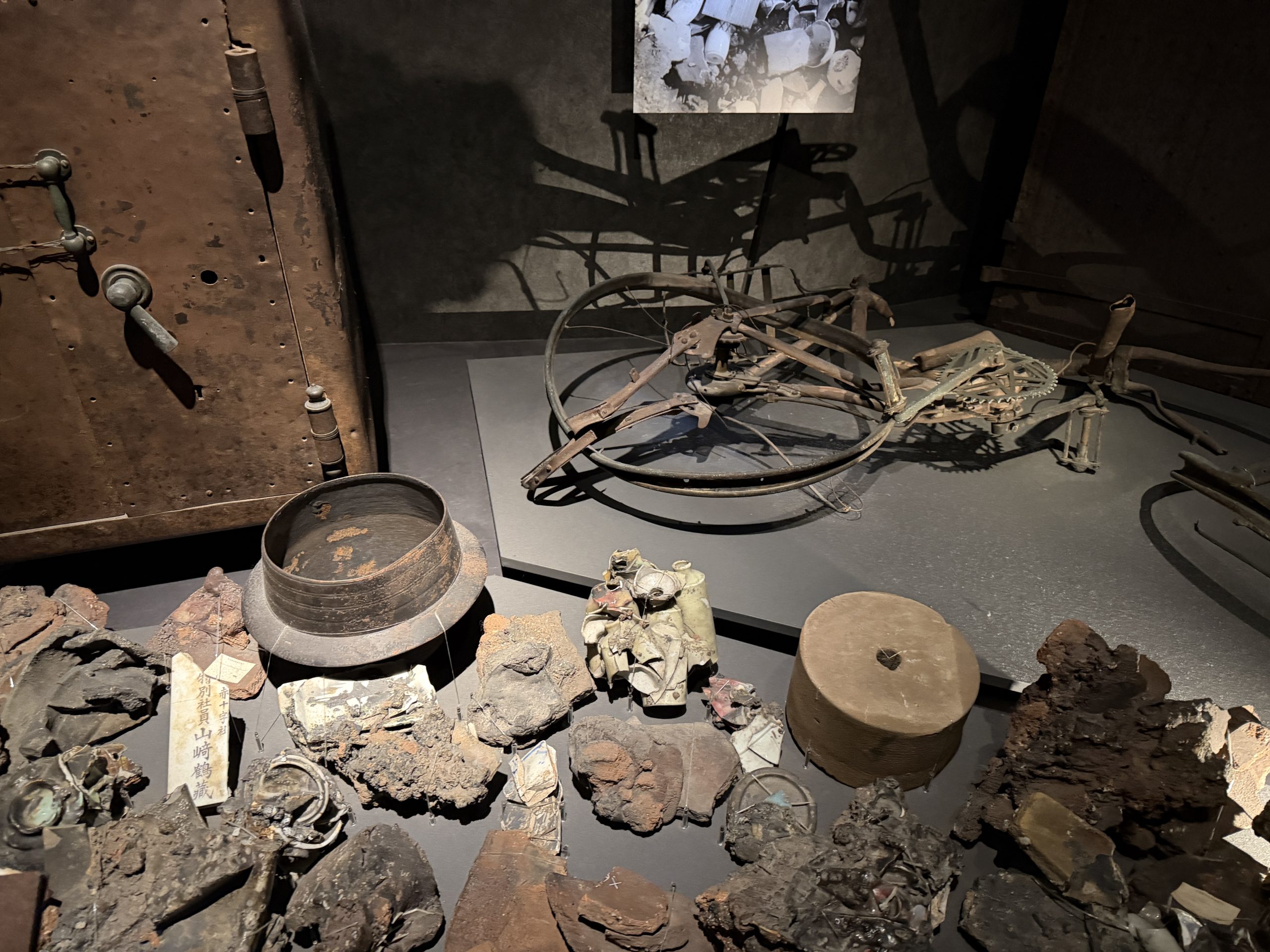
Among the most well-known stories shared in the museum is that of Sadako Sasaki. She was just two years old on the day of the bombing and initially appeared to survive unharmed. Years later, she developed leukemia as a result of radiation exposure. When she was in the hospital, Sadako began folding paper cranes, inspired by the Japanese legend that folding 1,000 cranes would grant a wish. Her wish was not only to live, but for world peace.
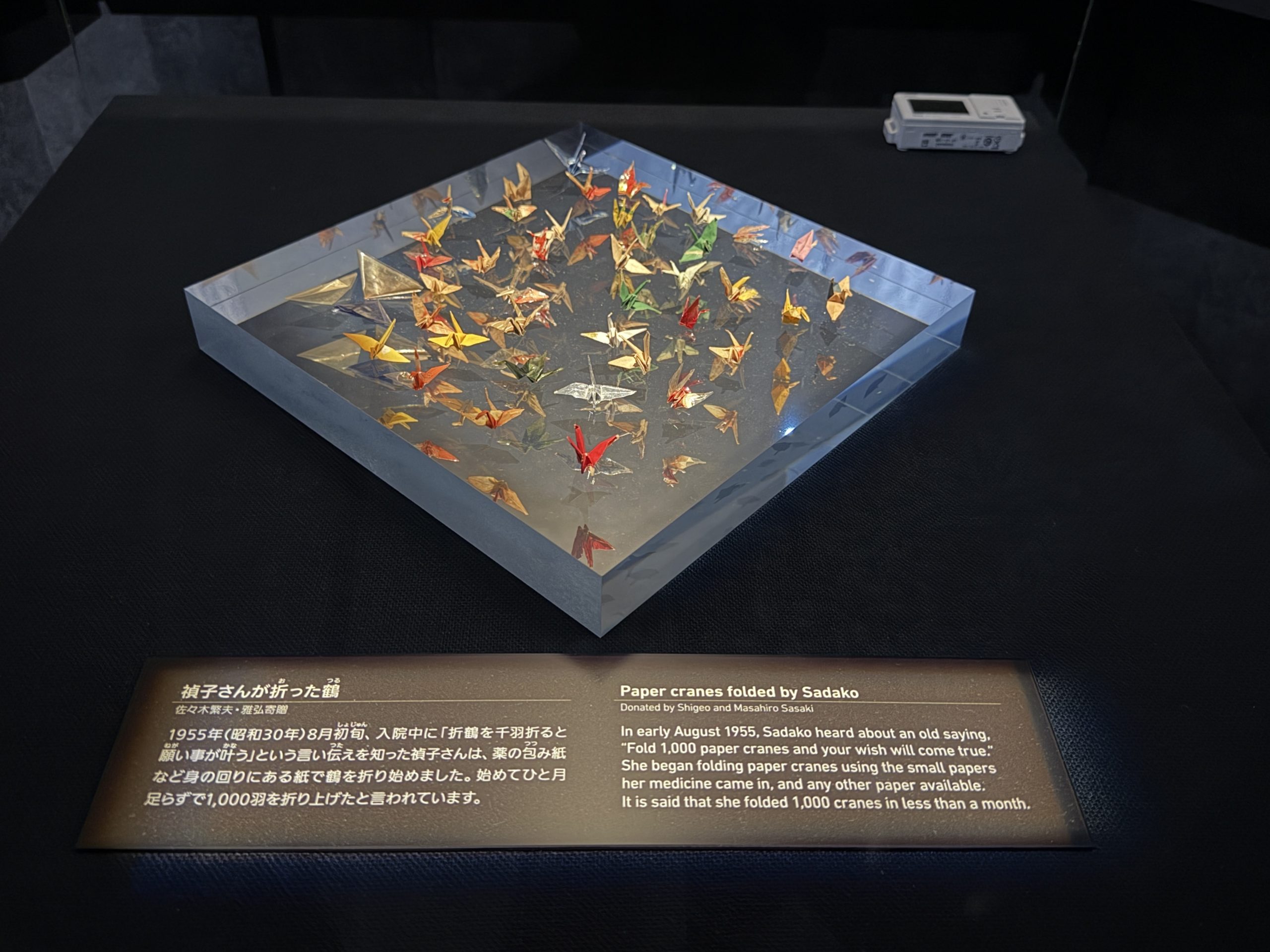
Sadako passed away at the age of 12, but her story has become a global symbol of hope. Her legacy is honoured not only in Hiroshima but around the world, through the continued folding of paper cranes as a message of peace. We were even given a lovely paper crane by our guide at the end of our tour.
The museum also includes a section dedicated to global efforts to eliminate nuclear weapons. These exhibits are difficult to view, but they are important. Hiroshima’s purpose with this museum is not to shock people but to educate them. Understanding this history is uncomfortable, but profoundly important.
Don’t Have Time To Read This Now? Pin It For Later:
Walk Through the Hiroshima Peace Memorial Park
After leaving the museum, we felt a kind of release from the heaviness as we stepped into the Peace Memorial Park, which is designed for reflection. Once a bustling part of the city, this area was destroyed by the blast and later transformed into a peaceful park dedicated to remembrance.
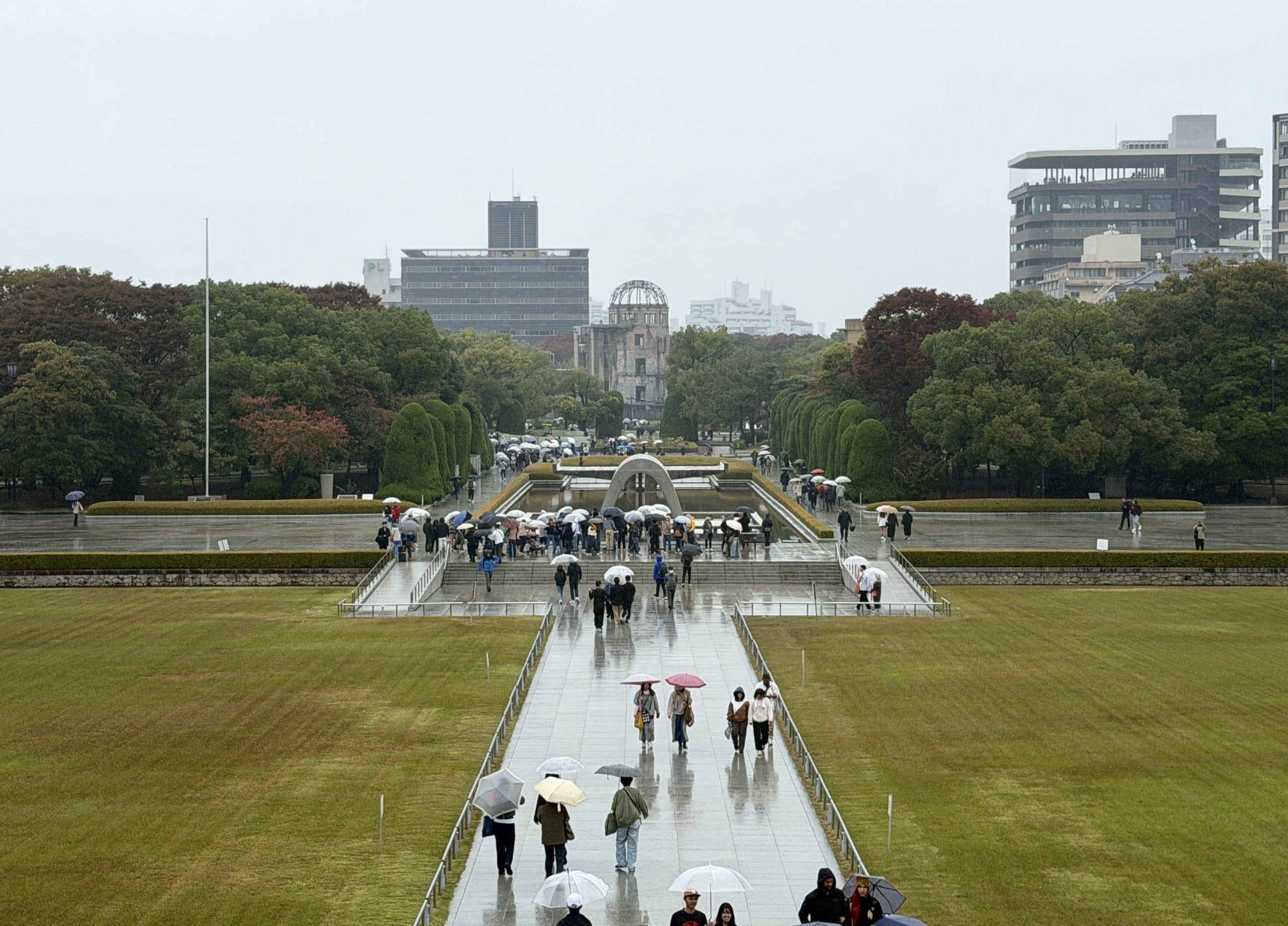
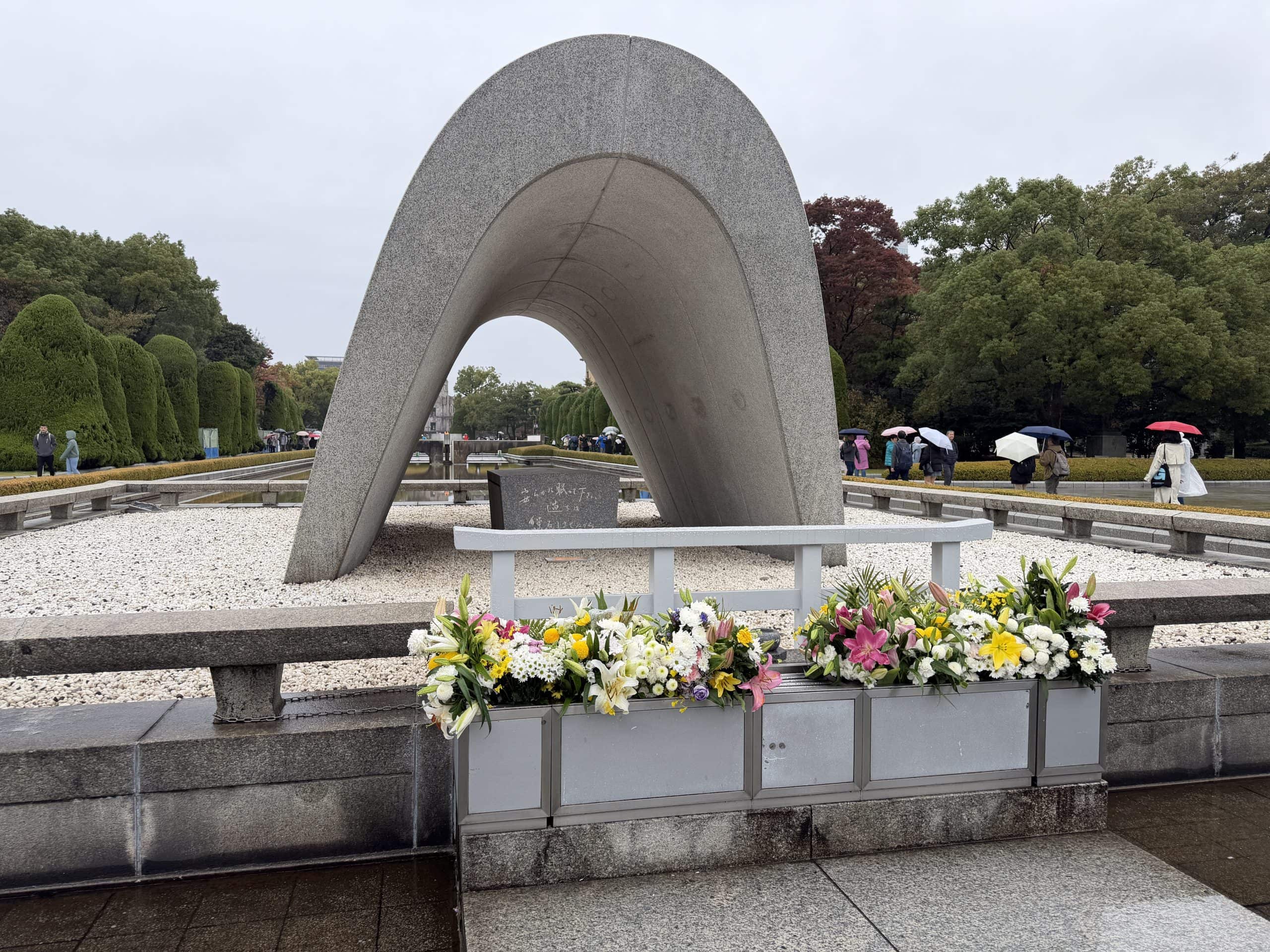
One of the most striking features is the Memorial Cenotaph, a simple structure that sits at one end of a large rectangular pool. Inside the stone chamber beneath it is a register listing the names of all known victims of the bombing. Unfortunately, it continues to be updated as more names are identified. The inscription reads, “Let all the souls here rest in peace, for we shall not repeat the evil.”
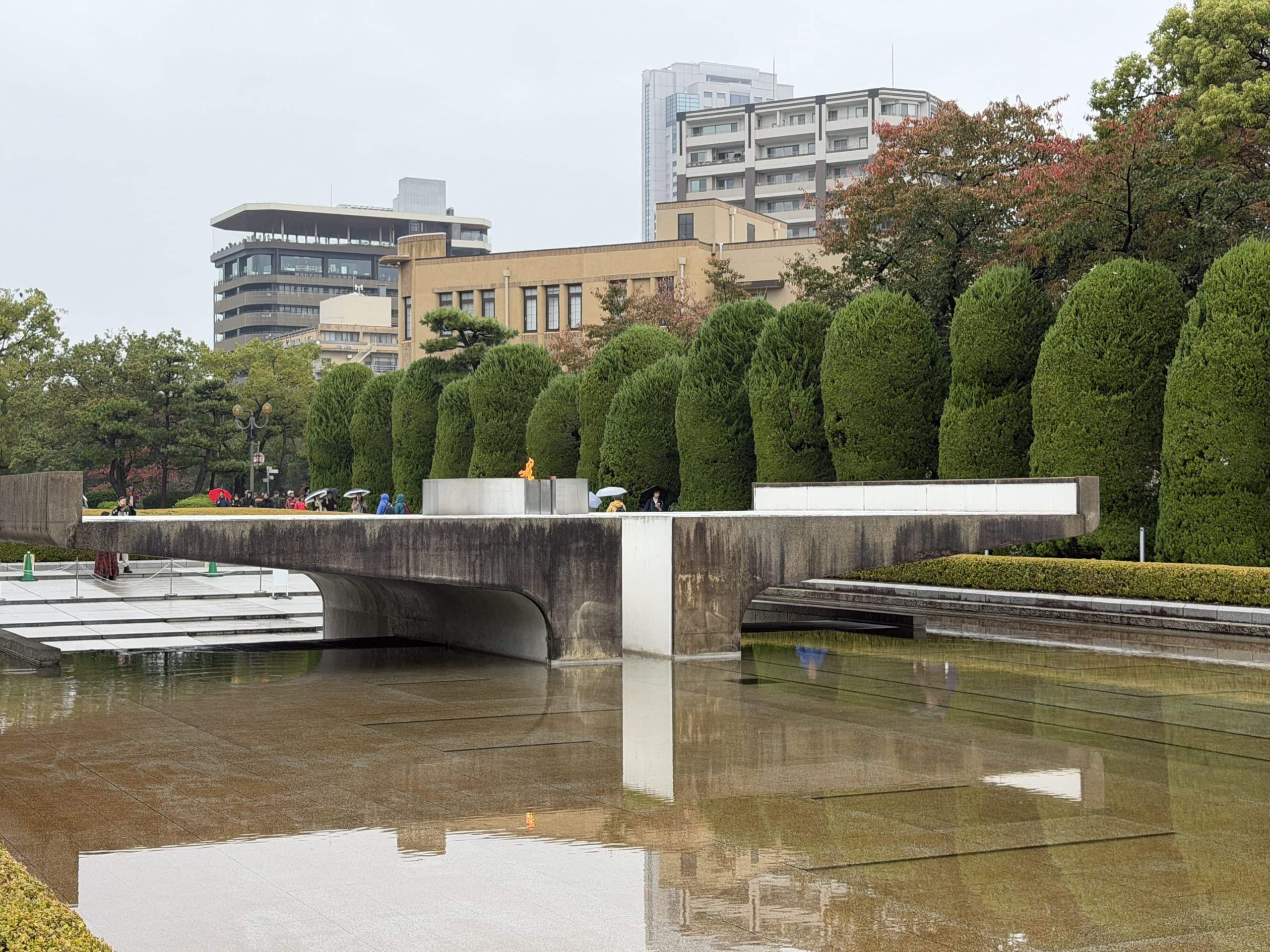
Nearby, across the long reflecting pool, burns the Flame of Peace. This flame will continue to burn until all nuclear weapons have been eliminated from the world, a subtle but powerful statement of hope.
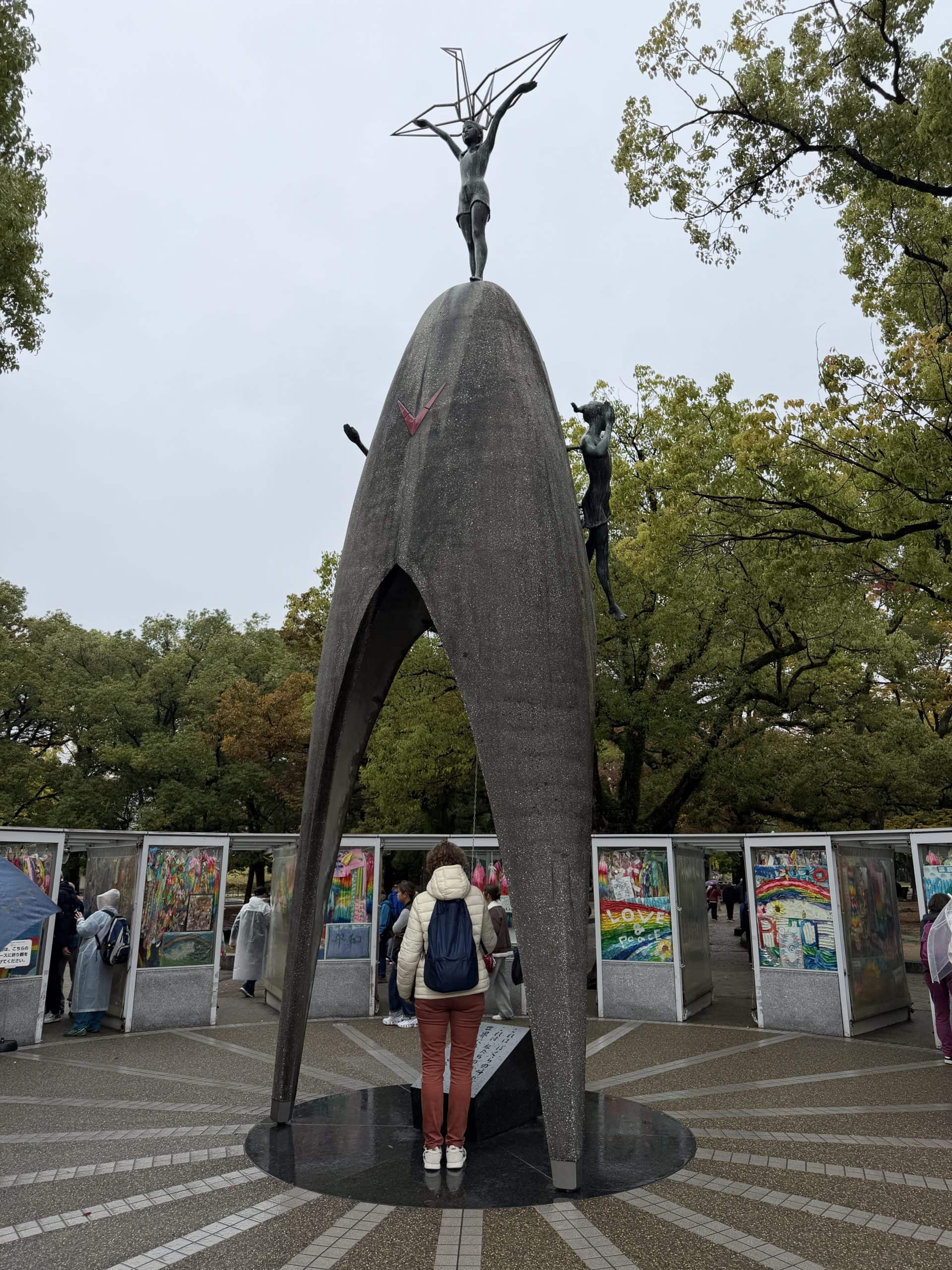
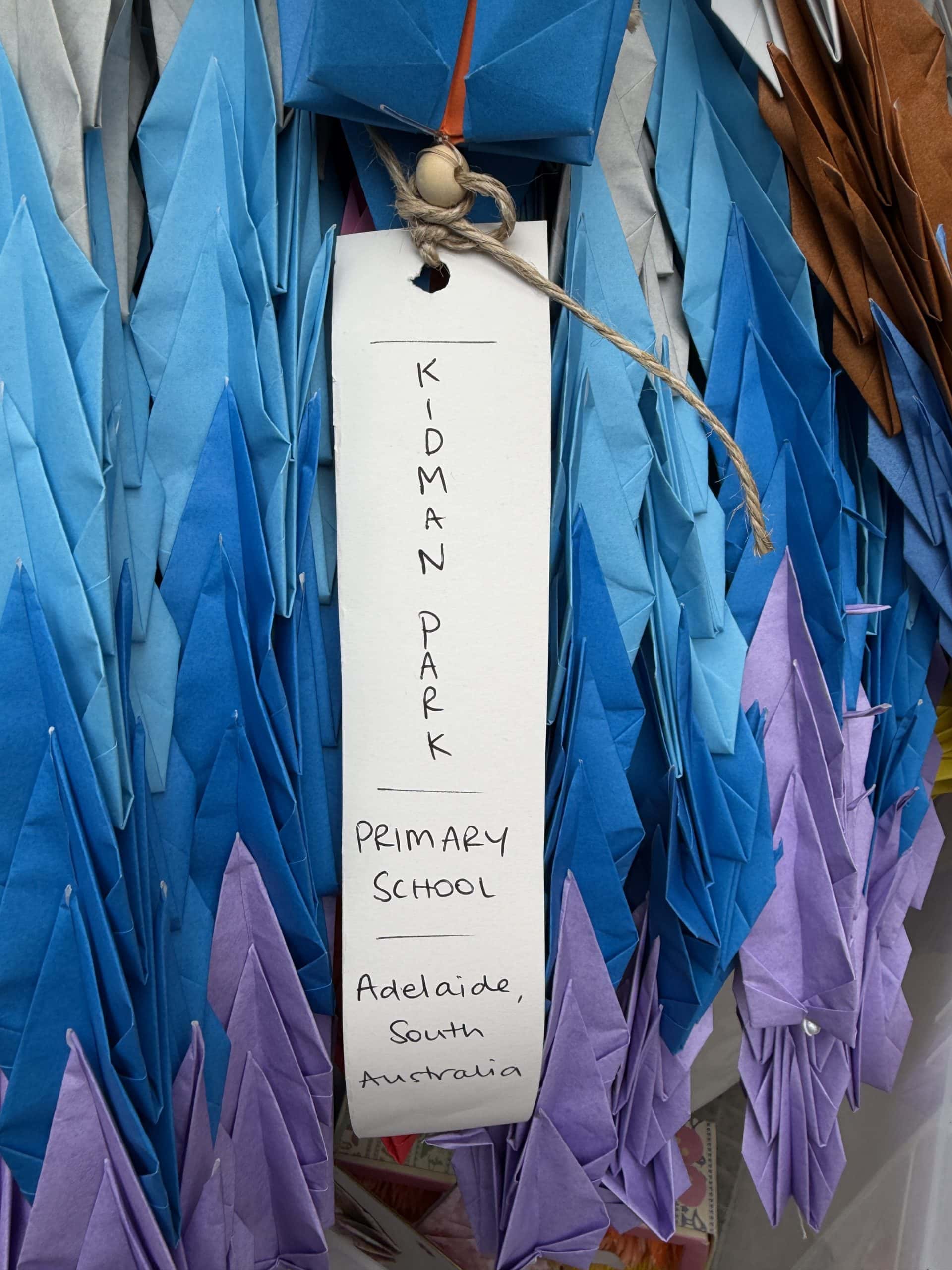
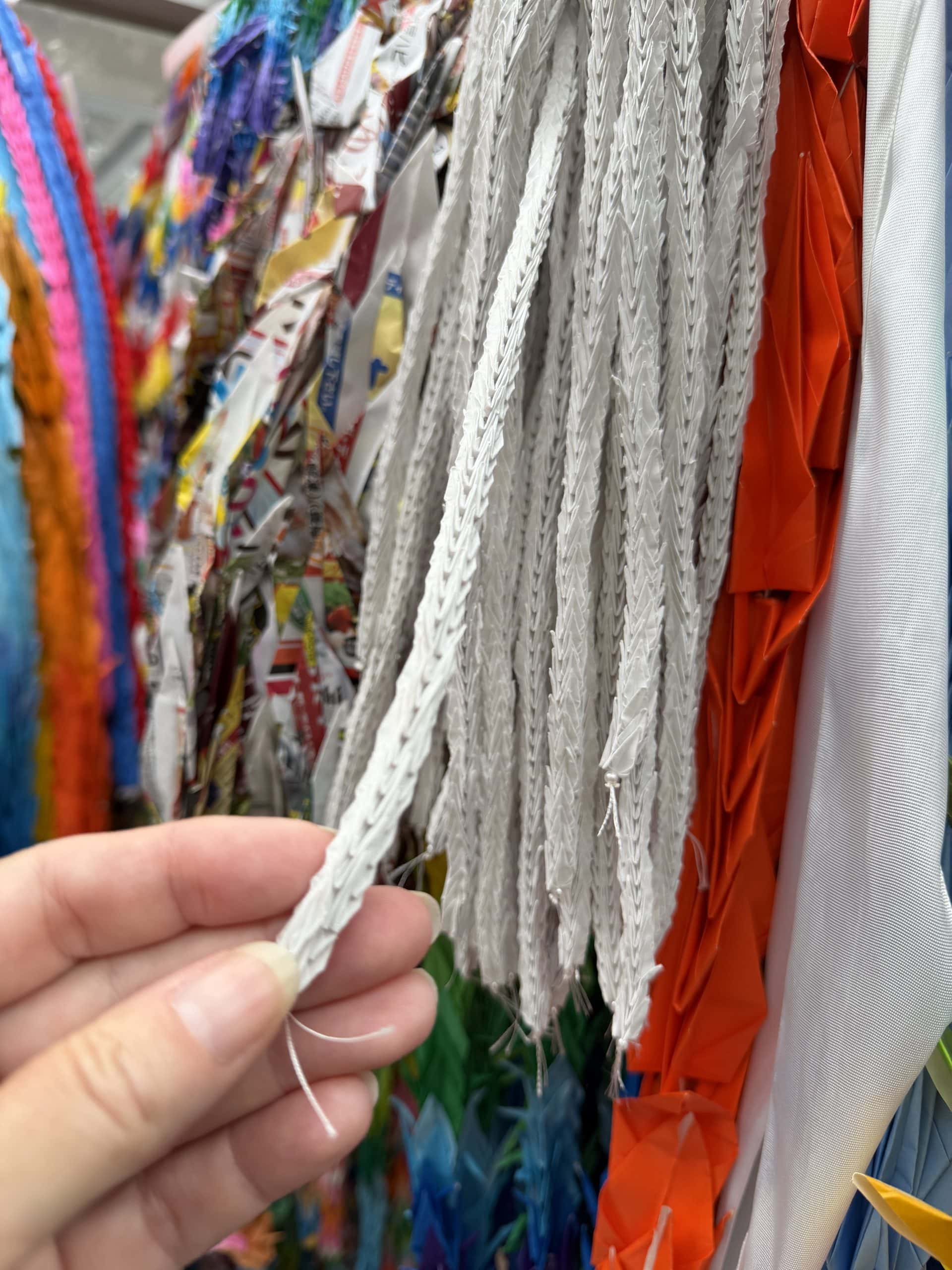
The Children’s Peace Memorial is dedicated to Sadako Sasaki and all child victims of the bombing. Funded by donations from children, the memorial is surrounded by glass cases filled with thousands and thousands of origami paper cranes sent by schools and individuals from around the world.
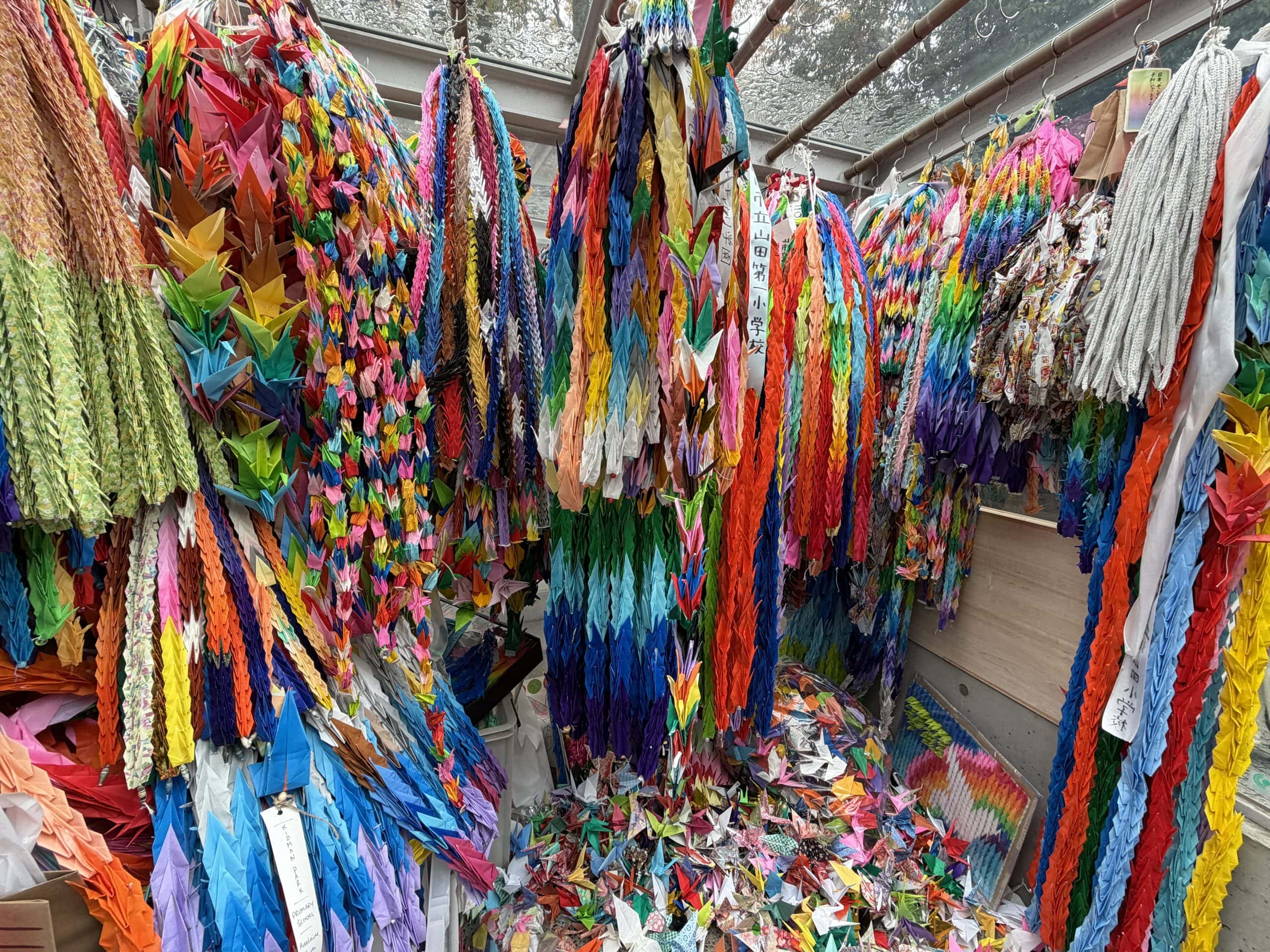
When the cases become full, the cranes are recycled and made into bookmarks, available from a small metal box nearby. Our guide gave us each one and suggested that this was a beautiful way for us to carry the message of peace with us.
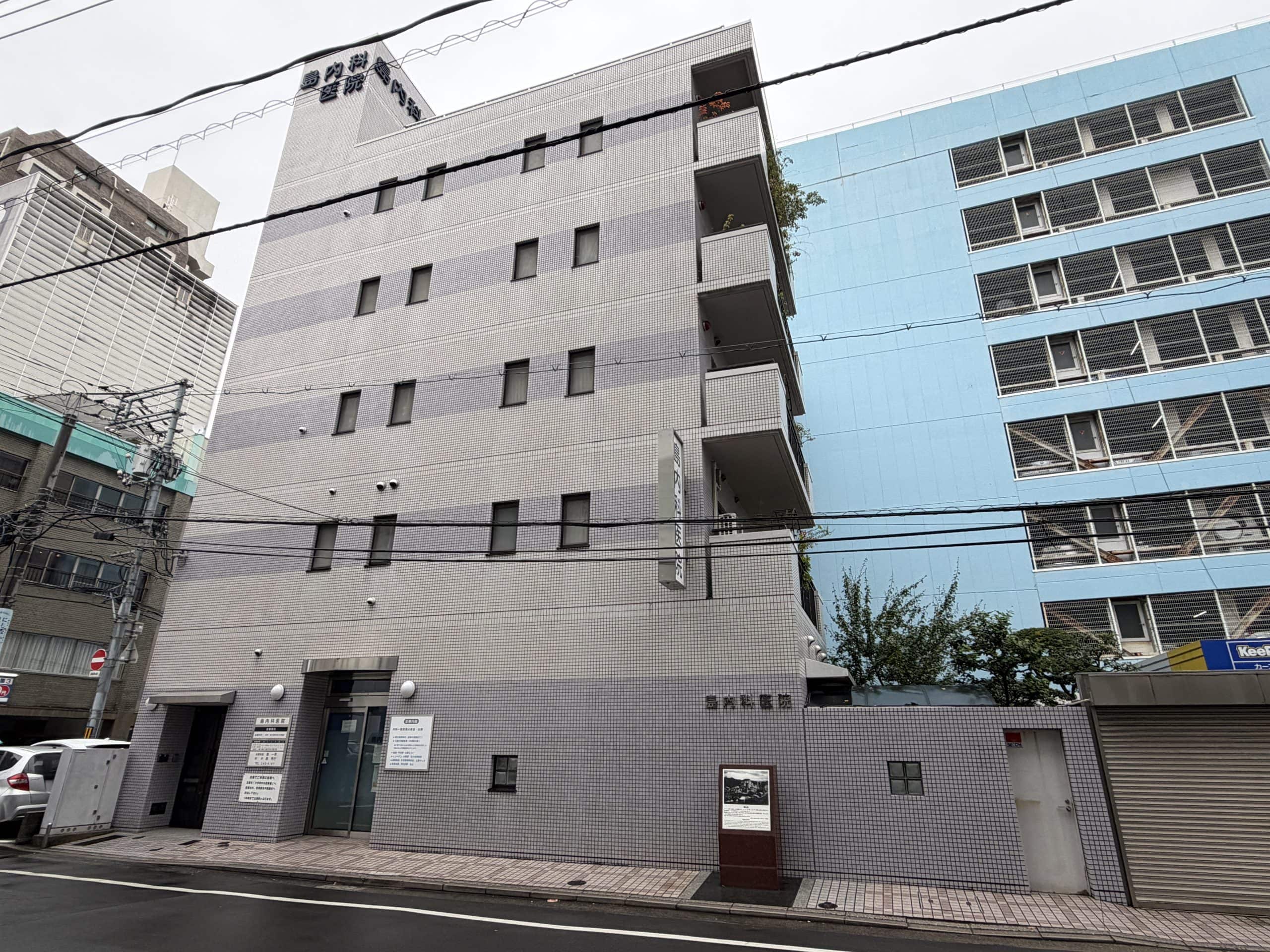
Another significant location just beside the park is the Hypocentre, the exact point beneath where the bomb exploded. It was located above a hospital, which was completely destroyed by the blast. Today, the hospital has been rebuilt and remains in use, with only a small plaque marking the historical significance of the site. The quietness of this location and the fact that they have carried on with providing care as they did previously is deeply moving.
View The Hiroshima Peace Memorial
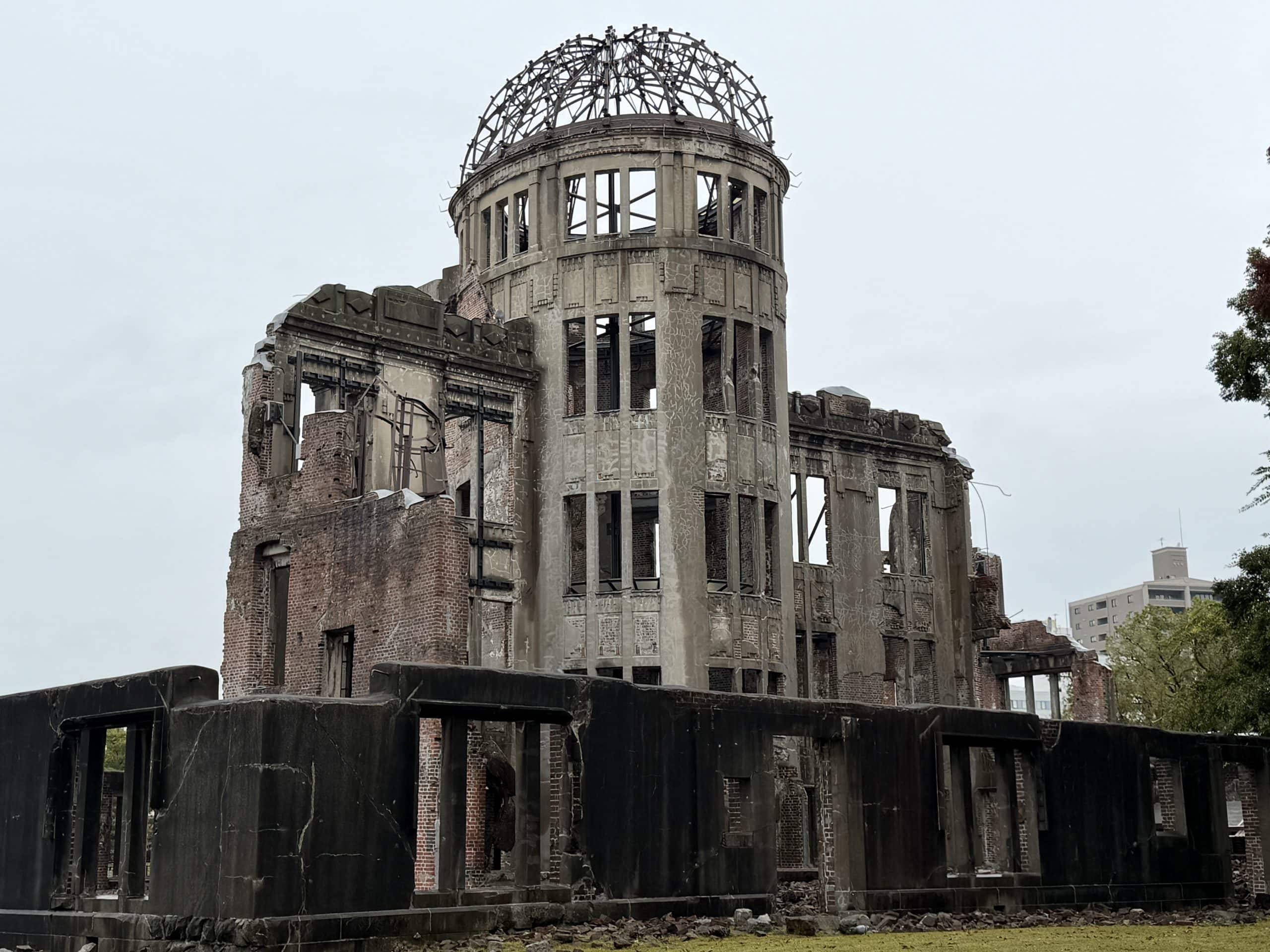
The Peace Memorial, also known as the A-Bomb Dome, stands near the river and is one of Hiroshima’s most recognizable landmarks. Once an exhibition hall, this European-style building was 150 metres from the bomb impact. Everyone inside was killed instantly, yet the skeletal framework of the building remained standing.
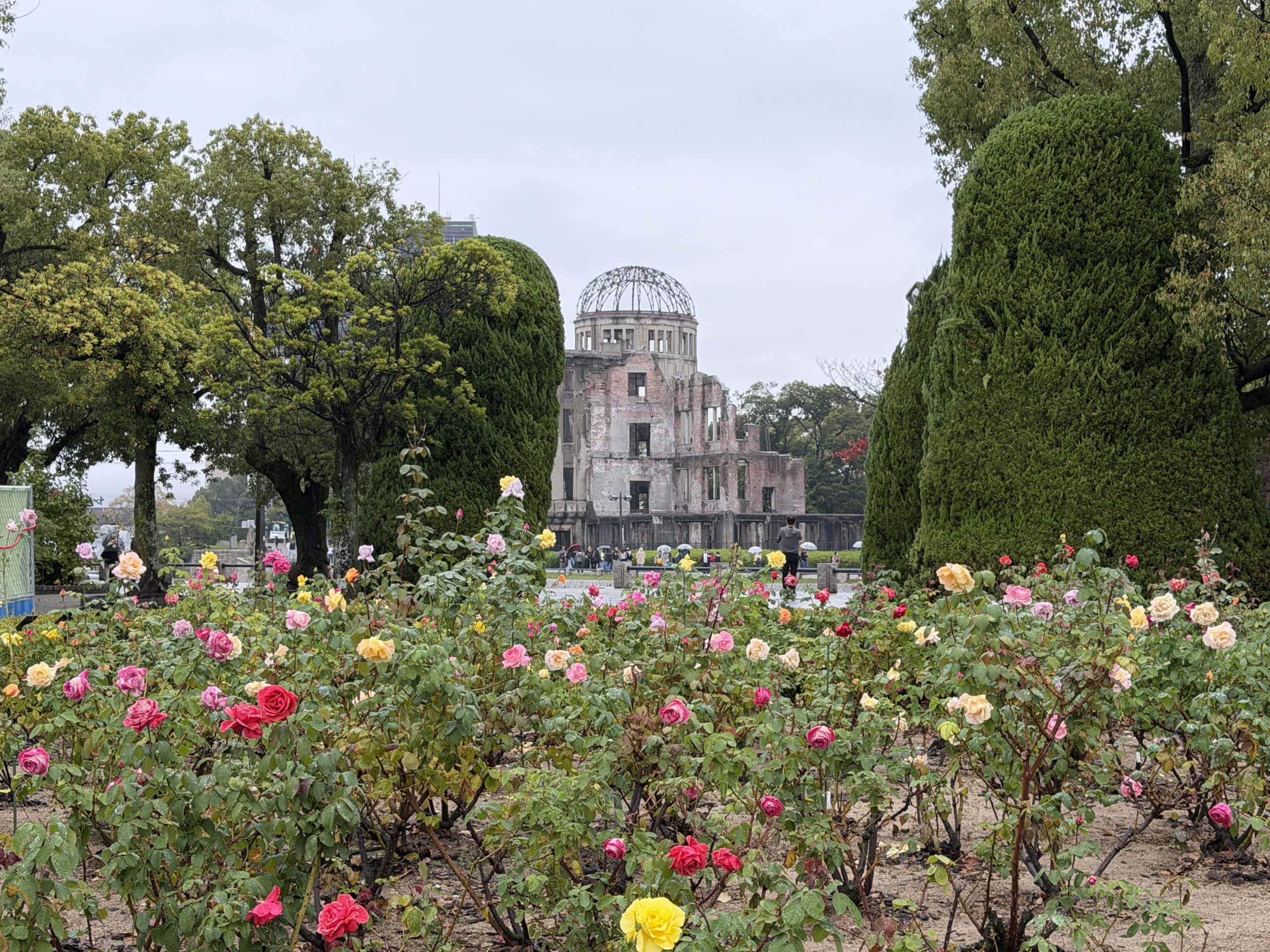
Preserved exactly as it was left after the bombing, the A-Bomb Dome is now an UNESCO World Heritage Site. It serves as a clear reminder of the destruction that occurred, especially as modern buildings have been built around it. Seeing the dome surrounded by a bustling city reinforces the message that Hiroshima has chosen to keep this structure standing in order to remember exactly what happened here.
✅ If you only have a half day to see Hiroshima, then this 5 star tour is a good option to book. It covers the major sites in the city with a professional guide who can fully share the history with you.
Try Hiroshima-Style Okonomiyaki
After a heavy and emotional morning, enjoying a local lunch felt like a welcome change. Hiroshima is famous for its own version of okonomiyaki, and with more than 1,000 restaurants serving it, this is not something we wanted to miss.
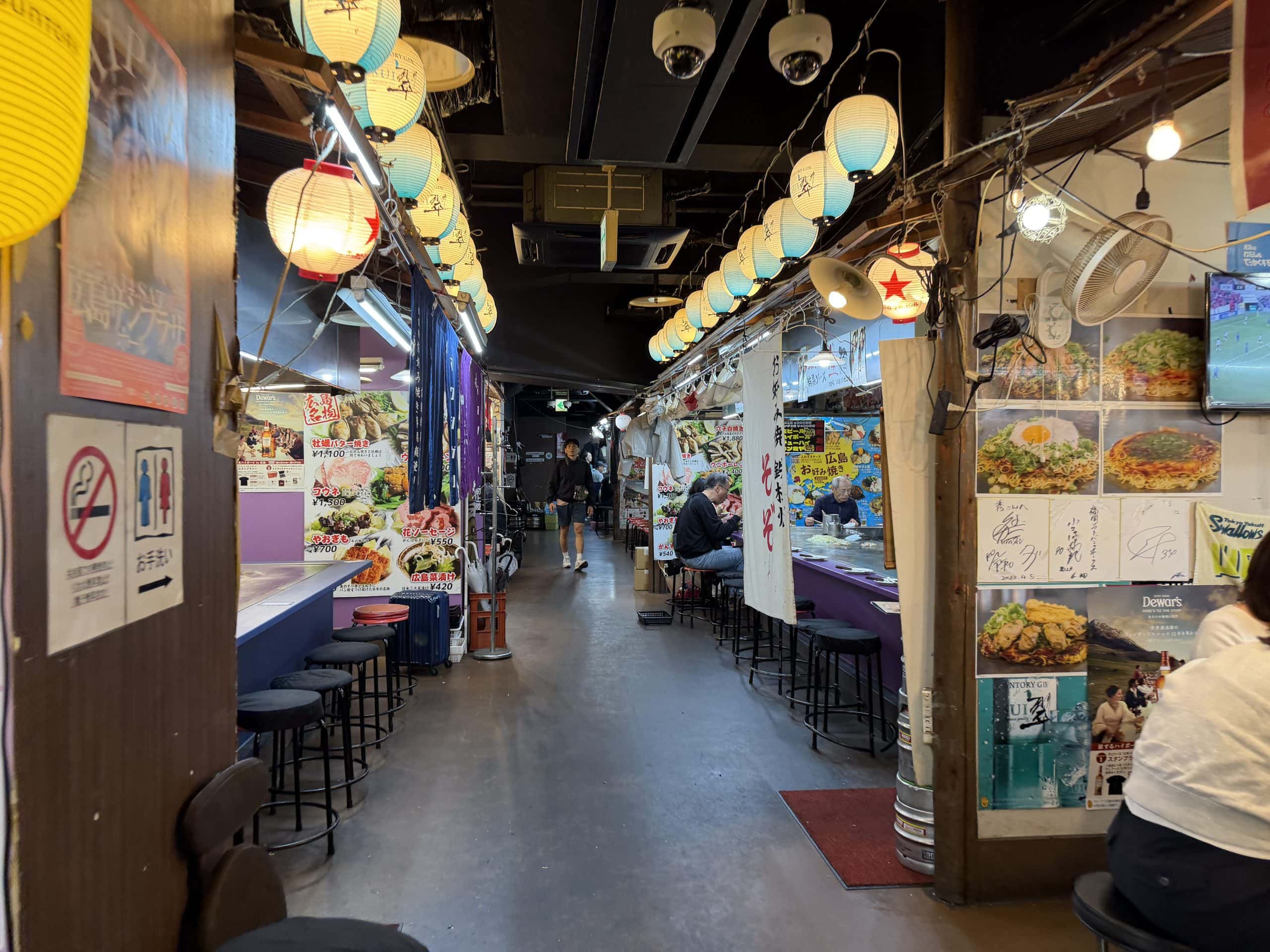
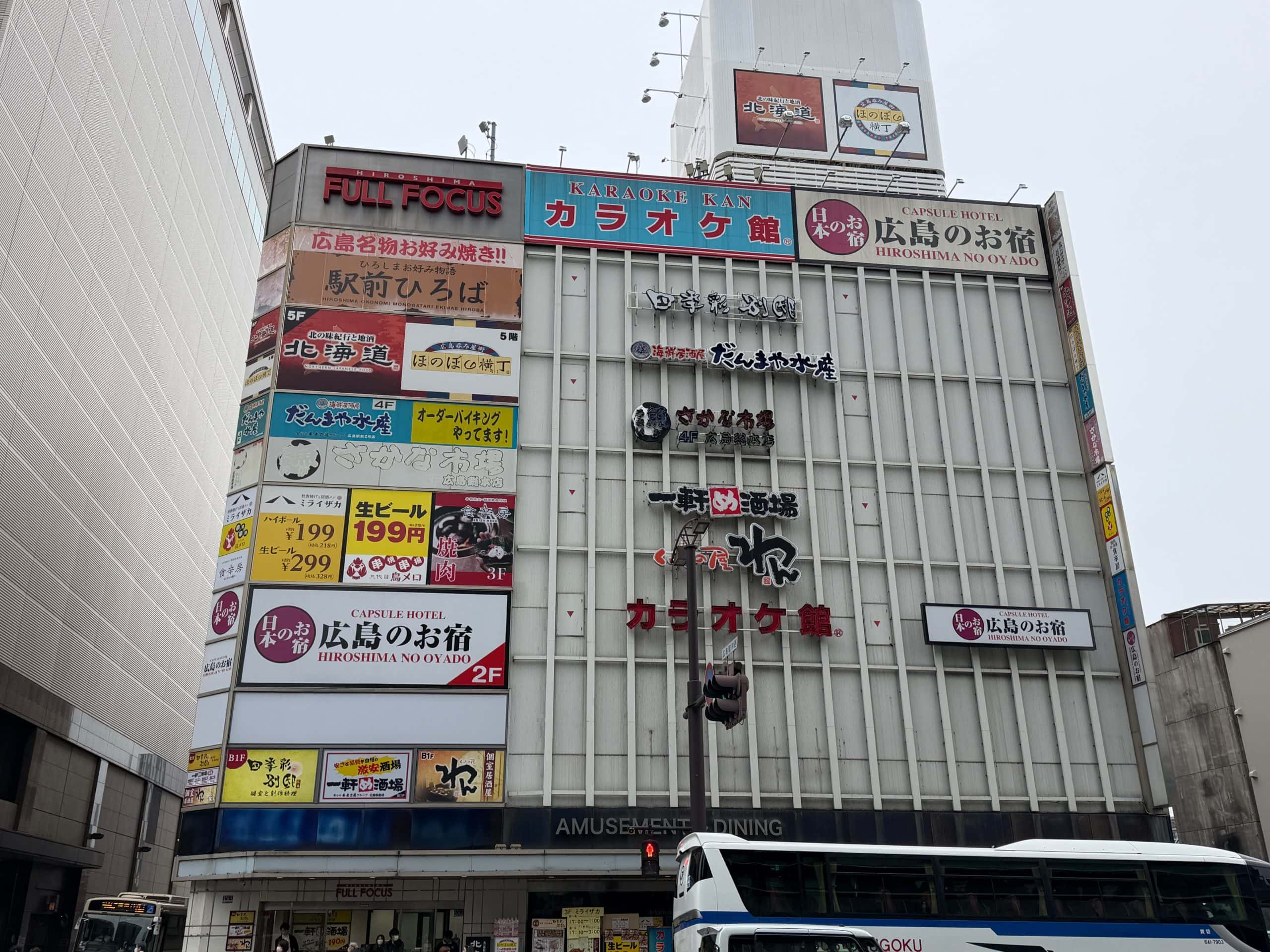
In downtown Hiroshima, near Hiroshima Station, there is a large building labelled Amusement & Dining, where two entire floors are dedicated to okonomiyaki chefs. Each stall has its own grill, and watching the chefs cook is part of the experience.
Our guide brought us to Gomenya, where the chef welcomed us warmly and seemed genuinely delighted that we agreed to eat using chopsticks. He even took a moment to take a photo of us! He was entertaining, friendly, and clearly proud of his craft.
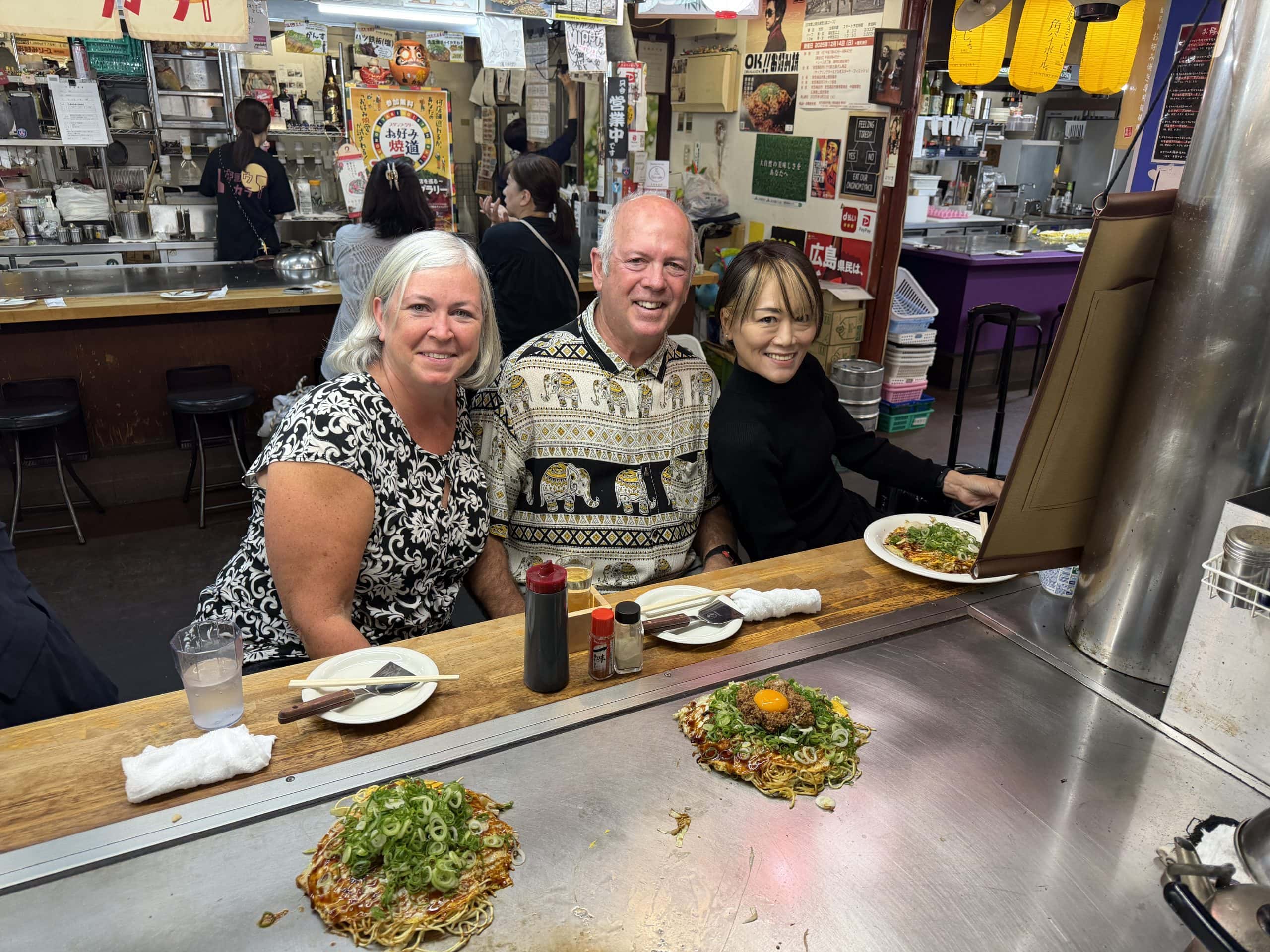
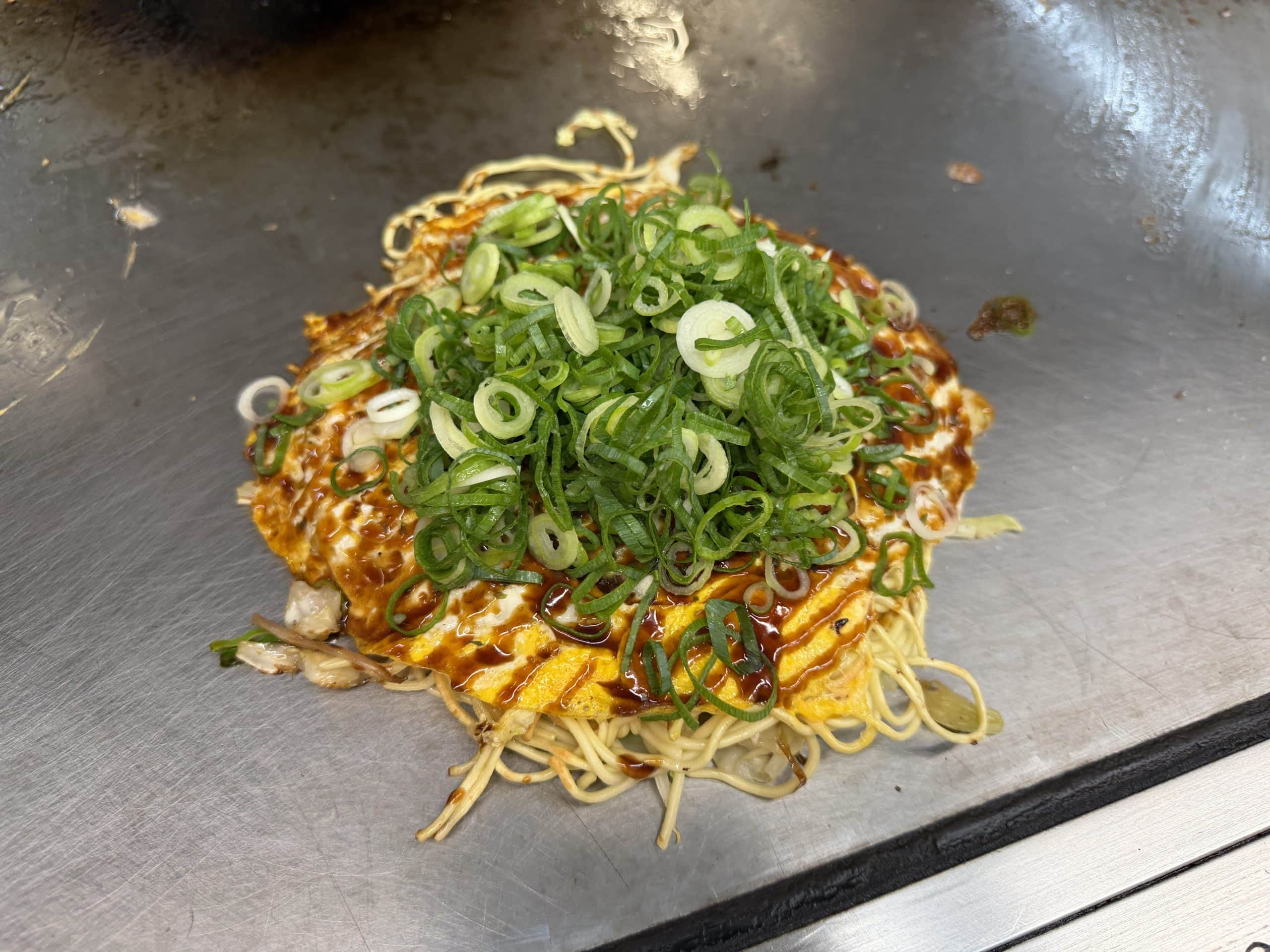
Okonomiyaki in Hiroshima is quite different from the Kansai-style version we had previously enjoyed in Kyoto. Here, the chef starts with a very thin crepe, then layers cabbage, fried noodles, and an egg. Everything is cooked together, topped with a special savoury sauce, and finished with loads of green onions. The dish is served directly on the grill, and you are given a spatula to cut it into sections.
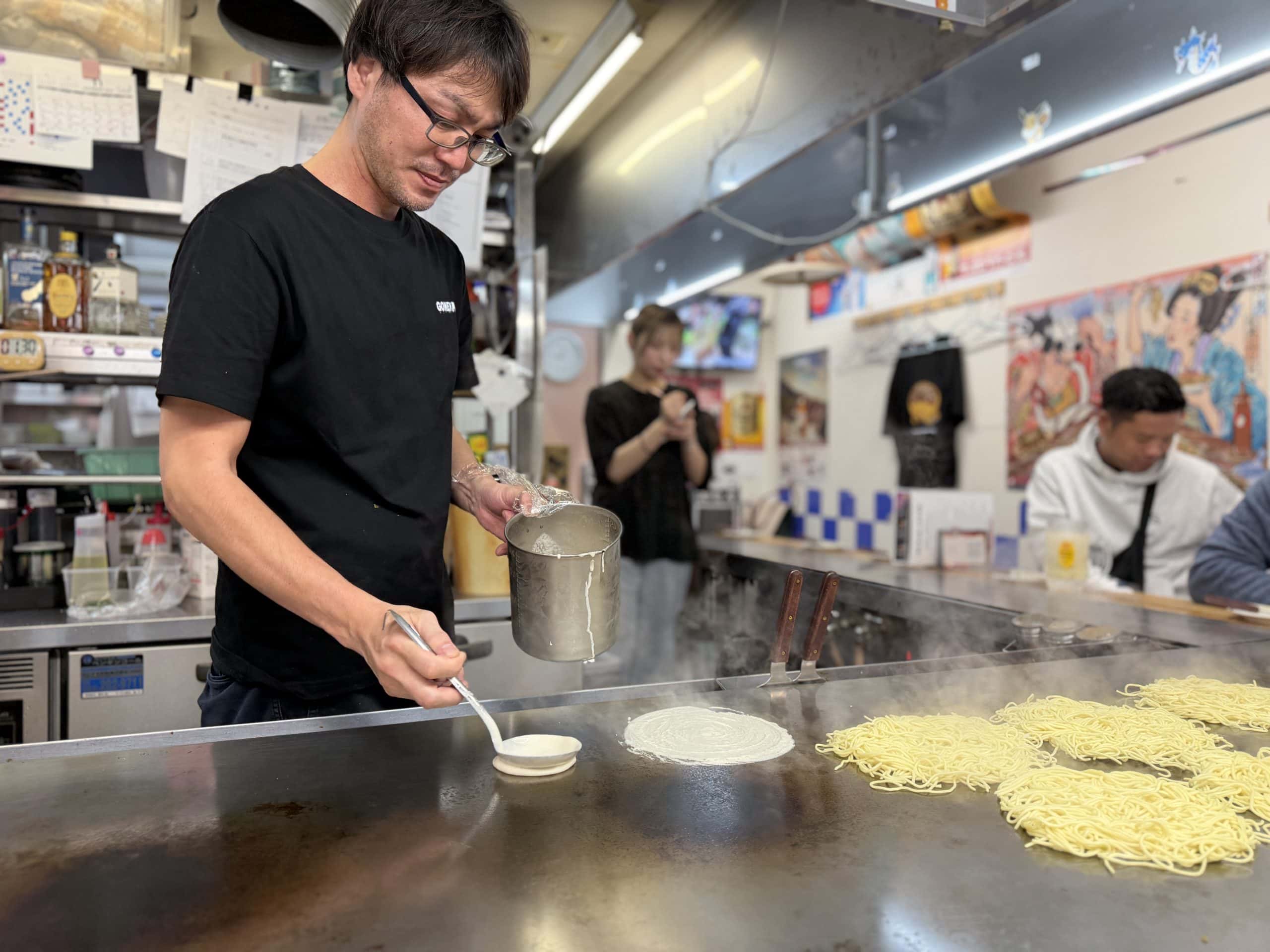
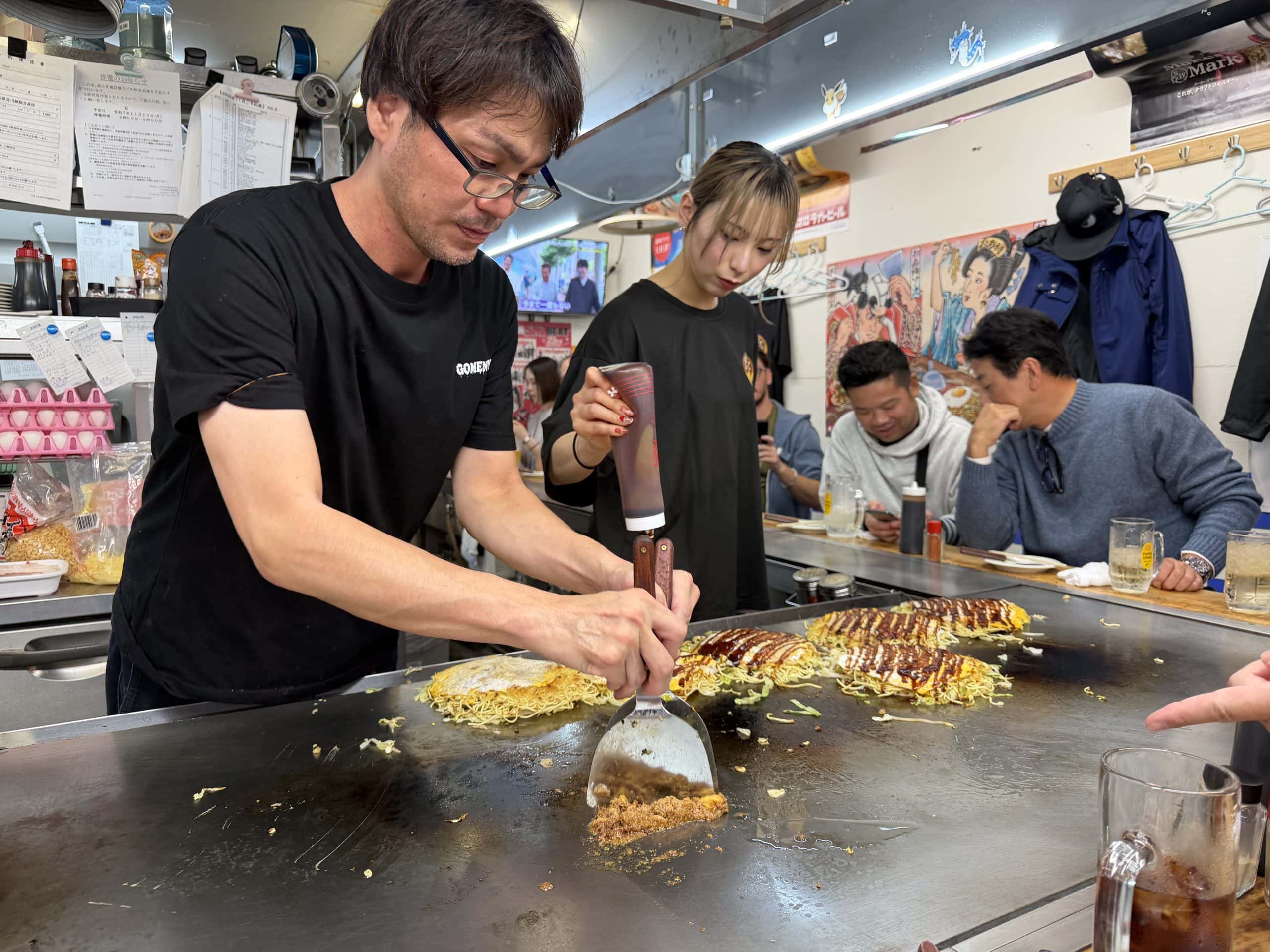
It is very flavourful and quite filling, but a perfect local meal, and should definitely be something you try when in Hiroshima.
✅ Looking to visit Miyajima on a specialized tour that only covers that area? Look at this highly rated tour that covers the island in depth. Spend some dedicated time exploring the hidden gems on Miyajima.
Explore Miyajima Island
To lighten the day, we would recommend visiting Miyajima Island, a lovely location just outside Hiroshima. Reaching the island is easy, involving a short train ride followed by a ferry.
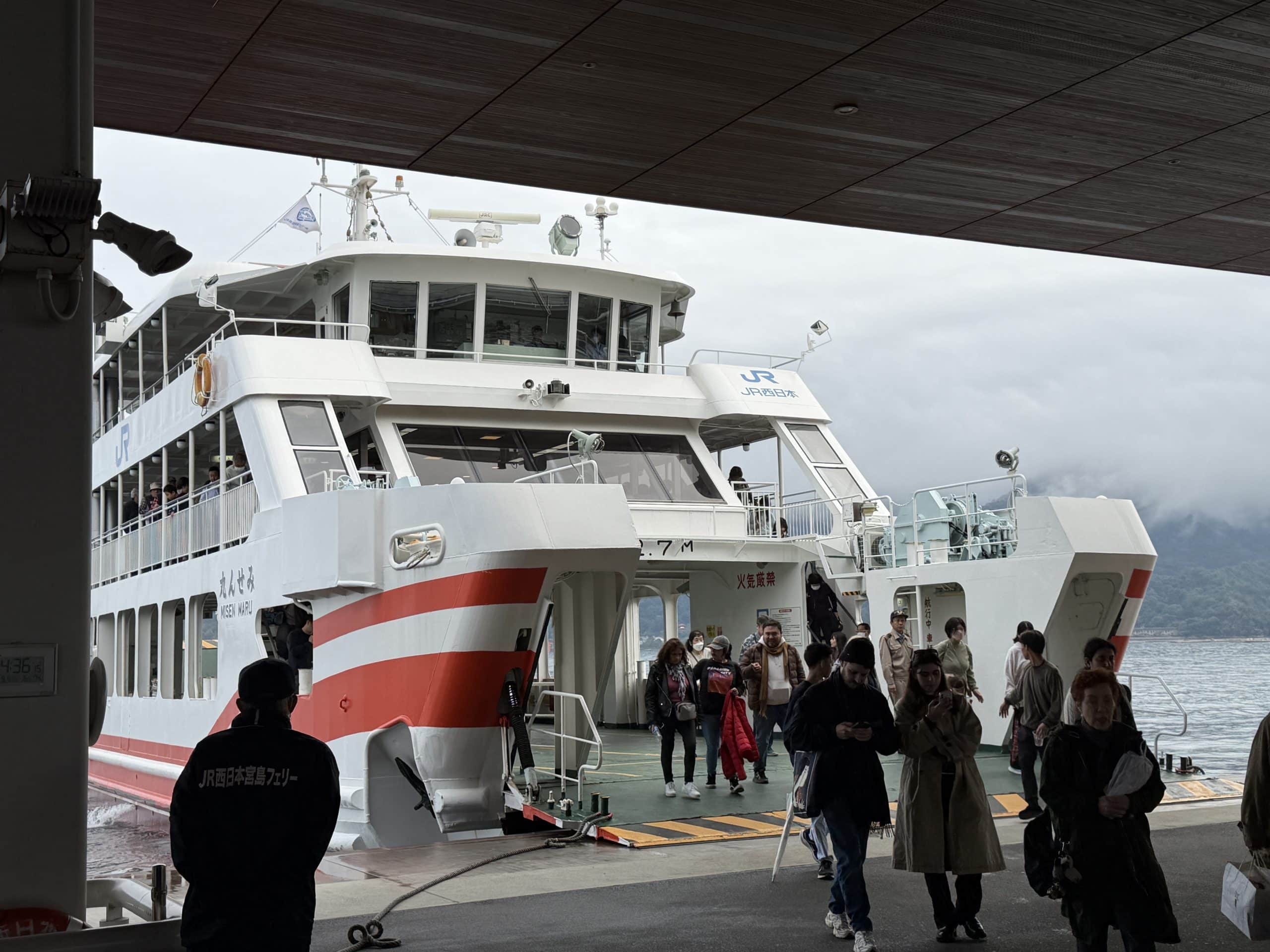
Insider Tip
Be sure to stand on the right-hand side of the ferry for your first glimpse of the famous torii gate as you approach.
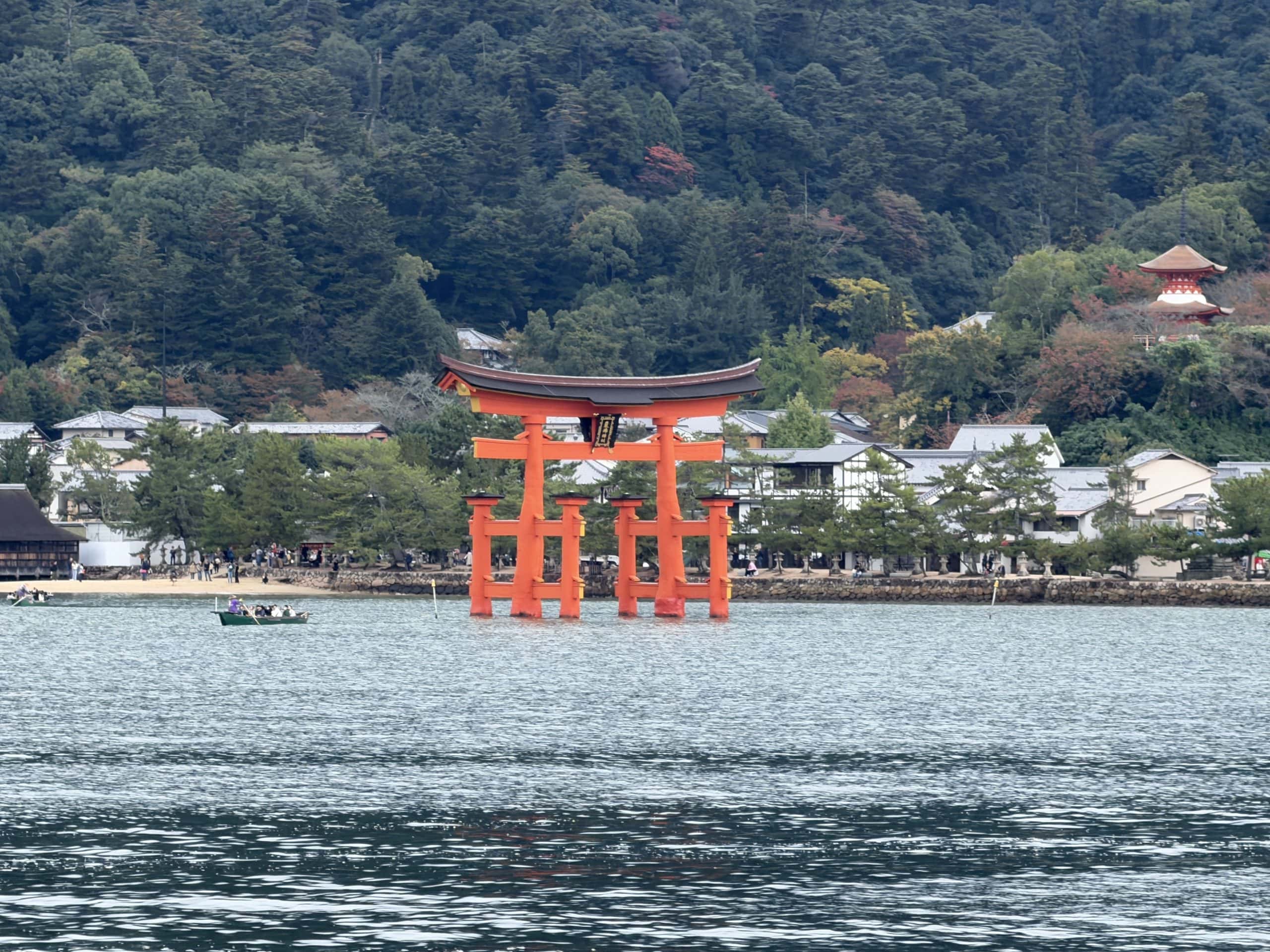
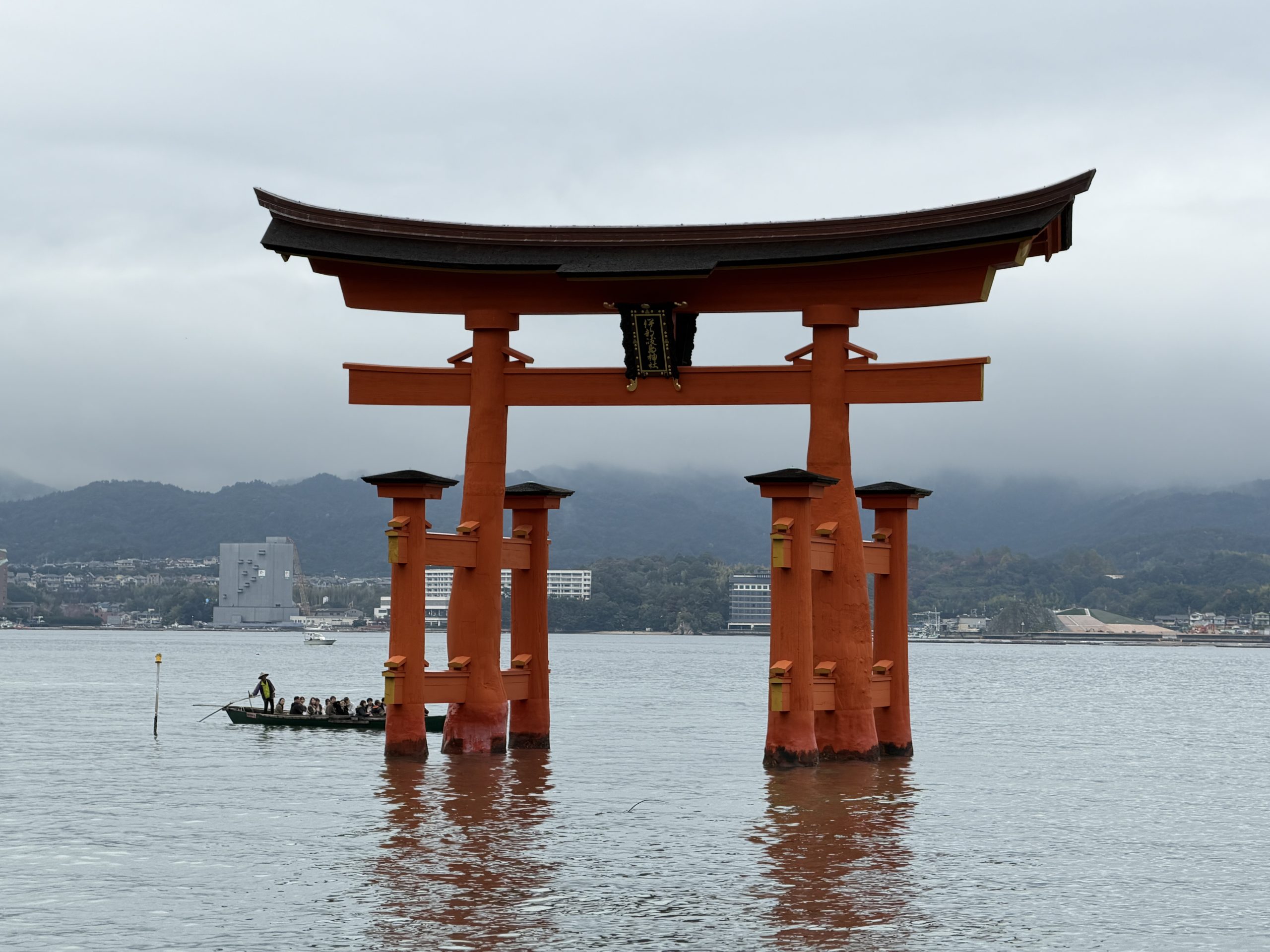
The massive torii gate stands 16 metres high and 24 metres wide and appears to float in the water during high tide. Dating back to 1168, it is supported solely by its own weight and was designated an UNESCO World Heritage Site in 1996.
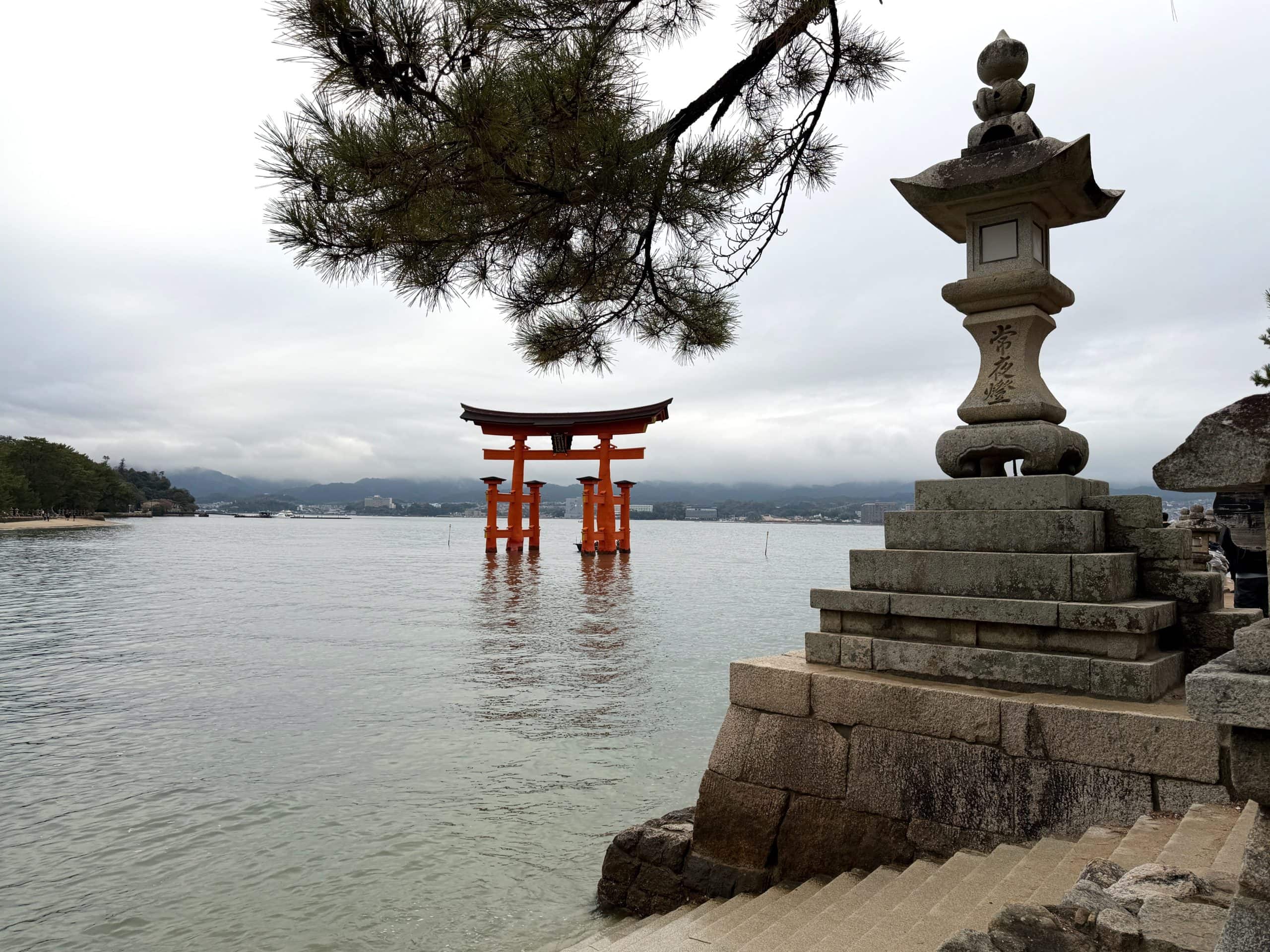
You can take a small boat ride for close-up views from the water, or, at low tide, you can walk right up to it.
Upon arrival on the island, we were very surprised to be greeted by a wild deer roaming around outside the ferry terminal.
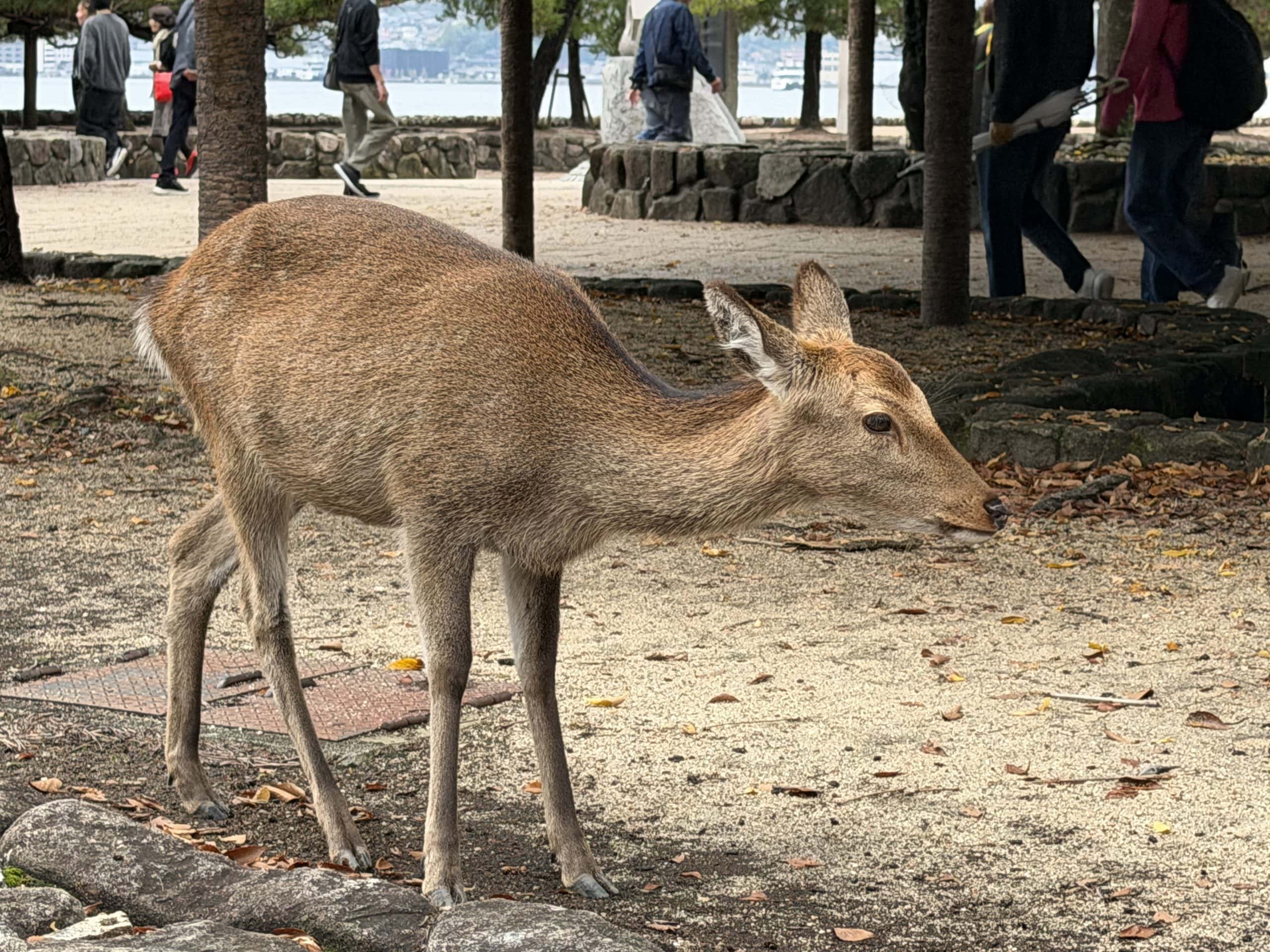
As we wandered, we came across many more who were very friendly and not at all intimidated by the many people around. However, it is important that you don’t eat food around them since they can become aggressive and try to take it from you!
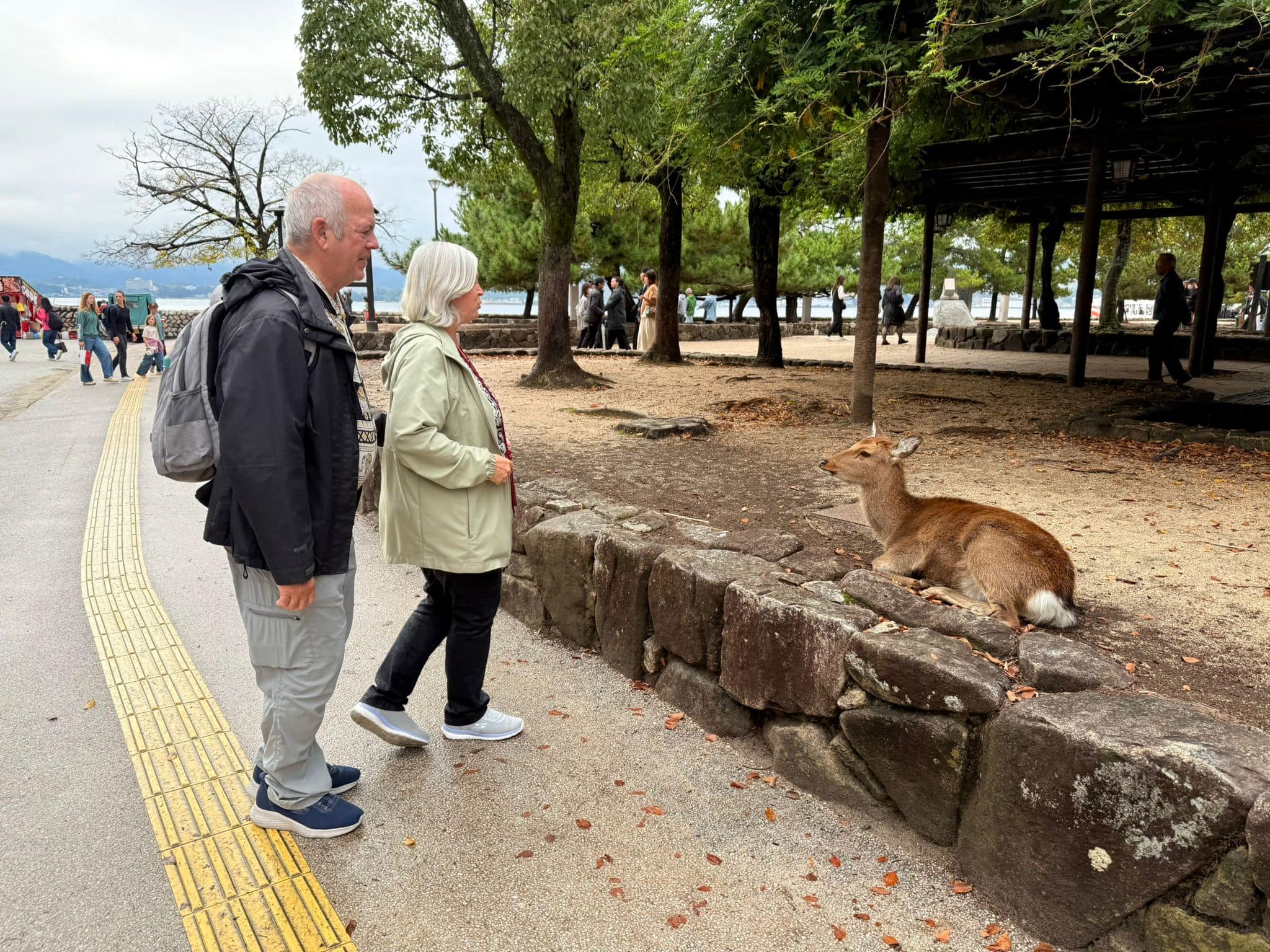
Only about 1,400 people live on the island, along with roughly 500 deer, giving Miyajima a small-town feeling. Sandy pathways, forested hills, and traditional buildings make it a wonderful spot to explore.
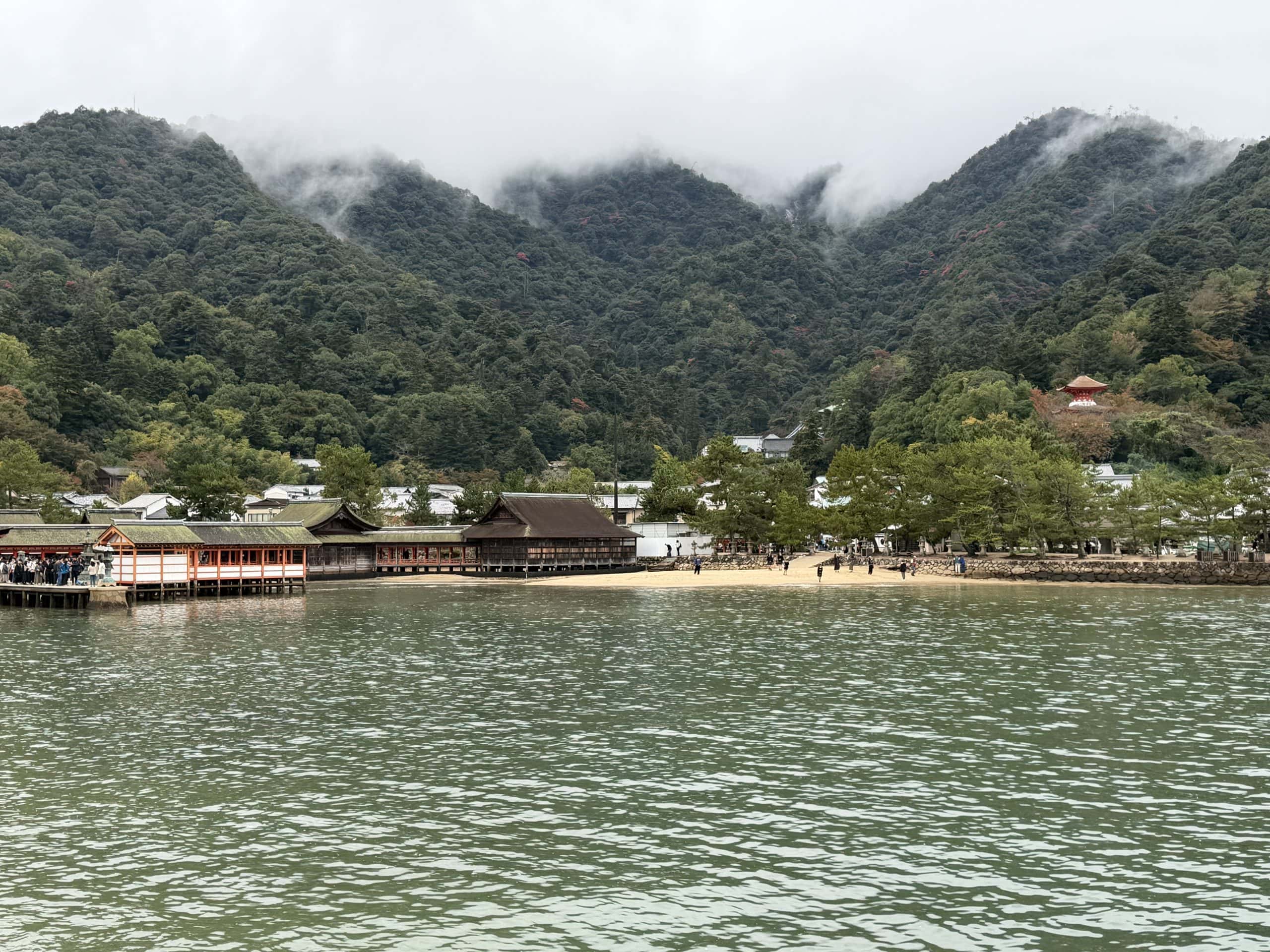
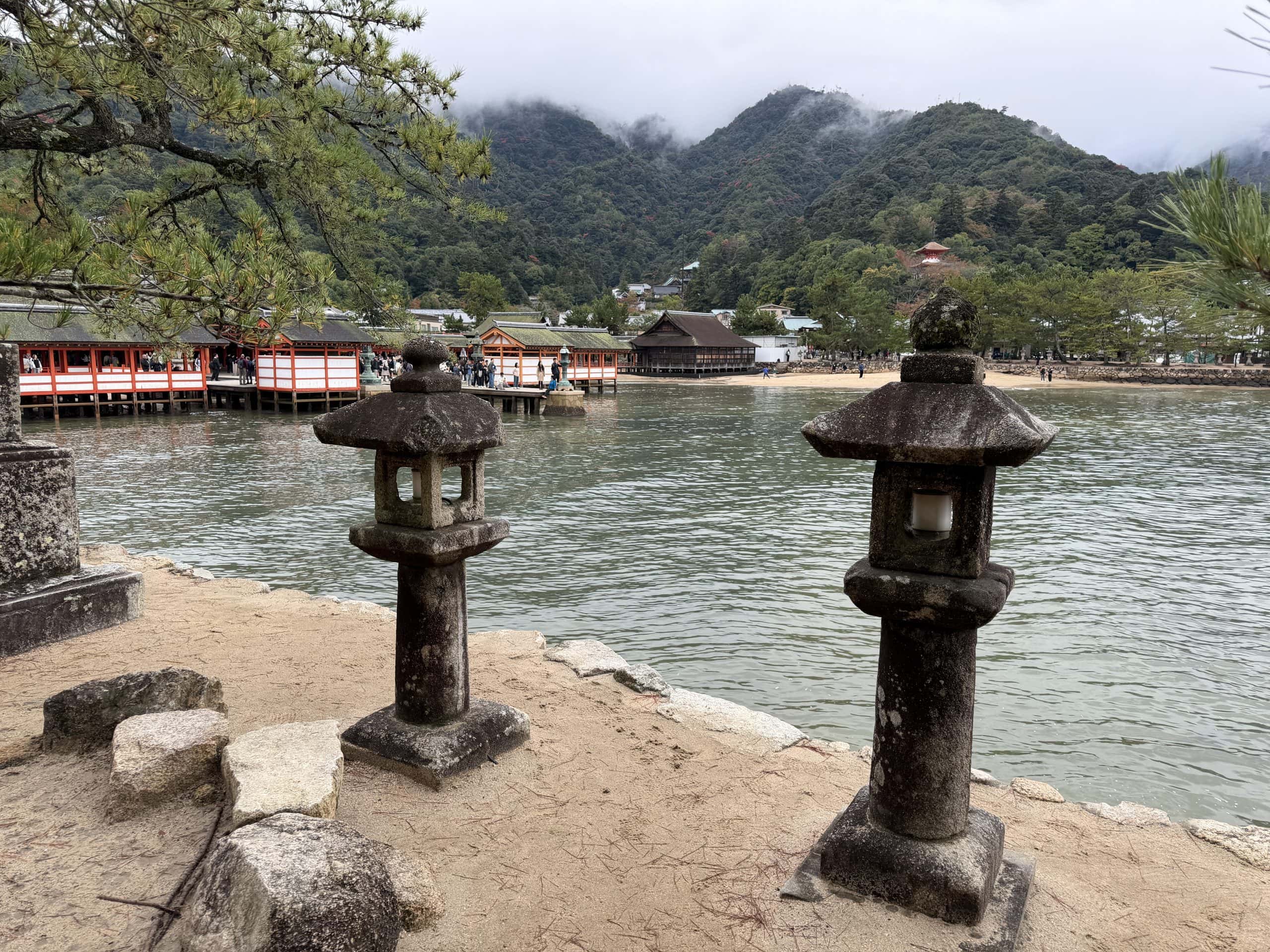
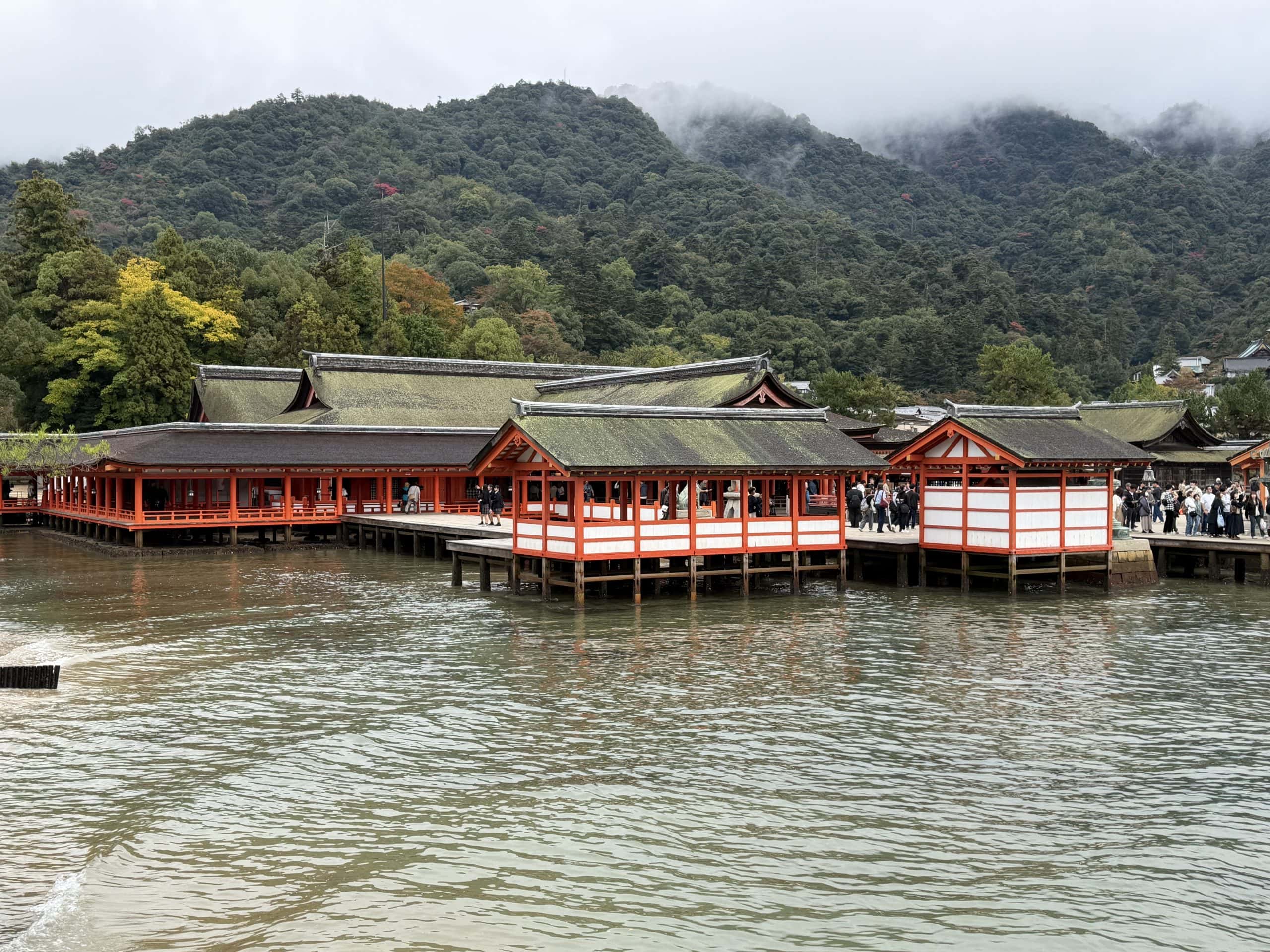
The Itsukushima Shrine, built over the water, is one of the island’s most fascinating sights. Walking through the shrine at high tide feels like floating above the sea.
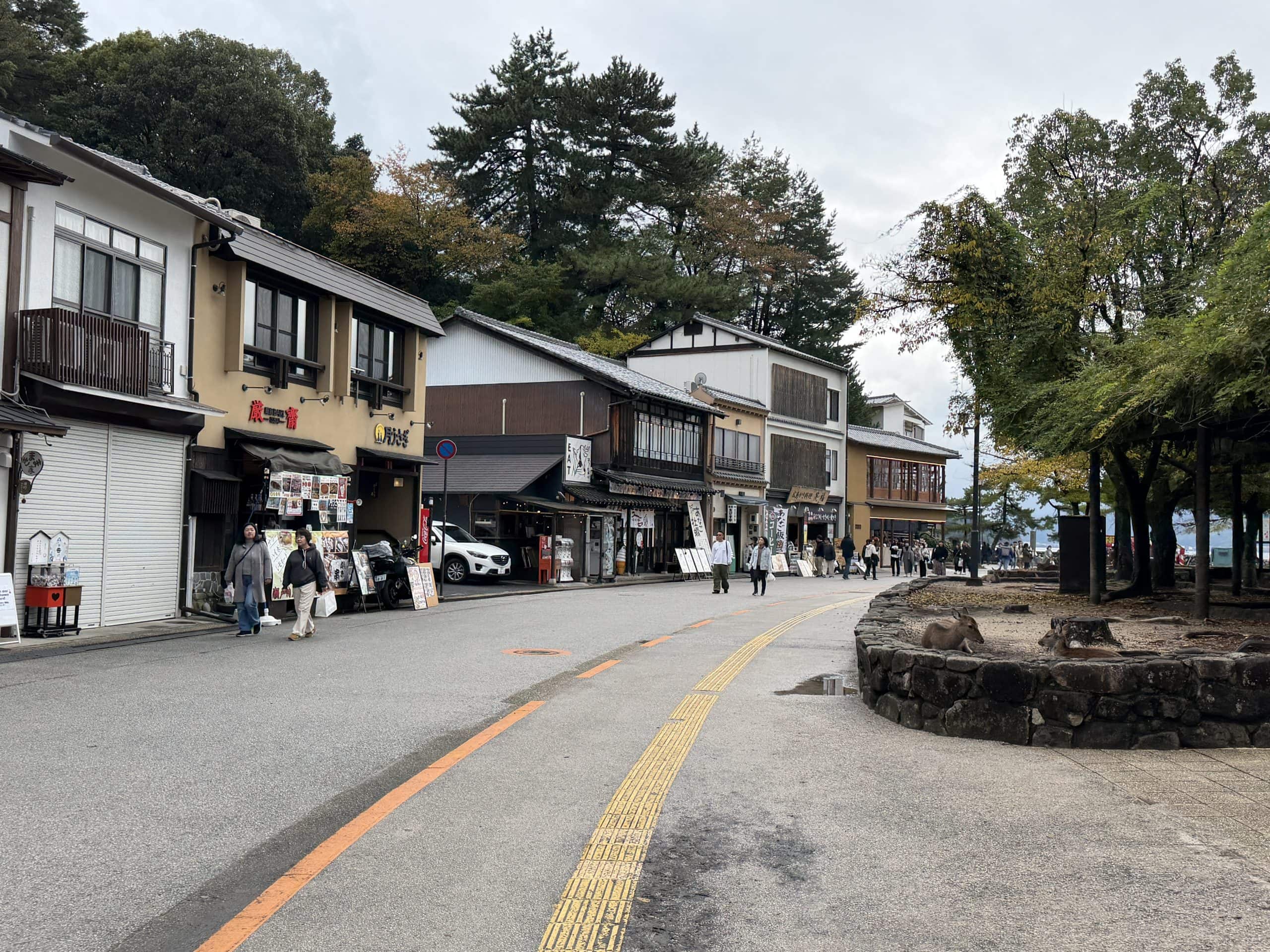
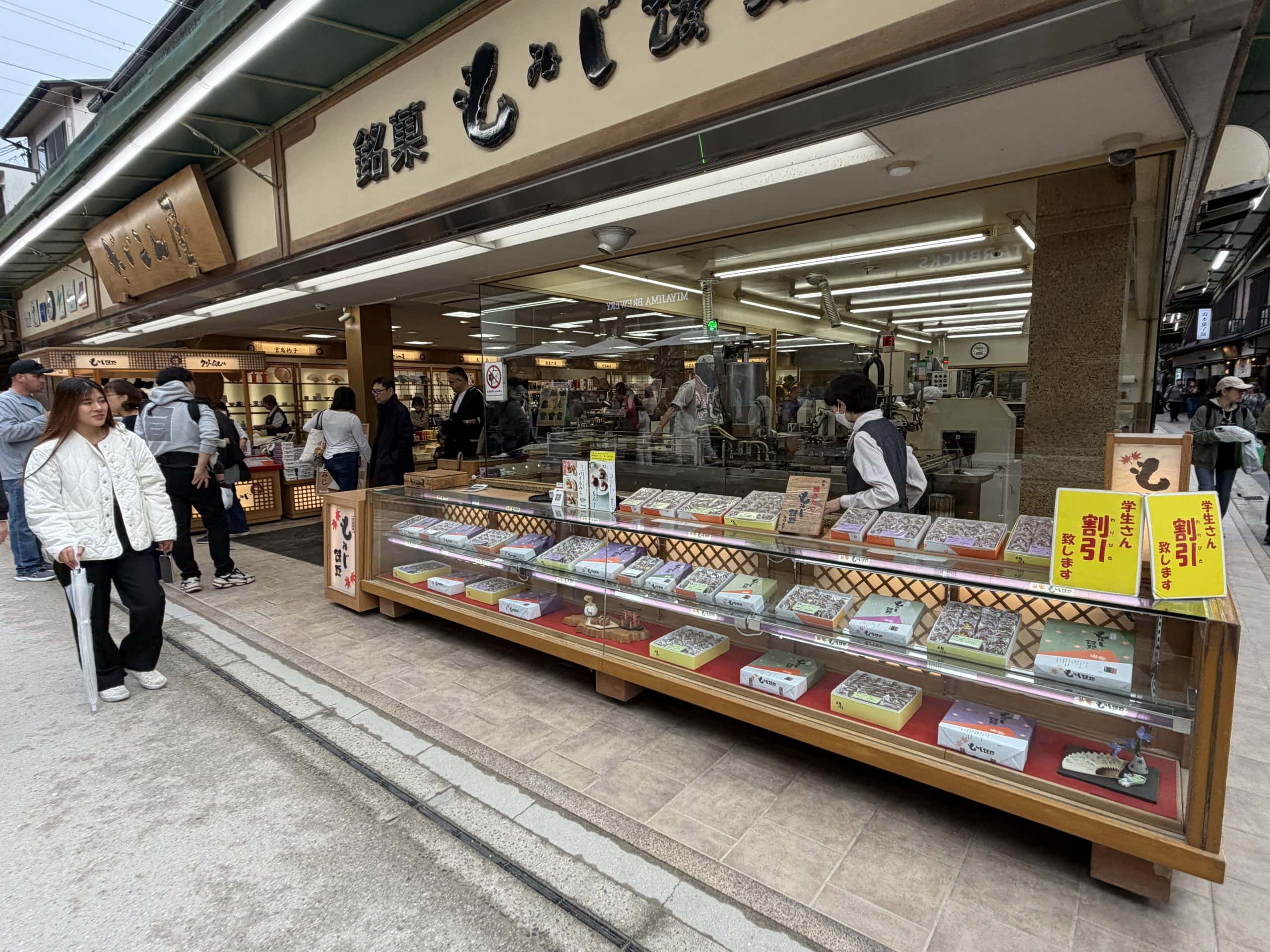
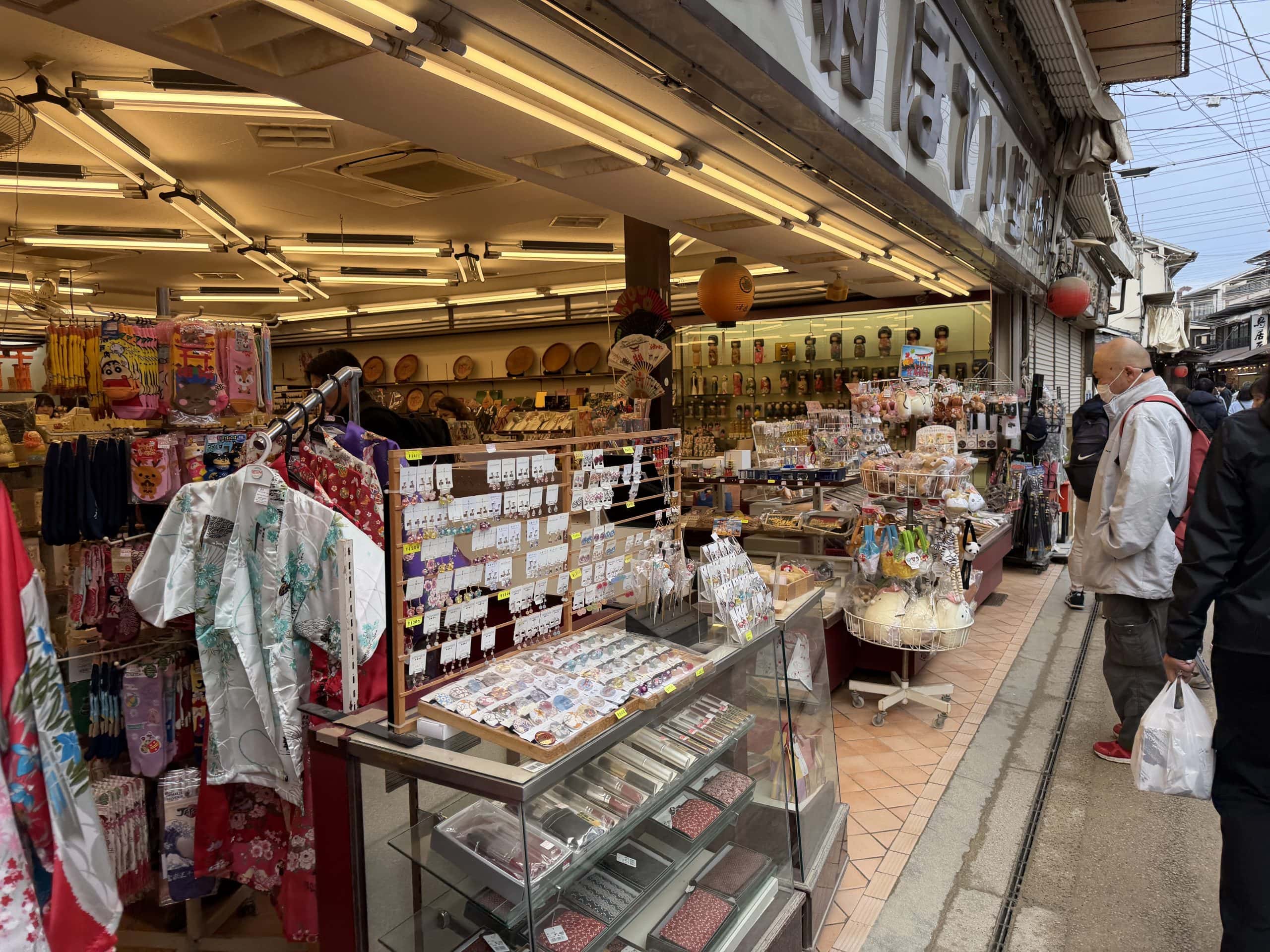
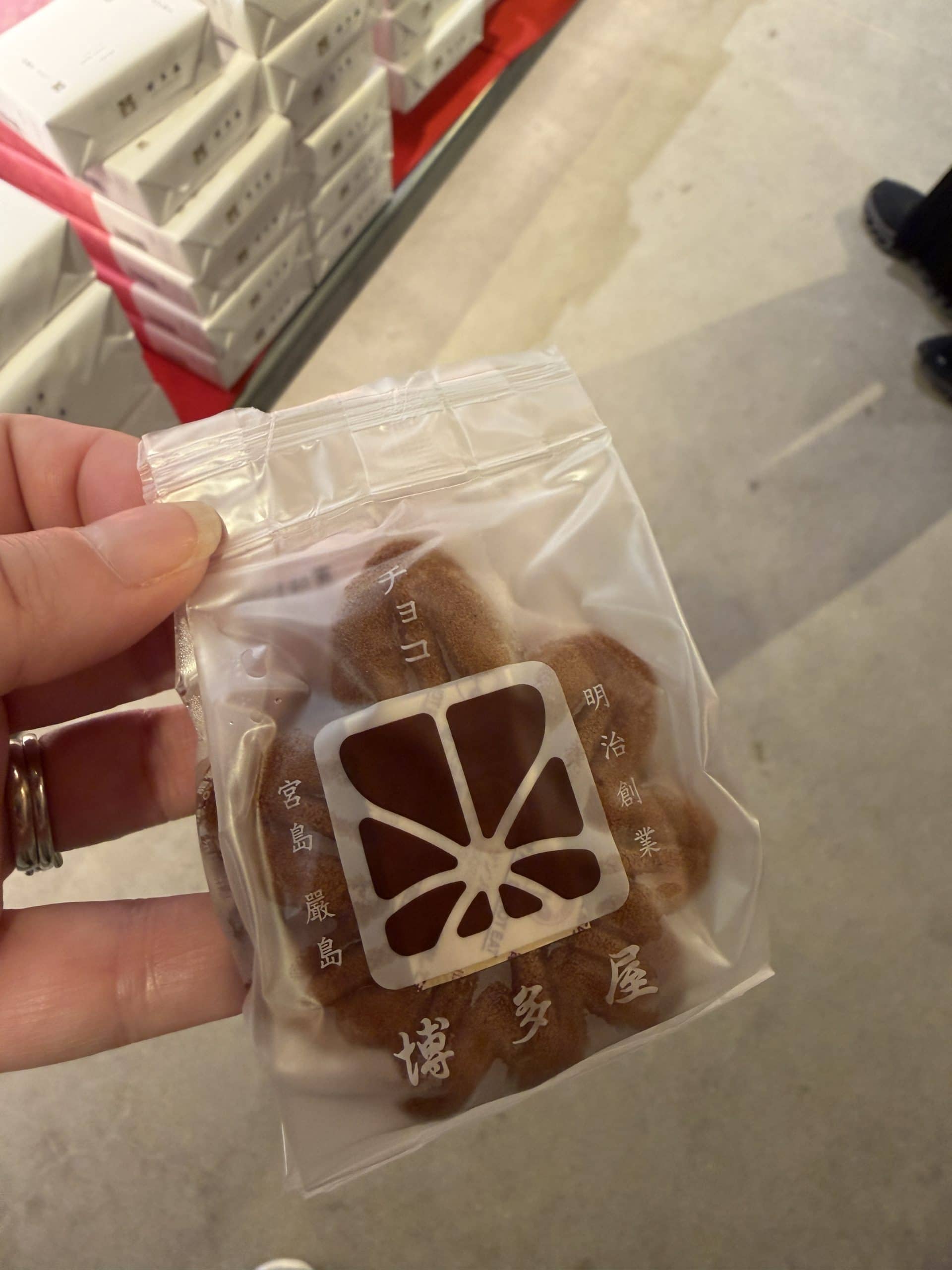
Miyajima’s main street is lined with shops selling local specialties. One must-try treat is the maple leaf-shaped cakes, known as momiji manju, available in a variety of flavours. Our guide was happy to share them with us since our Canadian flag proudly displays a maple leaf.
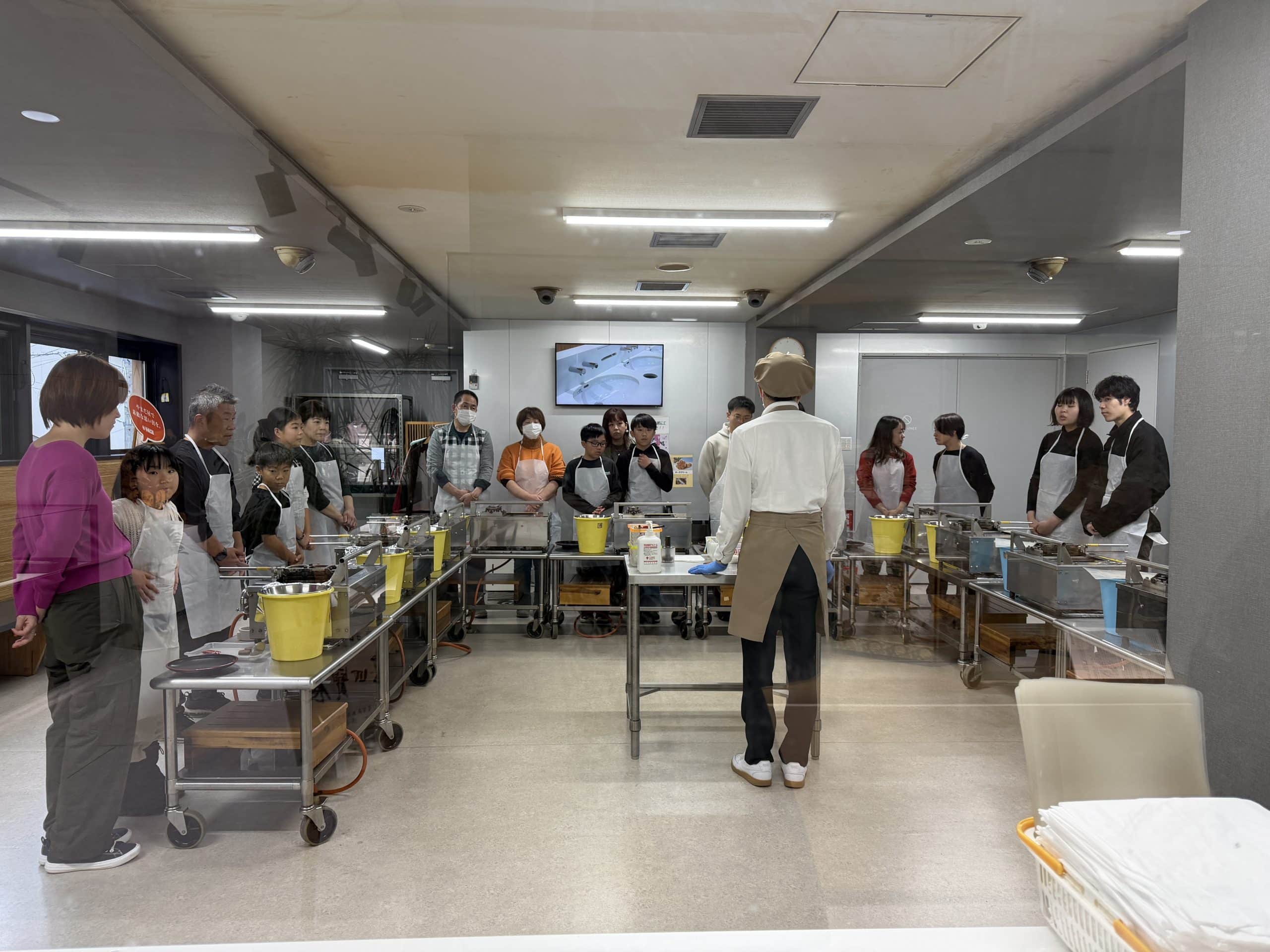
For something a little different, you can even take a lesson at Raku Yamadaya, where you learn to make them yourself in an upstairs cooking kitchen.
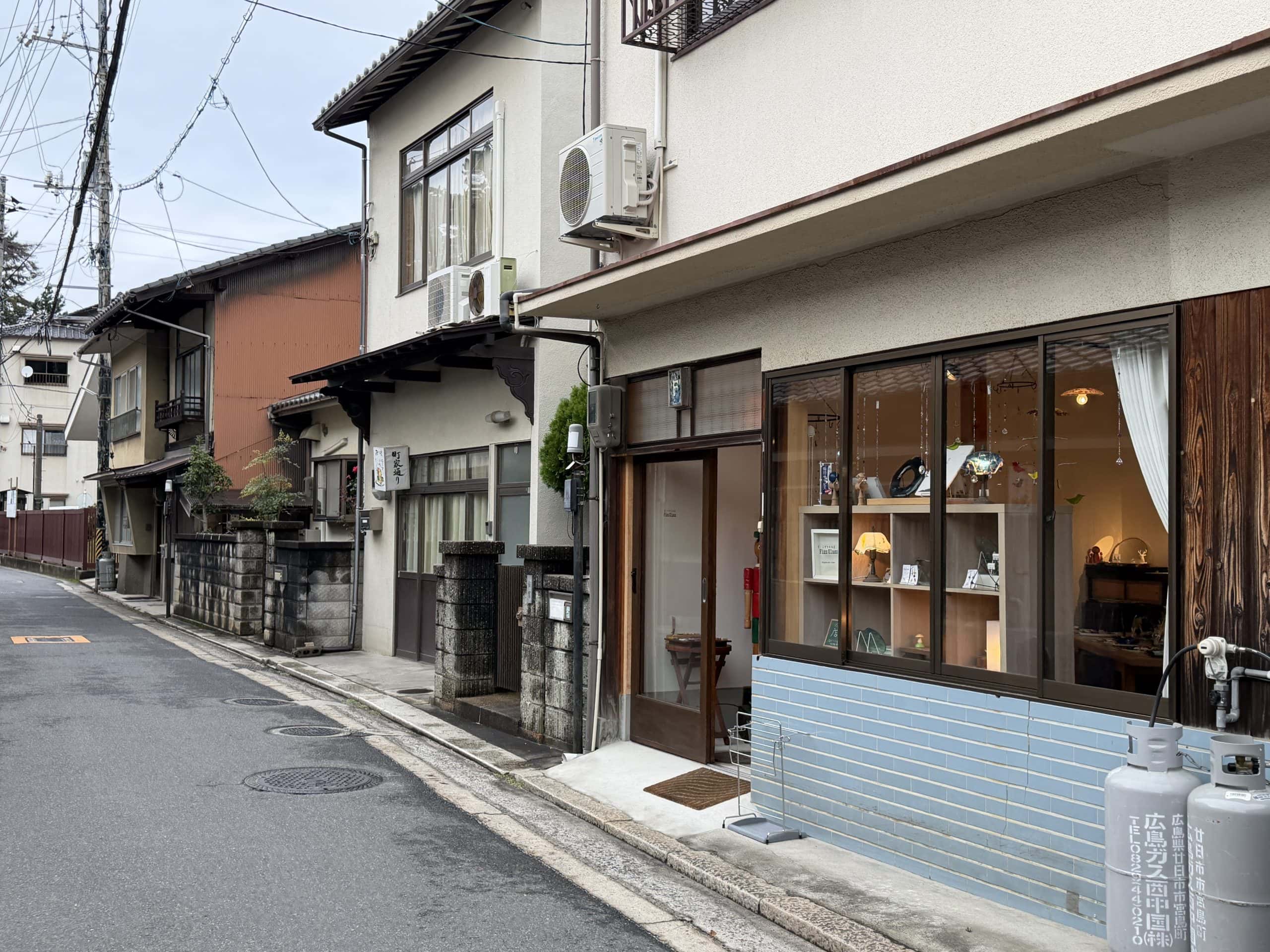
Just behind the main street is a quieter area with charming shops, traditional buildings, and far fewer crowds that is well worth exploring. Miyajima is a place you could easily spend an entire day or even stay overnight, but it fits nicely into an afternoon during one day in Hiroshima.
If you are short on time, a high-speed ferry can take you back to the mainland efficiently, making the travel simple.
FAQs
Is One Day Enough To Visit Hiroshima?
One day in Hiroshima is enough to see the most important sights, including the Peace Memorial Museum, Peace Memorial Park, Atomic Bomb Dome, and an afternoon trip to Miyajima Island. If you do have additional time, you could plan to stay in Hiroshima and visit some of the additional sights in the city on the second day.
What Is The Most Important Place To Visit In Hiroshima?
The Peace Memorial Museum is the most important place to visit in Hiroshima. Its exhibits provide important historical facts about the atomic bombing, its devastating effects, and the worldwide efforts to eliminate nuclear weapons.
How Much Time Is Needed At The Peace Memorial Park and Museum?
Plan to spend at least 2 to 3 hours exploring the Peace Memorial Museum and walking through the Peace Memorial Park. Taking your time allows you to fully absorb the exhibits and reflect at the memorial sites.
Can You Visit Miyajima Island On The Same Day As Hiroshima?
Yes, Miyajima Island is easy to visit on the same day. The combination of train and ferry takes under an hour each way, making it a perfect afternoon trip.
What Food Is Hiroshima Famous For?
Hiroshima is famous for its unique style of okonomiyaki, which layers cabbage, noodles, egg, and batter rather than mixing the ingredients. It is considered one of the best local dishes in Japan and is a must-try when exploring Hiroshima.
The Final Word…One Day in Hiroshima
Hiroshima is a city that leaves a significant impression. It is vibrant, welcoming, and surprisingly calm, without the overwhelming crowds found in some of Japan’s larger cities.
One day in Hiroshima allows you to learn, reflect and come face to face with the realities of a dark history while also seeing the hope that the people of Hiroshima continue to build upon. It is not always an easy visit, but it is an important one. Hiroshima is a place that reminds us why peace matters and why education and never forgetting are so very important for our future generations.
Hiroshima fits into an itinerary with cities like Kyoto and Kanazawa, where traditional culture and history are still evident in everyday life. Check out our other posts when planning a trip to Japan.