
Top Things to Do in Porto: Why It Became Our Favourite City in Portugal

We expected to enjoy Porto, but we didn’t expect it to become our favourite city in Portugal.
After spending several days exploring Lisbon, we boarded the train north on our journey to Porto, wondering how the two cities would compare. It didn’t take long before we had our answer. While Lisbon impressed us with its grand squares, historic neighbourhoods, and iconic landmarks, Porto captured our hearts in an entirely different way.
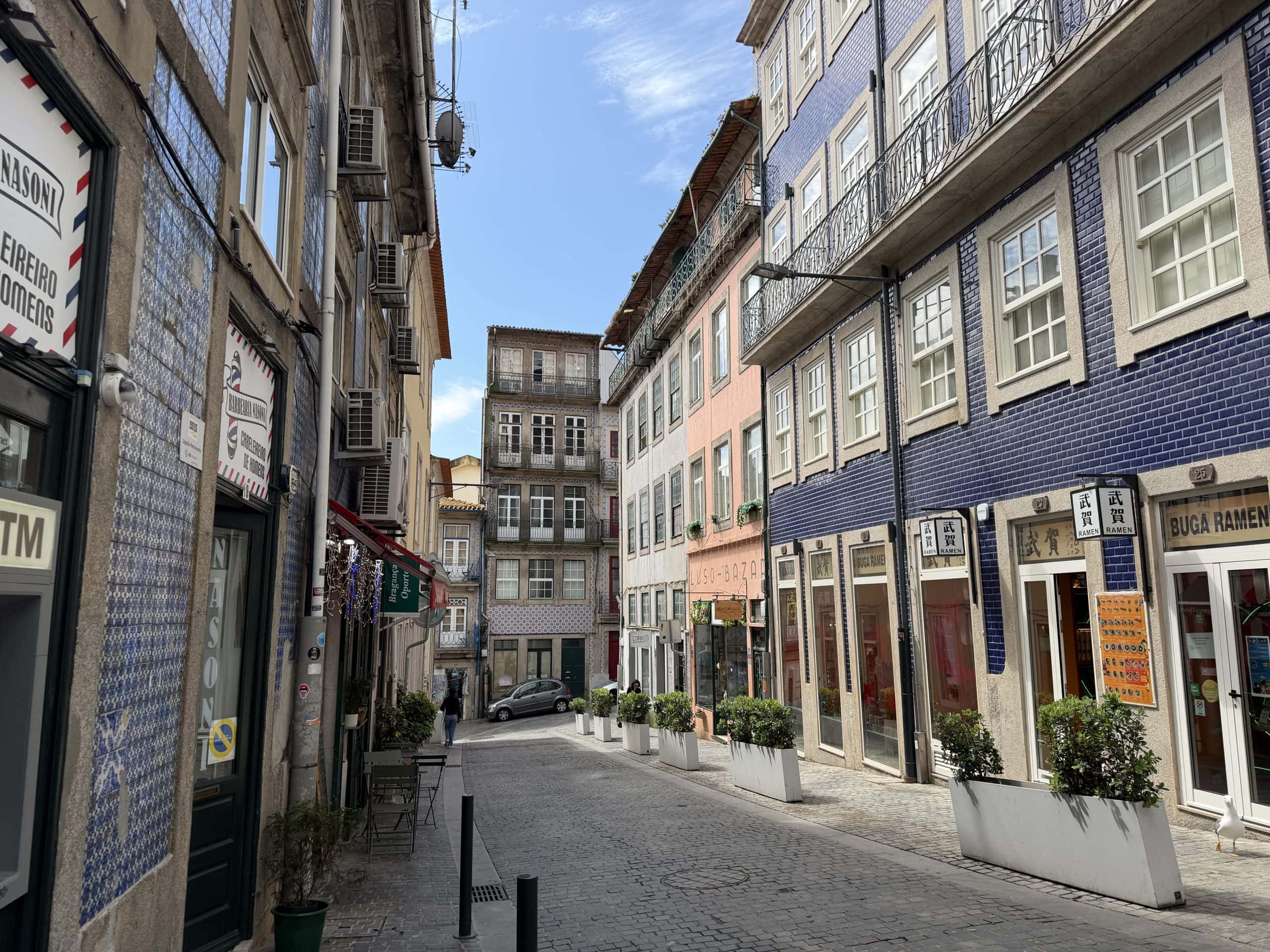
The city felt smaller and more intimate, and the pace seemed slower. We found ourselves wandering its narrow streets, admiring colourful tiled buildings, and stopping often to take in the views over the Douro River. Everywhere we looked, there was another beautiful church, another architecturally impressive building, or another inviting café.
If you’re wondering about the top things to do in Porto, you’ll quickly discover that this is a city that combines extensive history, striking architecture, scrumptious food, and one of the most picturesque riverfronts in Europe. It is easy to explore on foot, although, much like Lisbon, you’ll still encounter plenty of hills along the way.
One of the things we noticed immediately was how friendly Porto felt. While it certainly attracts visitors from around the world, it never feels overwhelming. Instead, we found ourselves slowing down, wandering without much of a plan, and enjoying the atmosphere.
We were also amazed by the architecture. Beautiful churches seemed to appear around every corner, while many of the buildings were covered in the colourful Portuguese tiles that we had already come to love.

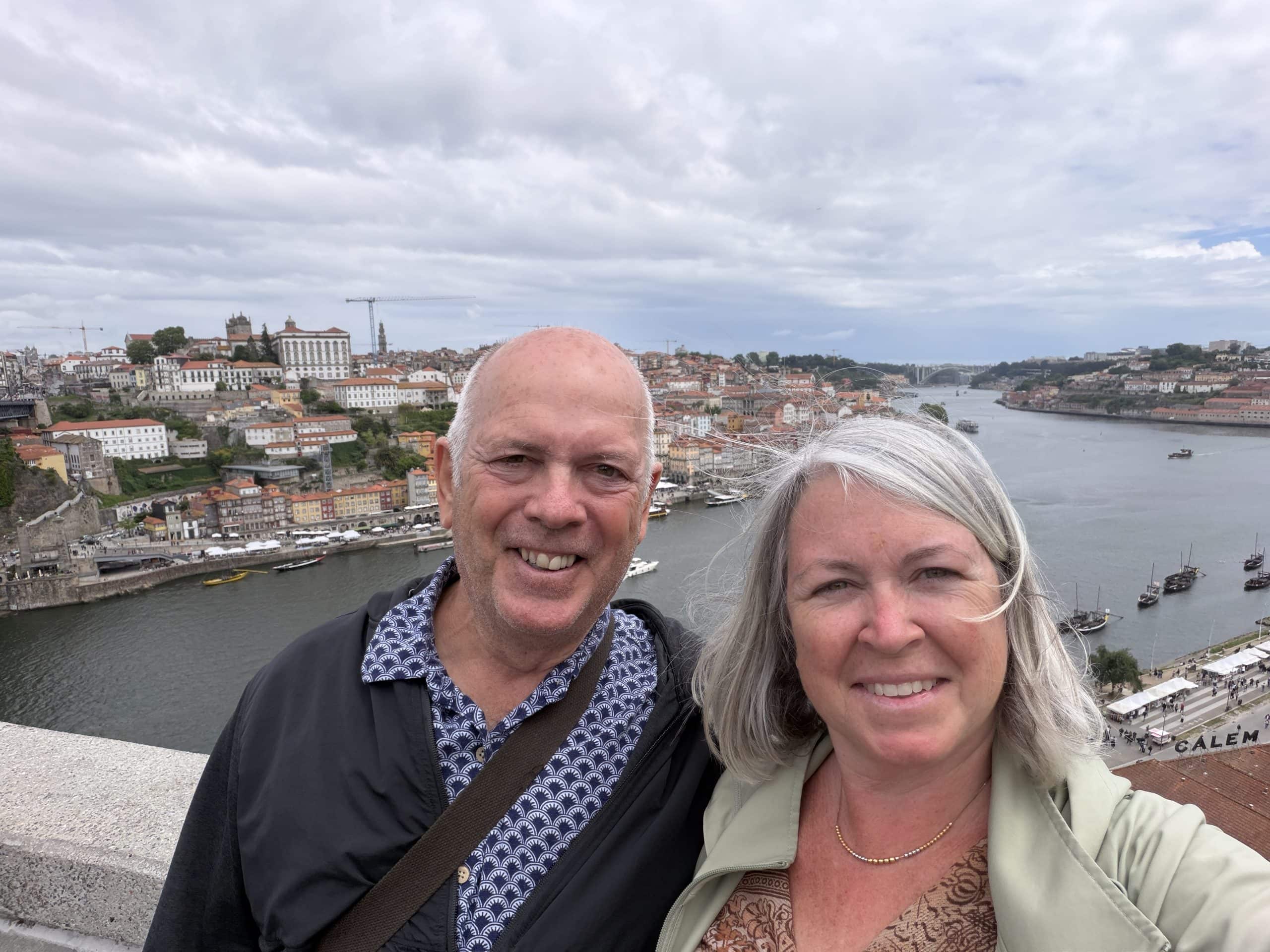
Porto also has an incredible connection to the Douro River. Much of the city’s character revolves around the waterfront, where historic buildings, colourful houses, and famous bridges create one of the most recognizable skylines in Portugal.
Whether you have one day or several, Porto offers plenty to discover. These were the places and experiences that made our visit so memorable.
What You’ll Discover in Porto
In this guide, we’ll share the experiences you can include on your Porto itinerary, including:
✅ Beautiful squares and historic buildings in the heart of the city.
✅ One of the world’s most impressive railway stations.
✅ An unforgettable multimedia show inside a Baroque church.
✅ Porto’s famous market and lively riverside district.
✅ The iconic Dom Luís I Bridge and spectacular river views.
Begin at Liberty Square
One of the best places to begin exploring Porto is Liberty Square.
This large open plaza sits at the heart of the city and is surrounded by elegant buildings that immediately give you a sense of Porto’s history. It acts as a meeting point for both locals and visitors, making it a great place to orient yourself before wandering through the surrounding streets.


At the centre of the square stands an impressive bronze statue of King Pedro IV, one of Portugal’s most important historical figures. Looking beyond the monument, you can see the grand City Hall at the top of Avenida dos Aliados. In front of it sits a lovely fountain that adds to the beauty of the square.

Unfortunately, much of Liberty Square was under construction during our visit, as Porto is expanding its transit system. While this meant we didn’t get to experience the plaza exactly as it normally appears, we could still appreciate the impressive façades surrounding it.

Even with the construction, Liberty Square is well worth visiting. It provides a wonderful introduction to Porto’s elegant architecture and gives you an appreciation for the city’s grand civic spaces.
Don’t Miss São Bento Train Station
If we had to choose one place that completely exceeded our expectations, it would be São Bento Railway Station.
At first glance, it seems unusual that a working train station would become one of Porto’s top attractions. After stepping inside, however, it immediately became obvious why so many people come here.
The entrance hall is covered with more than 20,000 hand-painted ceramic tiles that tell the story of Portugal. We expected to spend ten minutes here before moving on to our next stop. Instead, we stayed much longer.

Every time we thought we had seen all the artwork, another panel caught our attention. Looking closely, we began noticing battle scenes, royal ceremonies, and important moments from Portuguese history.
The upper sections illustrate the evolution of transportation throughout the country, while the large blue and white panels depict historical events in amazing detail. Several colourful vertical panels represent the four seasons through beautiful symbols.

What makes the station even more surprising is the story behind the artwork. The tiles were painted by the famous Portuguese artist Jorge Colaço, who spent 11 years individually painting them before working with a team to install them on the walls. The project was finally completed in 1916, creating one of the most impressive public art displays we have ever seen.


Although São Bento remains a busy transportation hub, many people now visit just to admire the artwork. During our visit, it was packed with visitors pointing cameras toward the walls rather than watching the departure boards.

Our advice is to be patient. Rather than trying to photograph the entire station at once, spend time looking at the individual scenes. The closer you look, the more details you’ll discover. For us, São Bento wasn’t just one of the highlights of Porto. It became one of our favourite places in all of Portugal.
Experience the Spiritus Light Show at Clérigos Church
One of the most unexpected experiences we had in Porto wasn’t inside a museum or overlooking the river. It was inside a church.
The Clérigos Church, built in the 1700s, is famous for its impressive Baroque architecture and its tall bell tower, which many visitors climb for panoramic views across Porto.
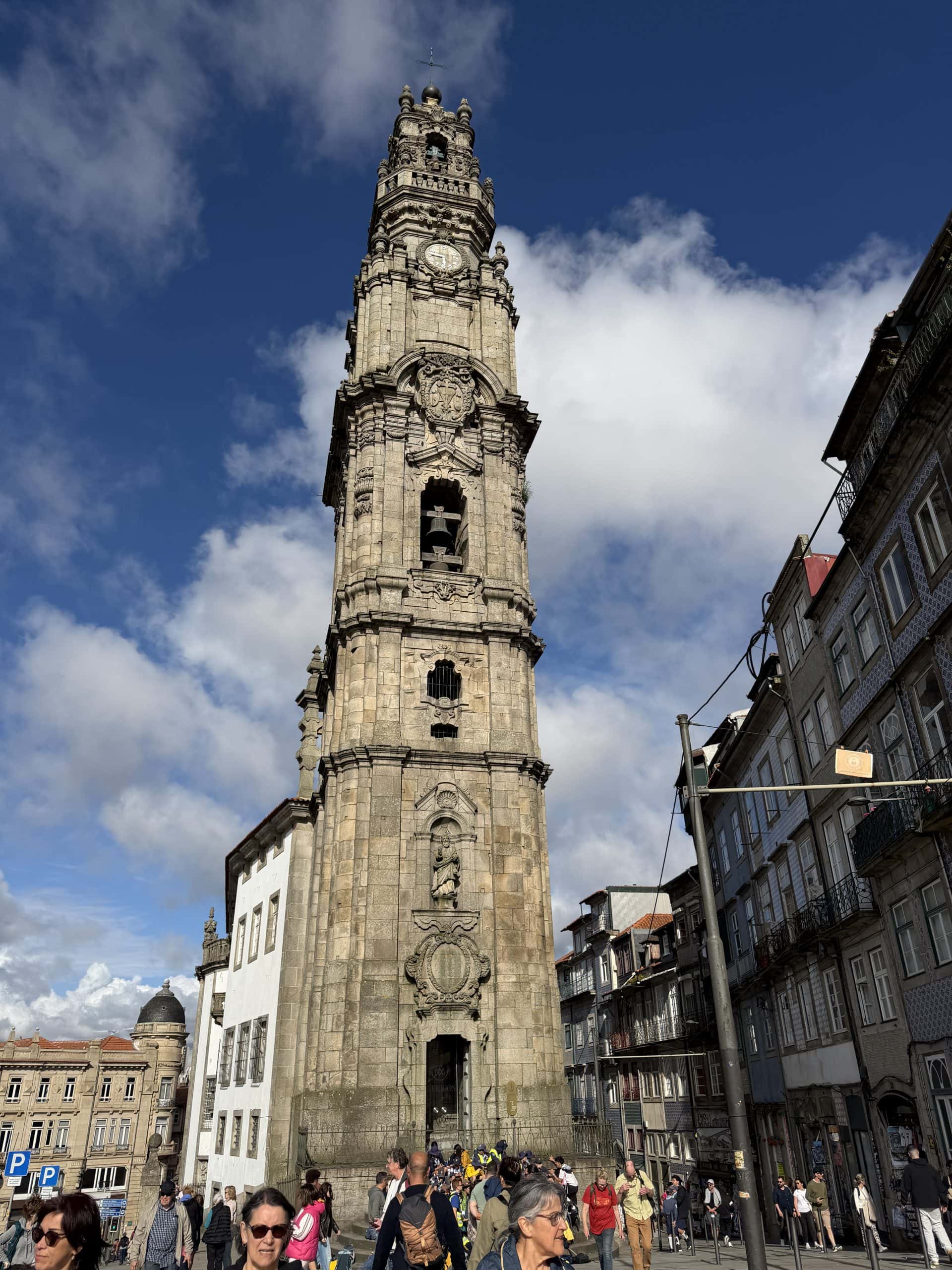
We decided to experience something completely different. Instead of climbing the tower, we booked tickets for Spiritus, a 30-minute multimedia projection show held inside the church.

As the lights dimmed, the church slowly disappeared. The walls and ceiling became an enormous backdrop as colourful images flowed across every surface, perfectly synchronized with music. Throughout the performance, we found ourselves completely absorbed, constantly looking in different directions because something new was always happening somewhere else in the building.


One tip we learned is not to sit too close to the front. Much of the projection takes place behind you as well as above you, so sitting slightly farther back allows you to appreciate the full experience without constantly turning around.
For us, Spiritus was unlike anything we had seen before and was certainly a memorable experience while in Porto.
✅ If you decide to attend, we recommend booking your tickets in advance, as performances often sell out. You can purchase tickets at this website.
Visit Porto’s Historic Churches
With more than 50 churches located within Porto’s historic centre, there is certainly no shortage of beautiful places to visit. Assuming you won’t have time to see them all, there are a couple that are well worth adding to your itinerary.
Sé Cathedral
The Porto Cathedral is one of Porto’s oldest and most important buildings. Construction began in the 12th century, and over the years, different architectural styles were added, including Romanesque and Gothic elements.
We had originally planned to go inside, but with limited time and after speaking with a local guide, we decided to spend our time exploring the plaza and surrounding area instead. We were told that, while the cathedral is historically significant, the interior isn’t quite as impressive as some of the other churches in Porto.
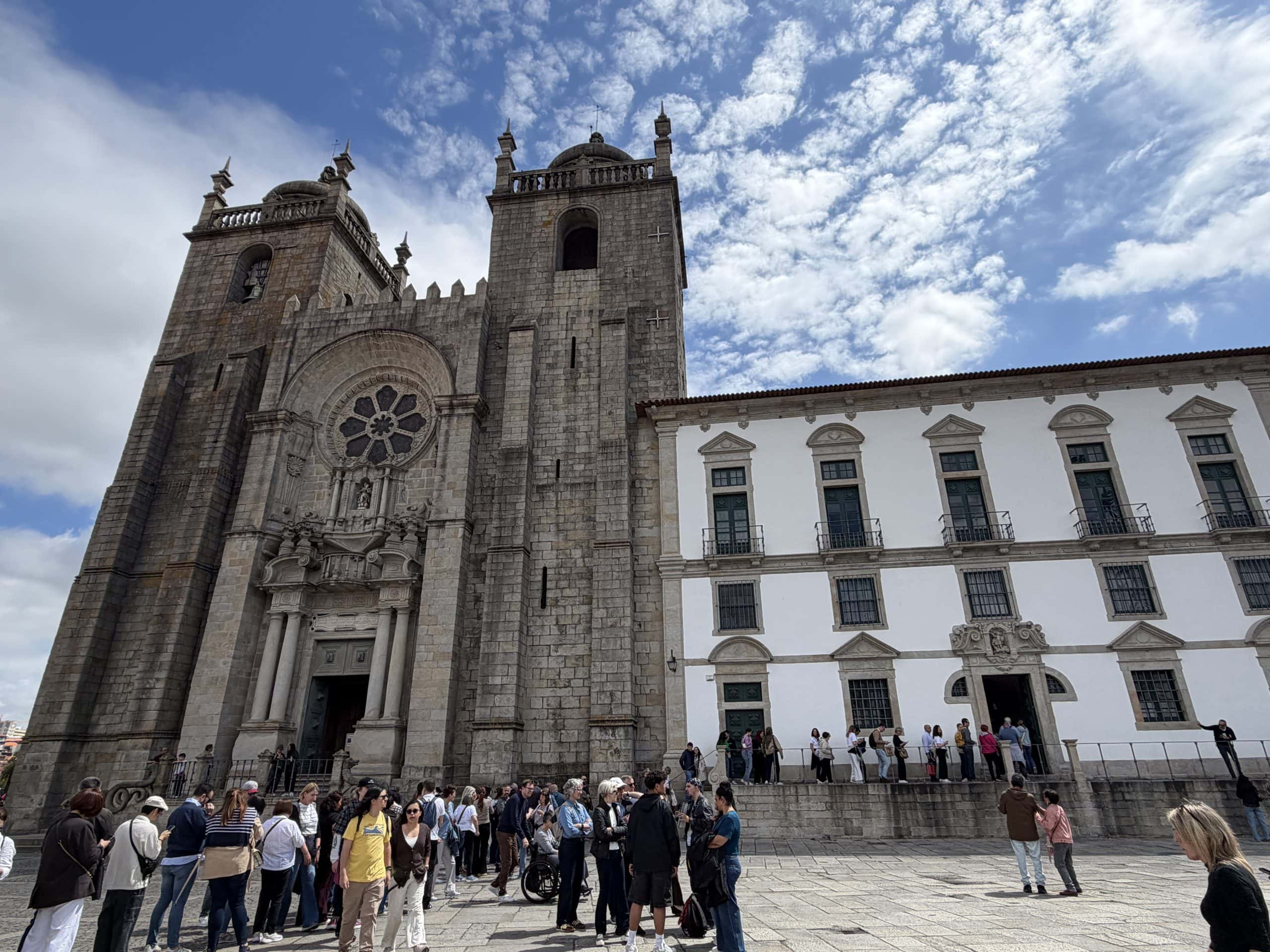
As it turned out, we were perfectly happy with that decision. The square outside the cathedral was full of life. A talented saxophone player was entertaining visitors while people relaxed on the statue steps and admired the views across the city. The atmosphere felt welcoming, and it became one of those spots in Porto where we enjoyed sitting for a few minutes and taking everything in.
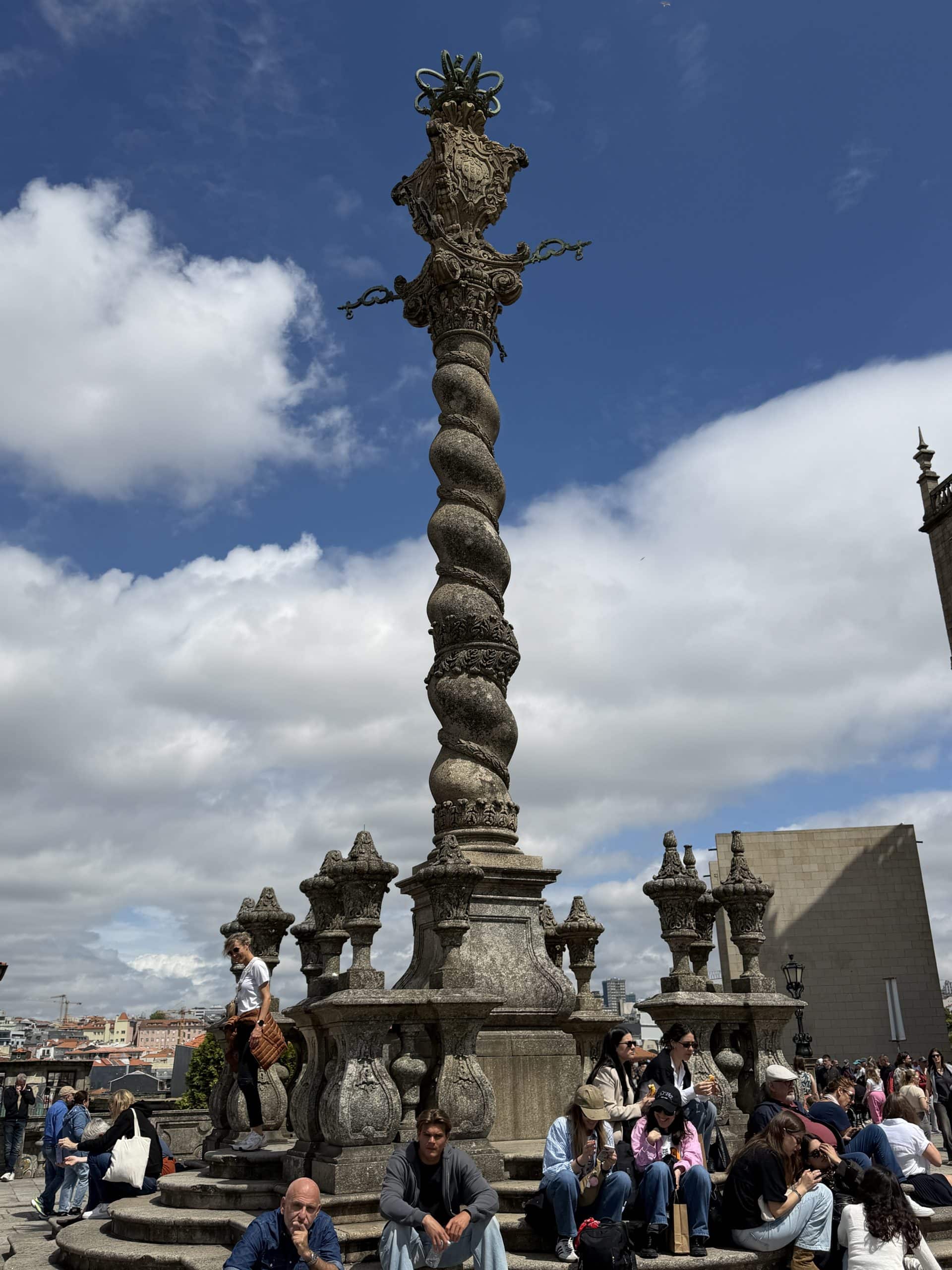
The terrace beside the cathedral offers some wonderful views over Porto’s rooftops. Looking across the city, we could see just how many church towers and terracotta roofs make up Porto’s skyline.

Igreja da Misericórdia
One church that we did make time to visit was Igreja da Misericórdia.
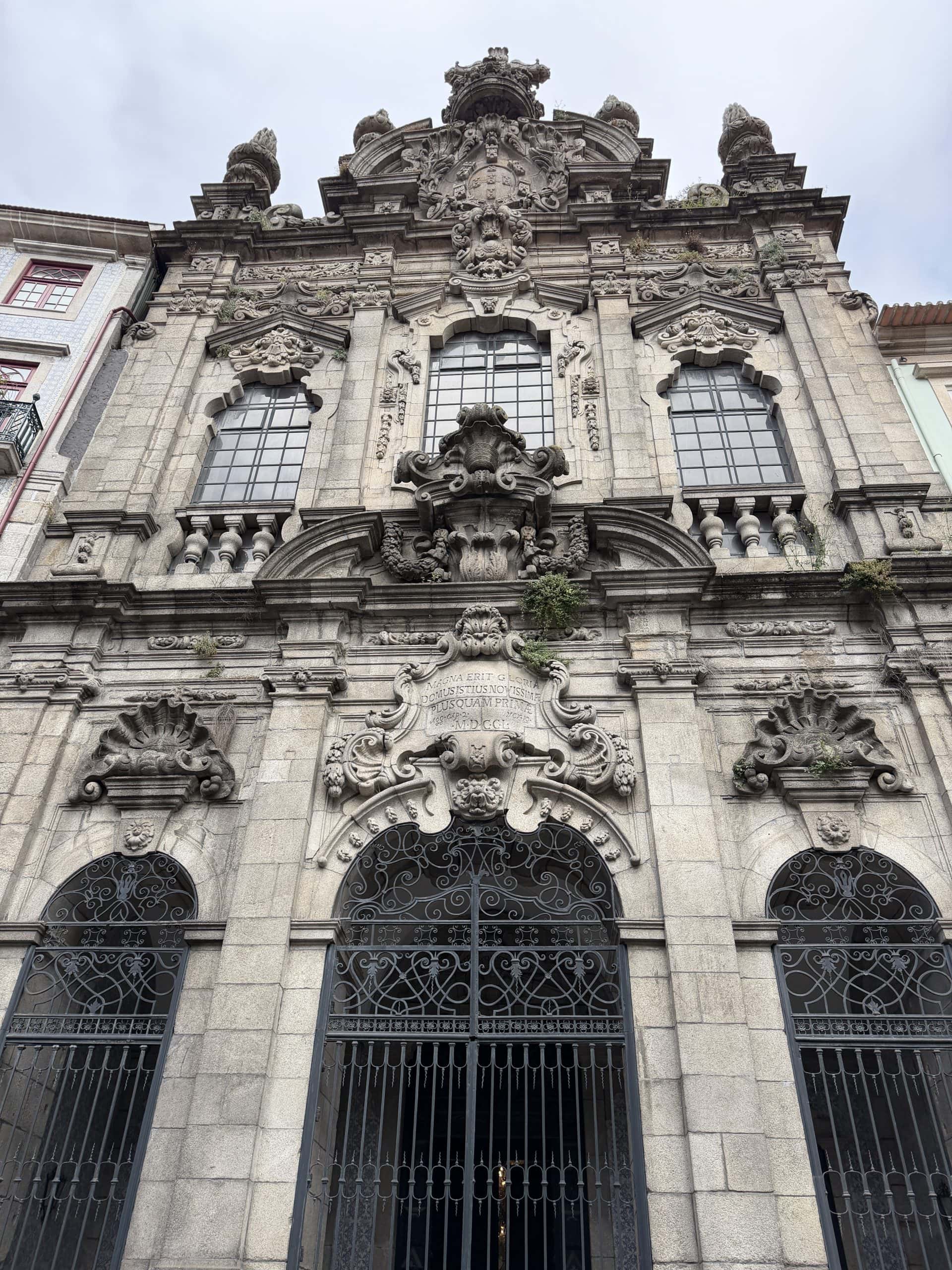
Built during the second half of the 16th century, it is easy to overlook from the outside. Inside, however, we found a beautiful and peaceful space that was well worth the small entrance fee.
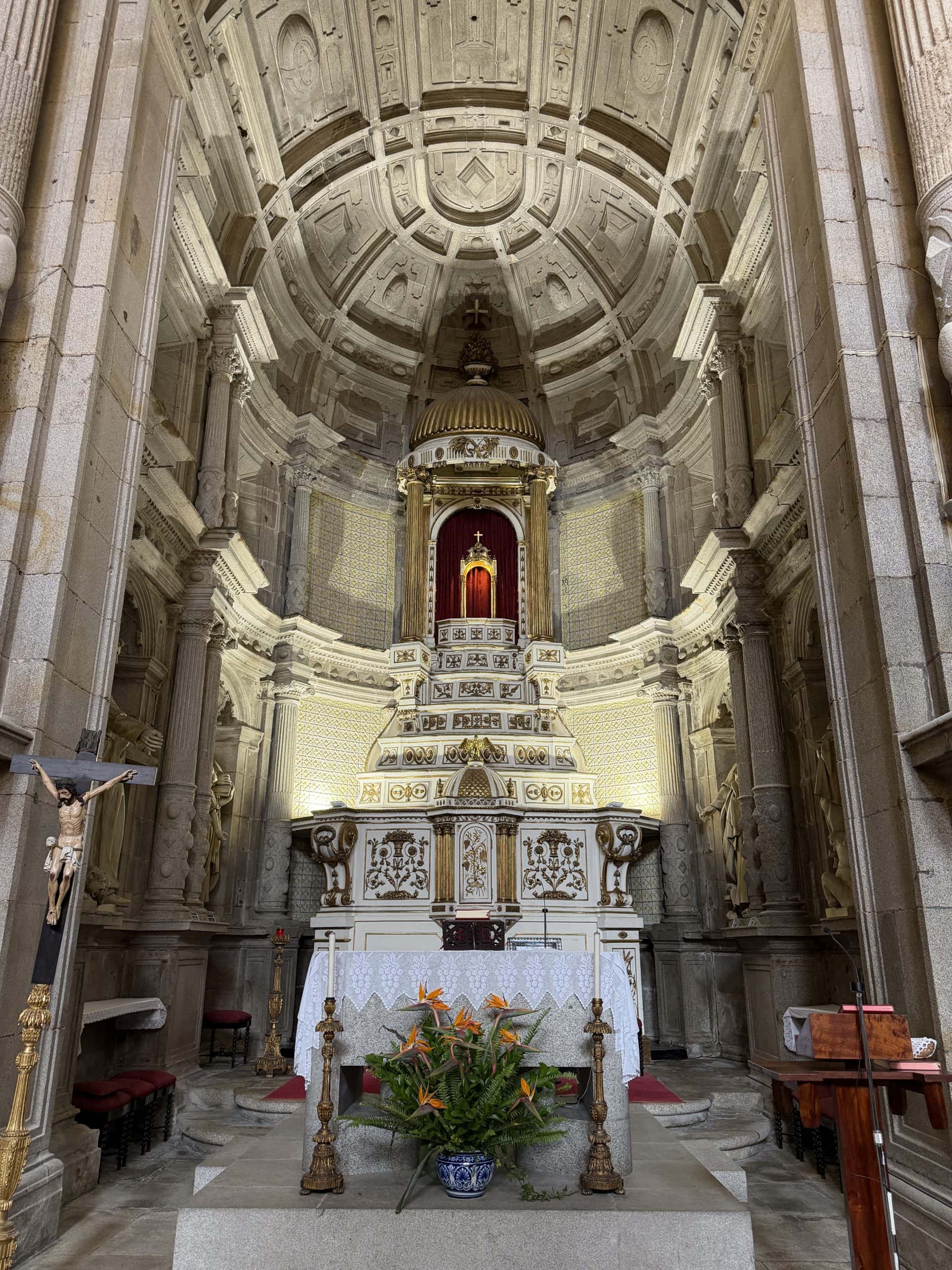

The original main chapel has been preserved, allowing you to appreciate centuries of craftsmanship. Beautiful carved wooden furnishings surround the altar, while an enormous chandelier hangs above the centre of the church.


One thing we quickly noticed throughout Portugal was how each church had its own personality. Some impressed us with their size, others with their history, and others with the incredible detail of their interiors.
✅ A great way to get around Porto and avoid all the hills is by private tuk-tuk. This 5-star tour is a perfect option to see the sights and have a customized day just for you.
Explore Mercado do Bolhão
If you enjoy local markets as much as we do, Mercado do Bolhão is a place you shouldn’t miss.
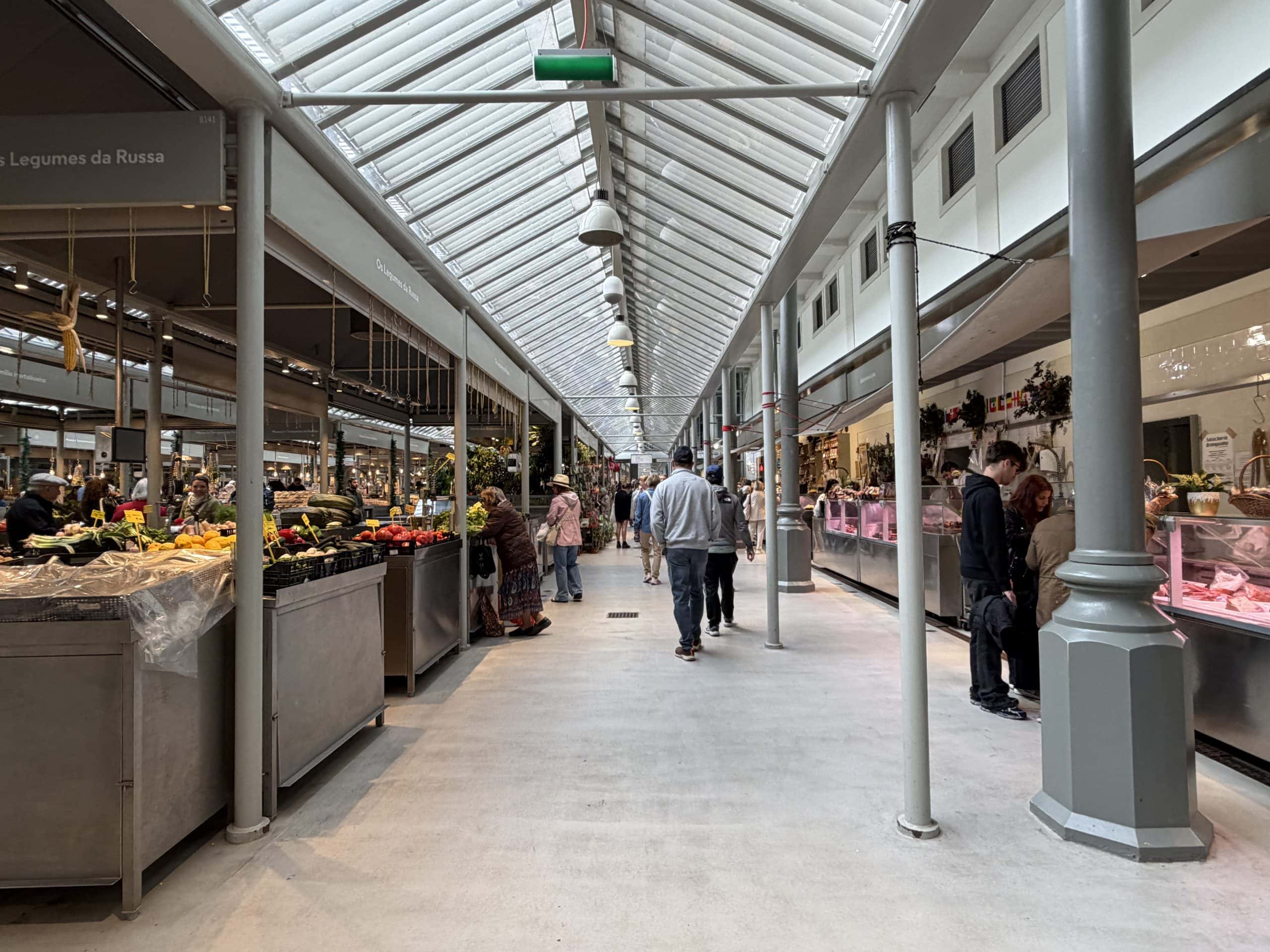
The market has existed in one form or another since 1837 and today has evolved into one of Porto’s most enjoyable places to explore. Inside you’ll find 79 market stalls, 38 shops, and 10 restaurants, all gathered together at this indoor venue.
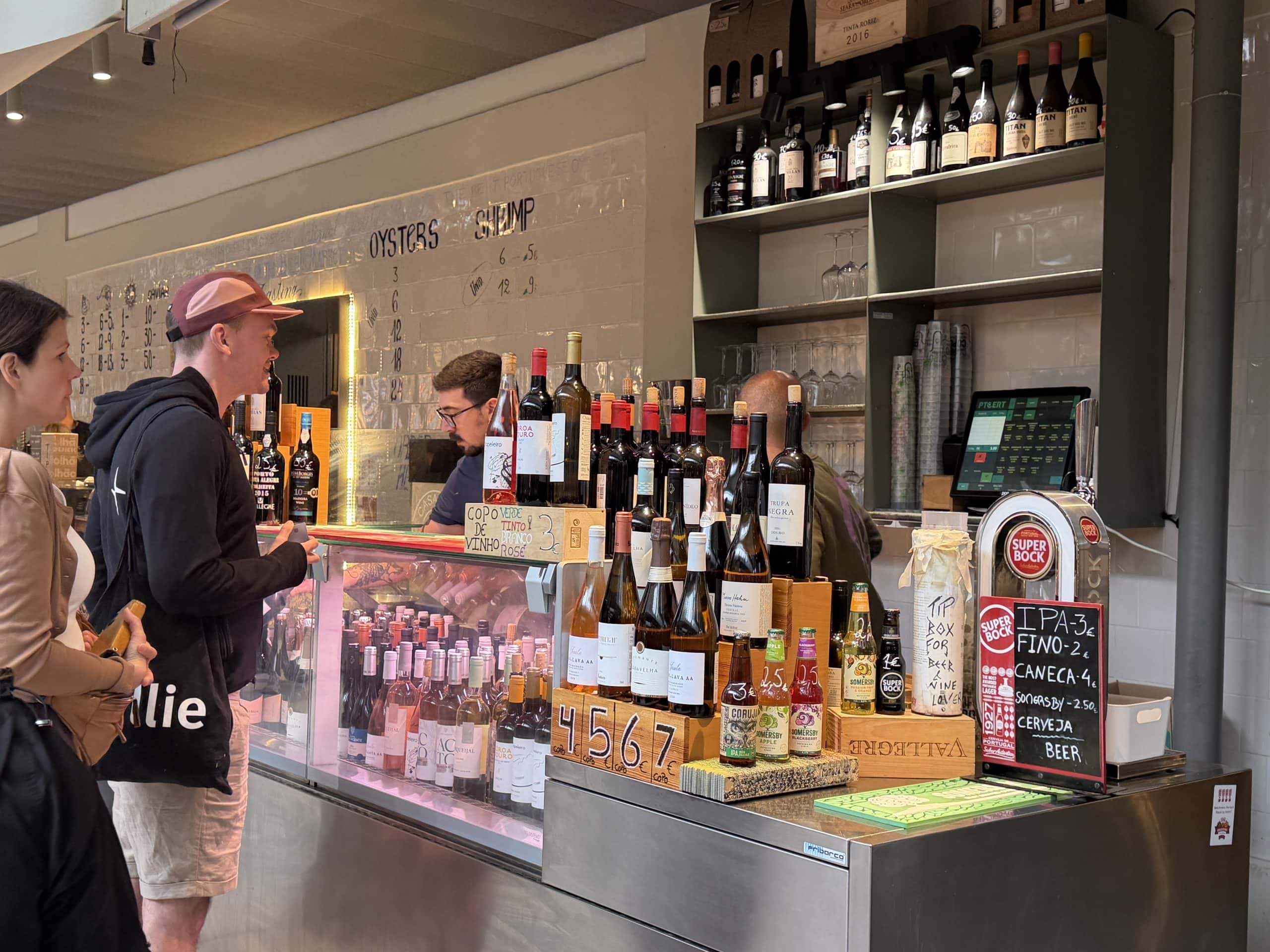
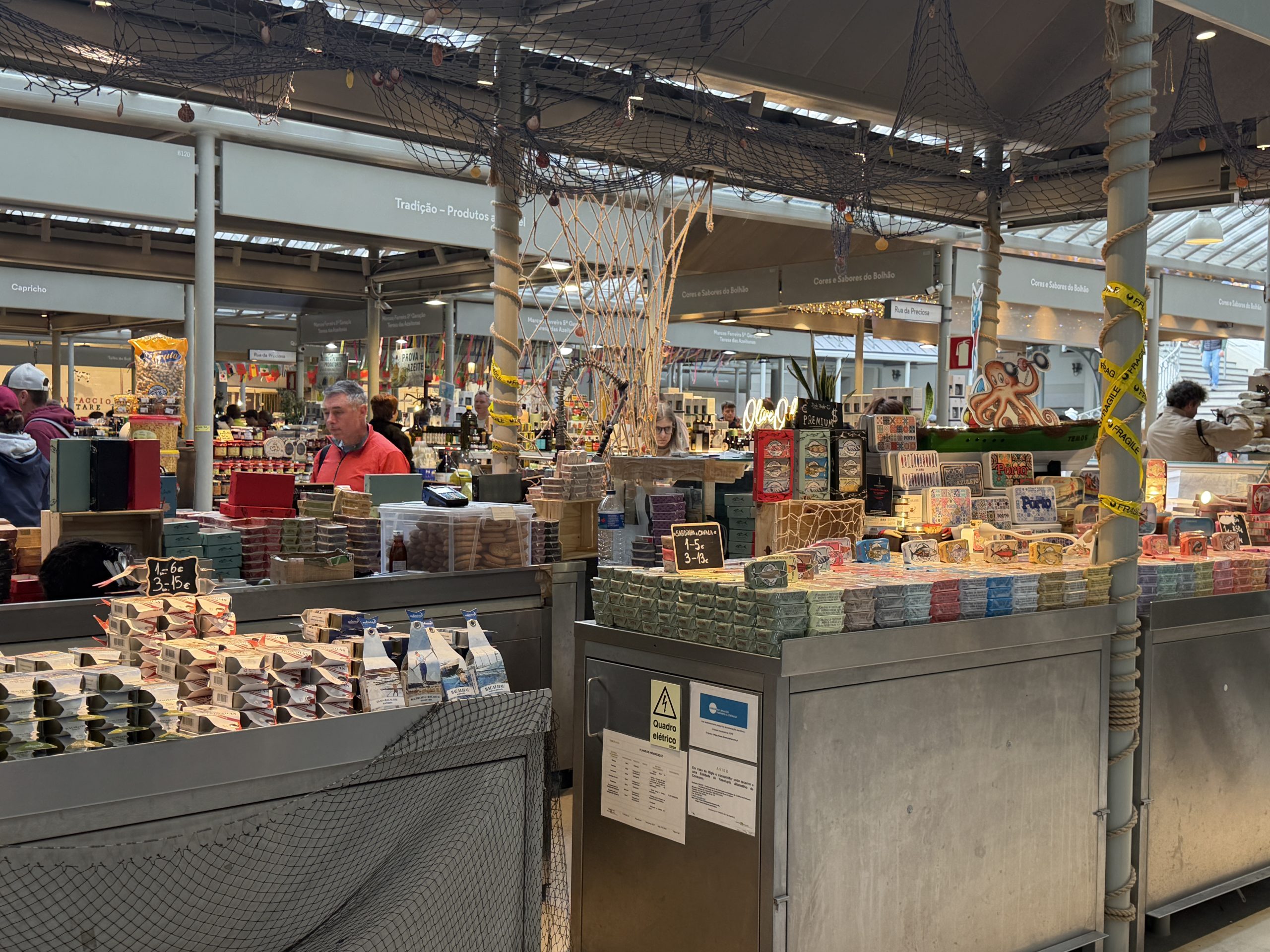
The first thing that struck us was how spotless everything was. Despite being a busy working market, every stall looked beautifully presented. Fresh fruit and vegetables added bursts of colour throughout the building, while displays of seafood, meats, cheeses, breads, flowers, and local specialties tempted us at every turn.


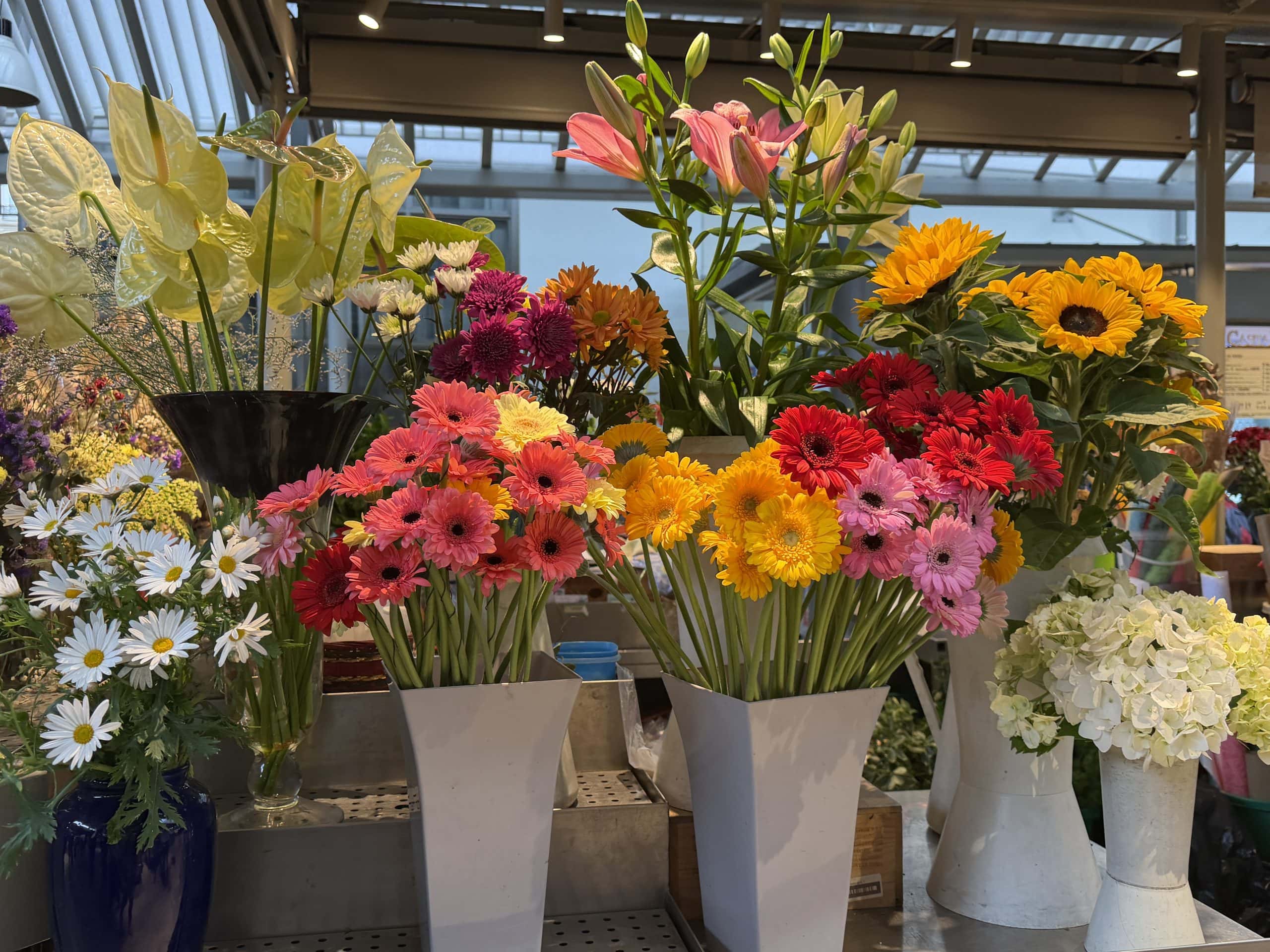
We found ourselves wandering, stopping to admire the displays and watching locals purchase ingredients for dinner. It felt authentic rather than staged for tourists.

One of the things we particularly liked was the variety of places to eat. Whether you were looking for fresh seafood, regional cheeses, pastries, wine, Port, or a simple coffee, there seemed to be endless choices.
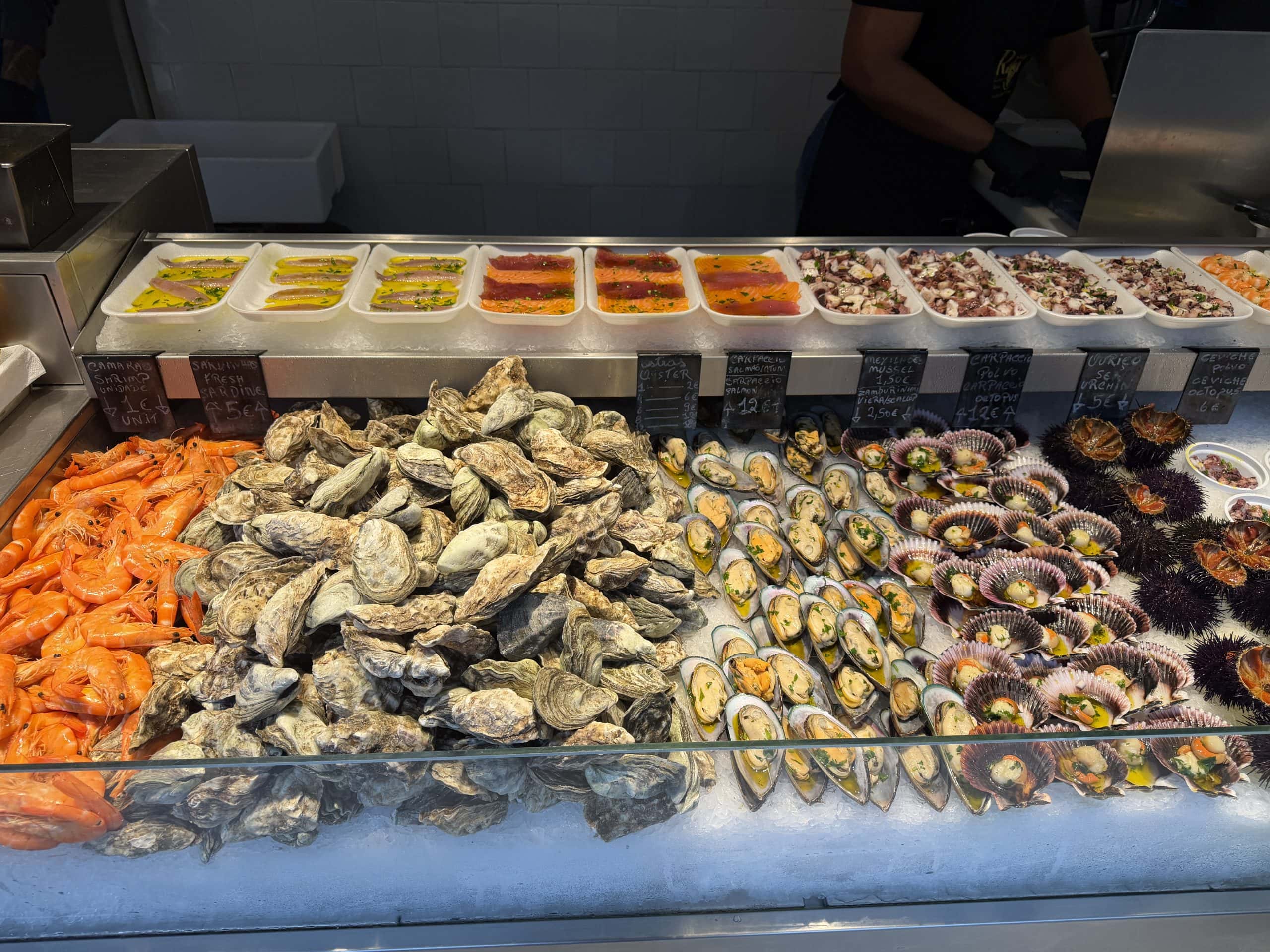

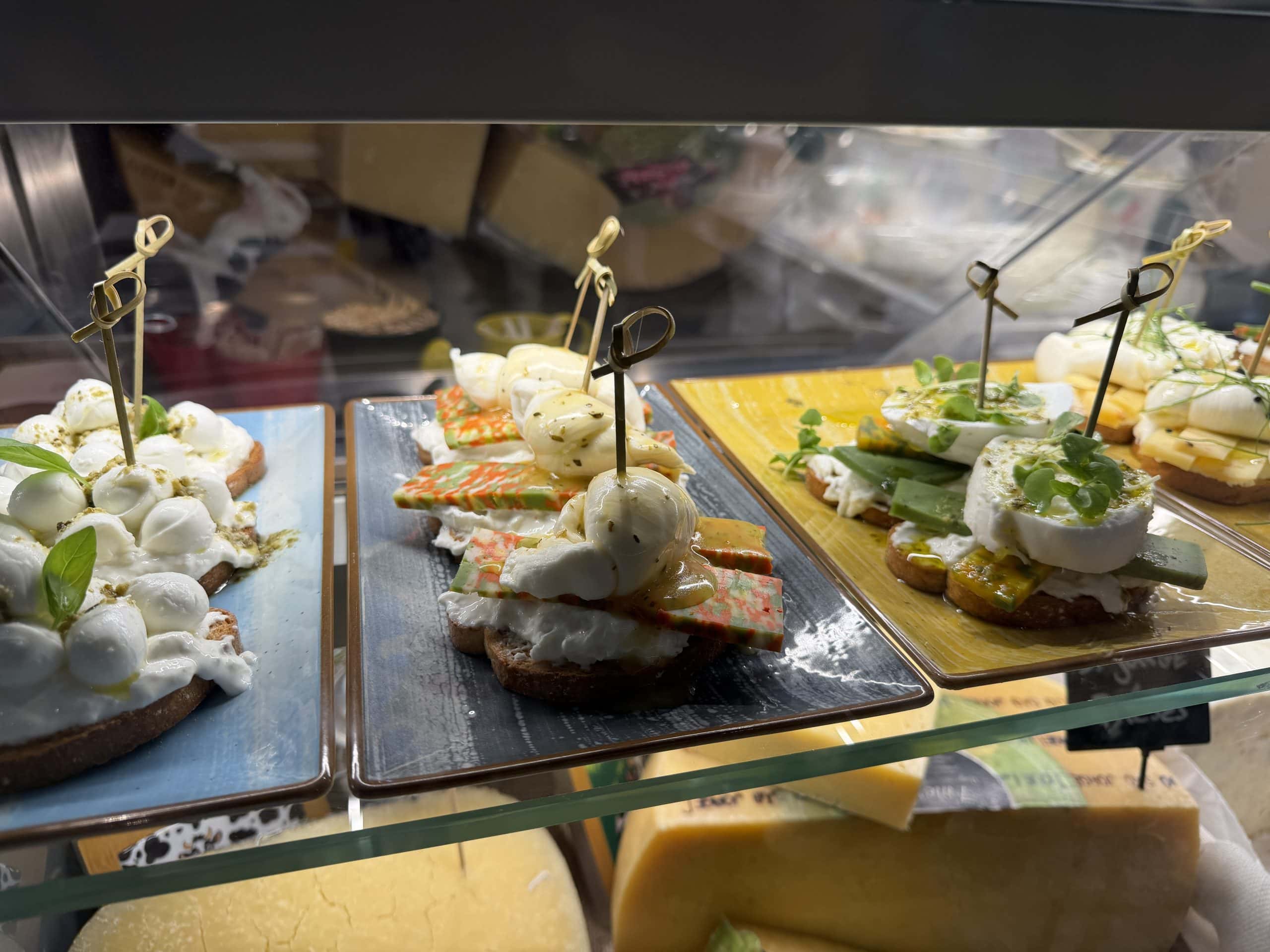

It would be very easy to spend an hour or two here and enjoy a fabulous meal.
Wander Through the Ribeira District
If there was one neighbourhood that truly captured the spirit of Porto for us, it was Ribeira. This historic district sits along the Douro River and is one of the oldest parts of the city. Narrow streets wind between colourful buildings, creating a neighbourhood that feels full of character and history.


We loved wandering and one time found ourselves on a never-ending staircase that eventually landed us at the river.

Every street seemed to reveal another interesting doorway, tiled façade, or small shop selling local products. Unlike some historic districts that have become almost entirely tourist focused, Ribeira still feels lived in. Laundry hangs from balconies, and there are beautiful plants and flowers outside people’s front doors. That authenticity was something we really appreciated.

As we gradually made our way downhill toward the river, the atmosphere changed again. The waterfront is lively and full of restaurants, cafés, and outdoor terraces. Street musicians provide entertainment while people stroll along the promenade or sit watching the boats pass by.
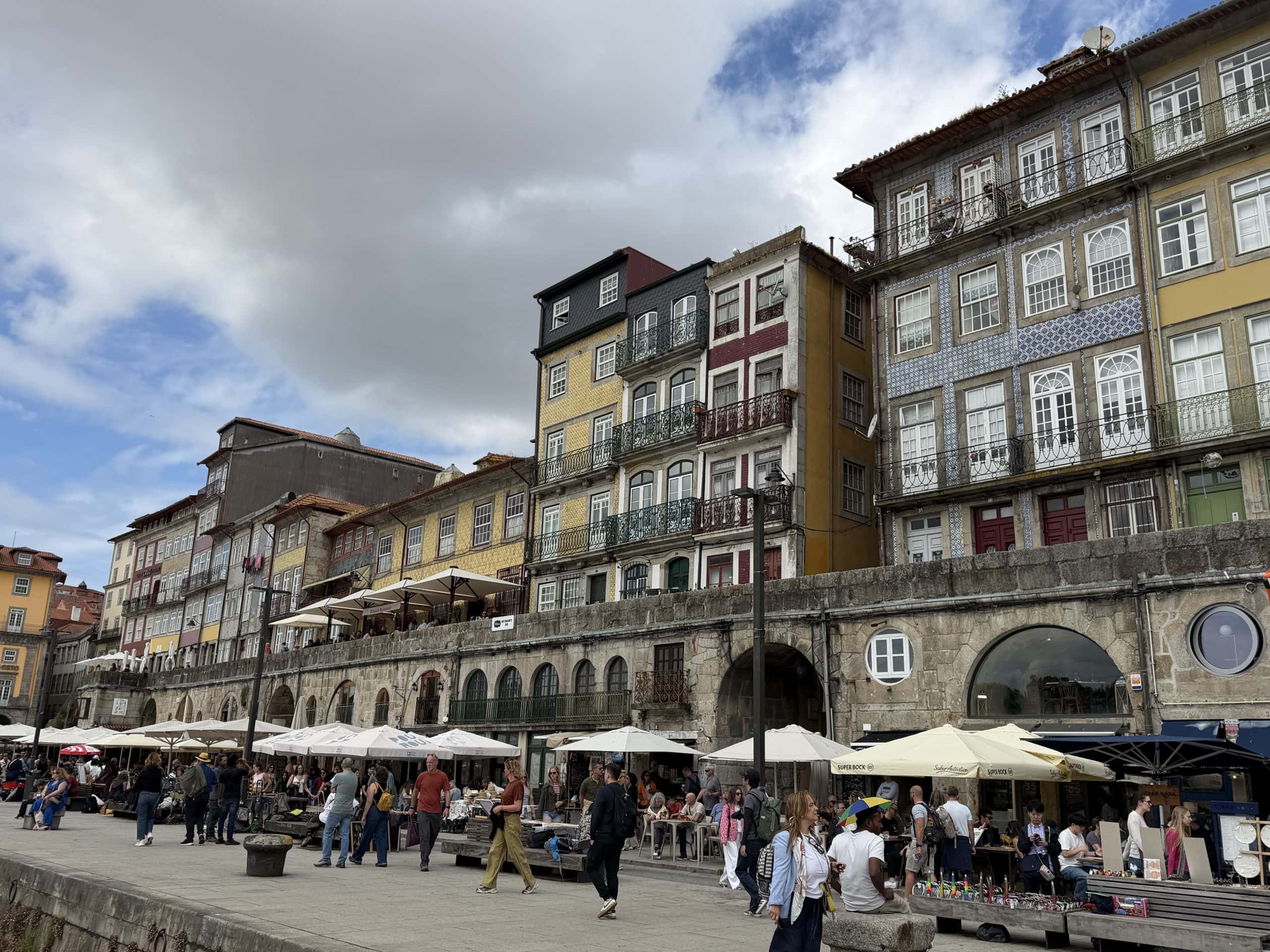
There is something relaxing about finding a seat beside the Douro River and watching the world go by. River cruises glide beneath the bridges, locals meet friends for coffee, and visitors pause every few minutes to take another photograph of the colourful buildings.
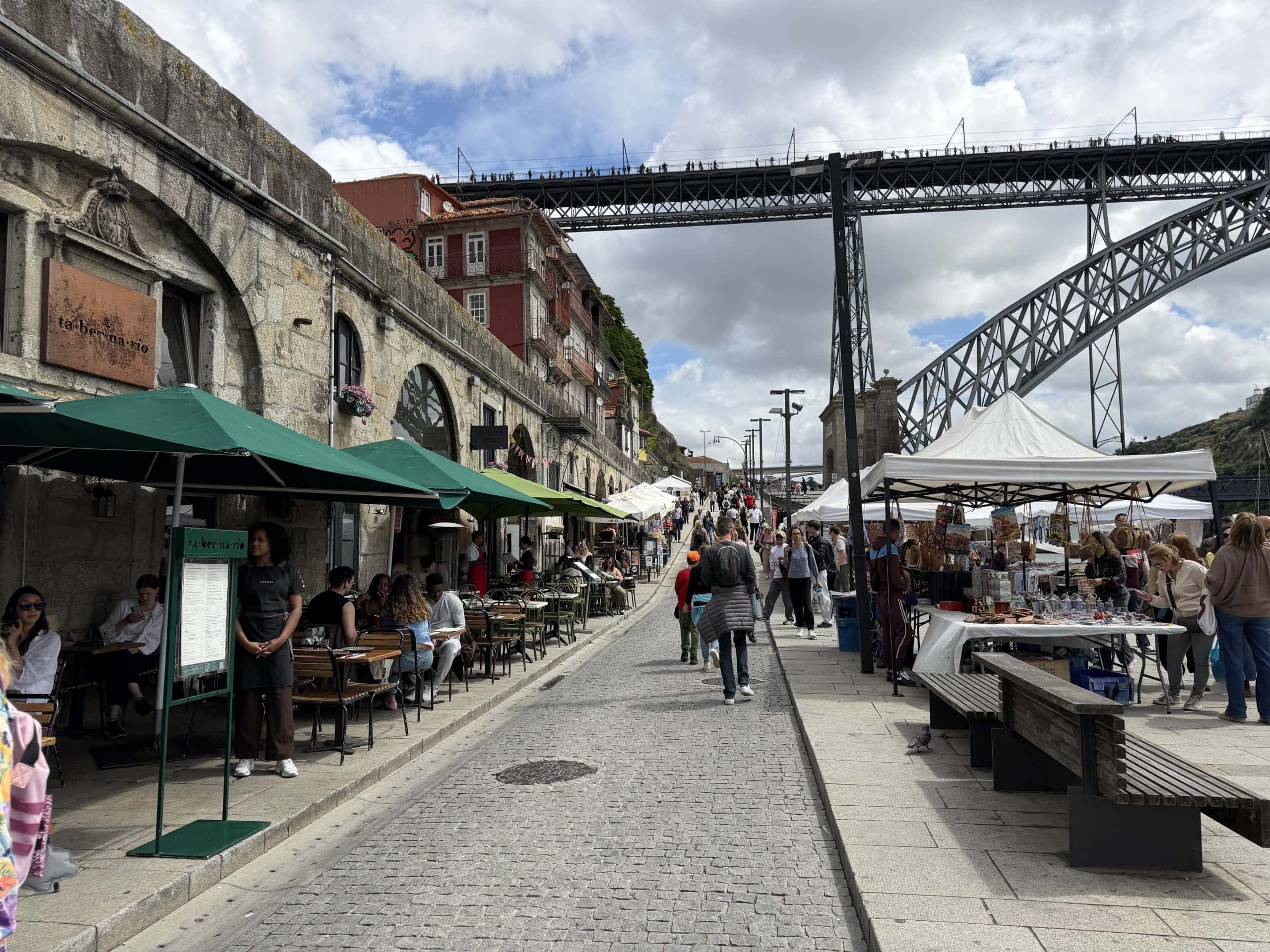
Although Ribeira is one of Porto’s busiest neighbourhoods, it never felt rushed to us. It was without question one of our favourite places in the city.
See Porto from the Douro River
One of the highlights of our time in Porto was cruising along the Douro River. In our case, we experienced it a little differently than most visitors.
We had arrived in Porto before boarding a week-long river cruise through the Douro Valley, so our first views of the city from the water came from our river ship as we departed Porto. It didn’t take long for us to realize why so many people recommend getting out on the river.
✅ If you aren’t in Porto for long enough to enjoy a week-long river cruise, this 5-star tour gives you a wonderful day exploring the Douro River. It includes a river cruise, lunch, wine tasting and stops in several of the beautiful spots along the river.
Seeing Porto from the water gives you a completely different perspective. The colourful buildings are so pretty along the riverside, while the city’s famous bridges stretch gracefully from one bank to the other. From this vantage point, you really begin to appreciate how closely Porto’s history has always been connected to the Douro River.

As our ship slowly made its way past the historic waterfront, we found ourselves constantly moving from one side of the deck to the other to admire the changing views. The skyline looked even more impressive from the river than it had from the streets above.
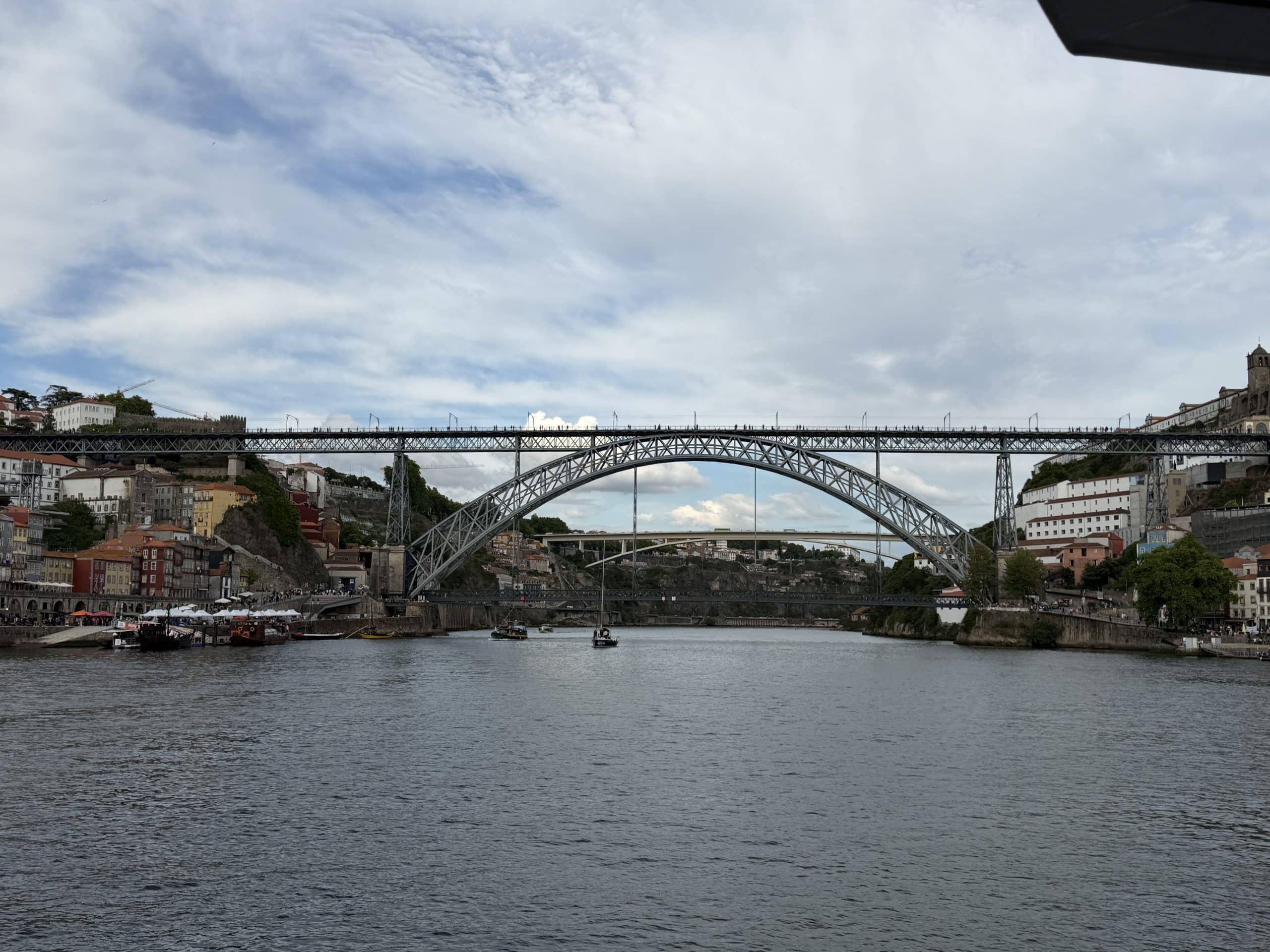
Although we experienced Porto from a river cruise ship, we would absolutely recommend taking one of the shorter sightseeing cruises if you’re visiting the city for a few days. They follow much of the same initial stretch of river and offer the opportunity to see Porto’s famous bridges, colourful Ribeira district, and the wine lodges of Vila Nova de Gaia from one of the best viewpoints in the city.

Whether you spend an hour on the river or a week cruising through the Douro Valley as we did, we think seeing Porto from the water is an experience you shouldn’t miss.
✅ If you prefer a quick boat trip, then check out this great option that provides a view of all the bridges along the river plus wine tasting!
Walk Across the Iconic Dom Luís I Bridge
No visit to Porto would be complete without crossing the Dom Luís I Bridge. It is one of the city’s most recognizable landmarks and has fantastic views from the top.
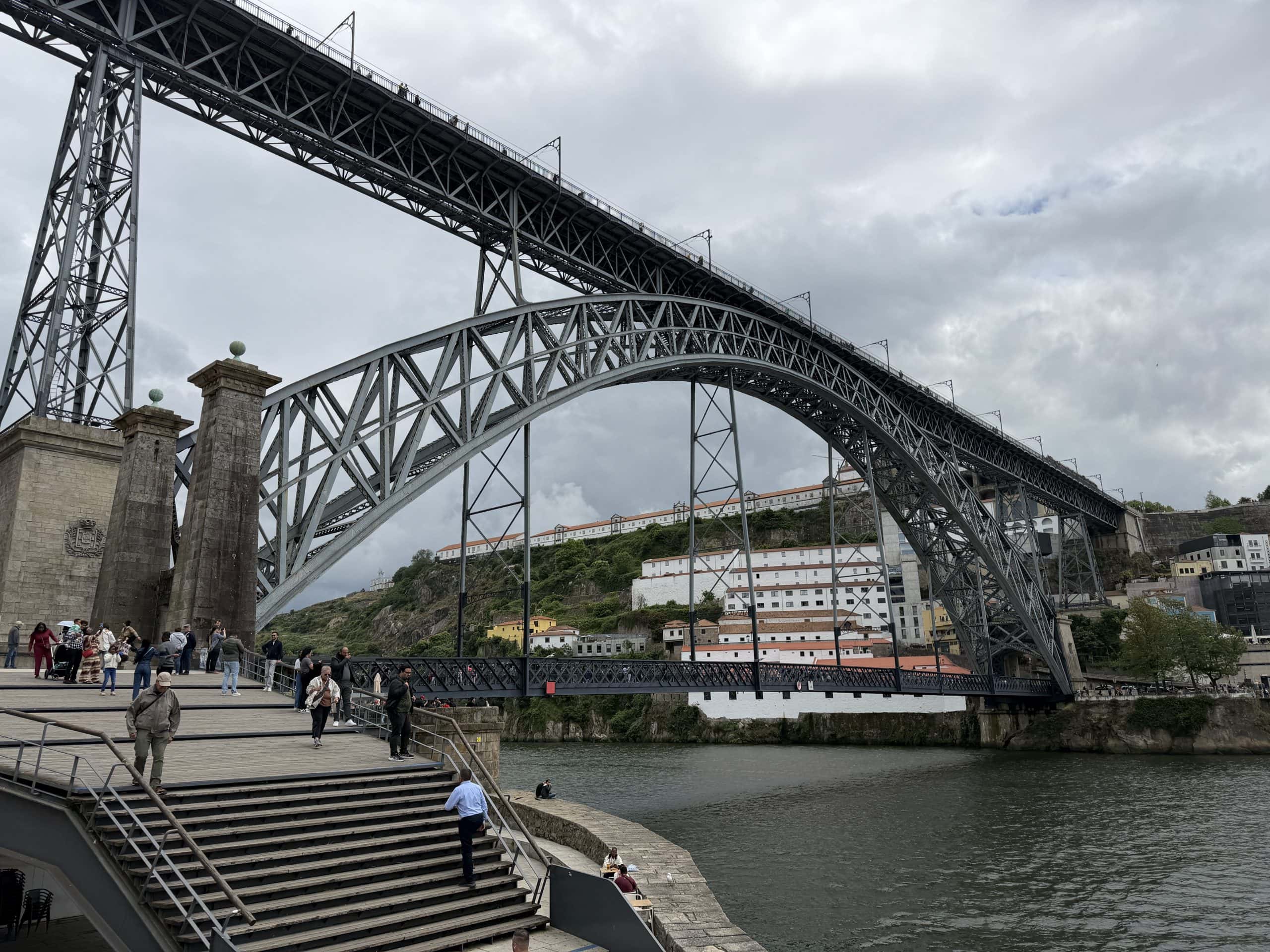
The bridge spans the Douro River, connecting Porto with Vila Nova de Gaia. Built in the late 19th century, it features two metal decks supported by a huge iron arch stretching 390 metres across the river. Whether you see it from below, from the river, or while walking across it, it is an impressive piece of engineering.

One of the things we loved most was that you could walk across either the upper or lower level. Each offers a different perspective of the city.
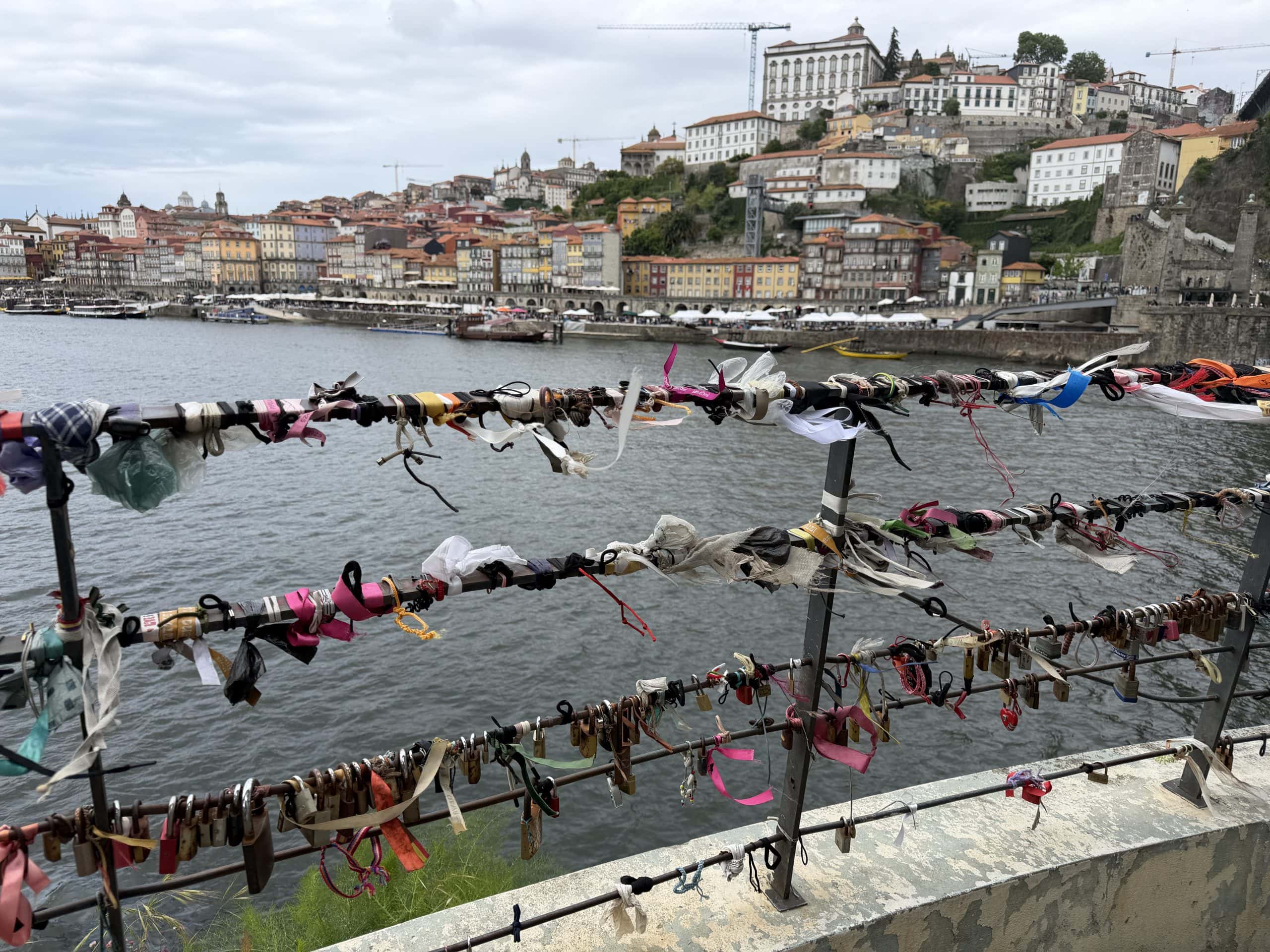
As we walked, we noticed that many visitors had attached small locks and colourful ribbons to the bridge, much like we’ve seen in other European cities.
Ride the Gaia Cable Car
Once you’ve crossed into Vila Nova de Gaia, don’t miss the opportunity to ride the Gaia Cable Car.
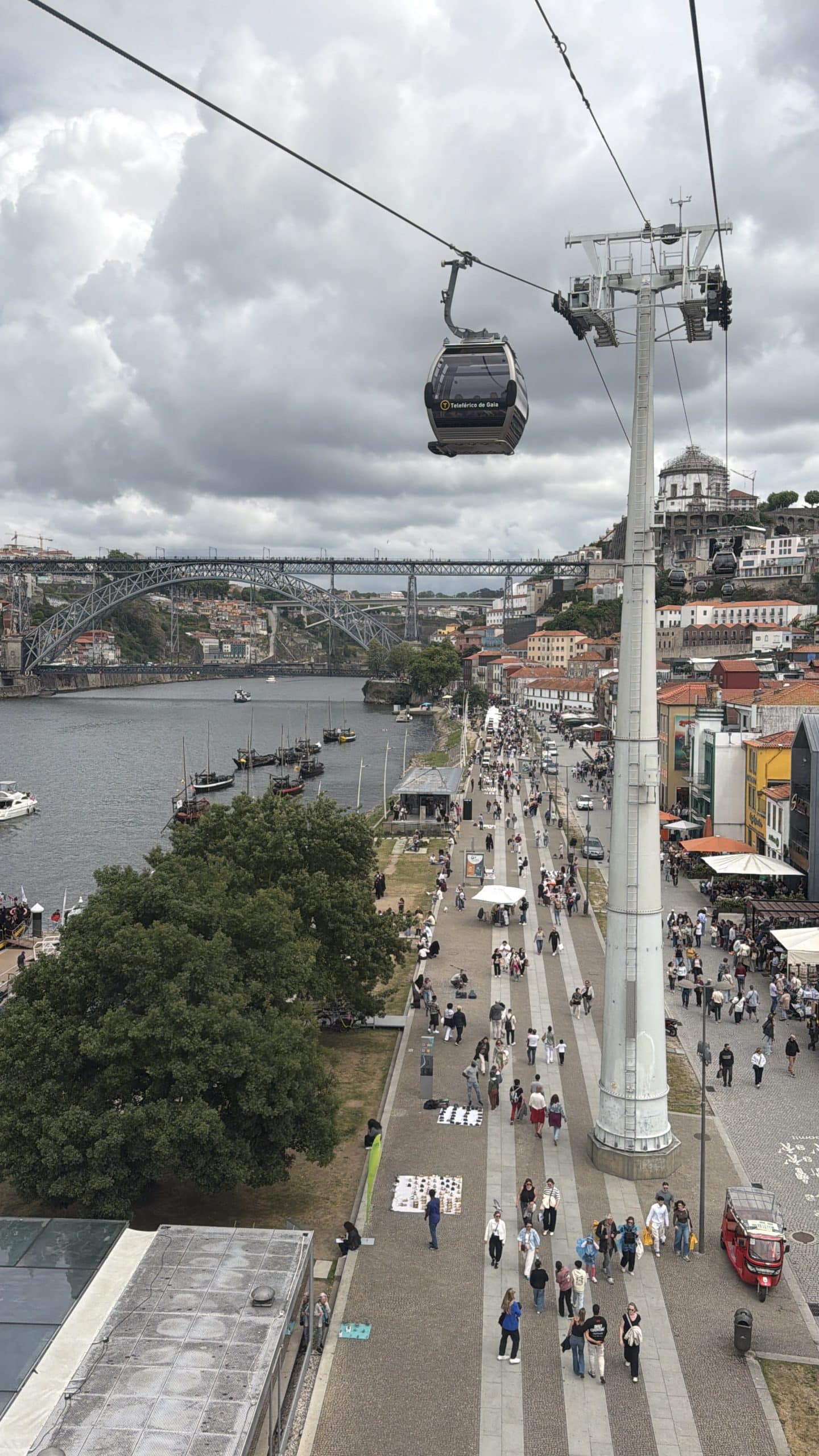
This short journey offers a bird’s-eye view of both sides of the Douro River and quickly became one of our favourite ways to appreciate Porto’s skyline.

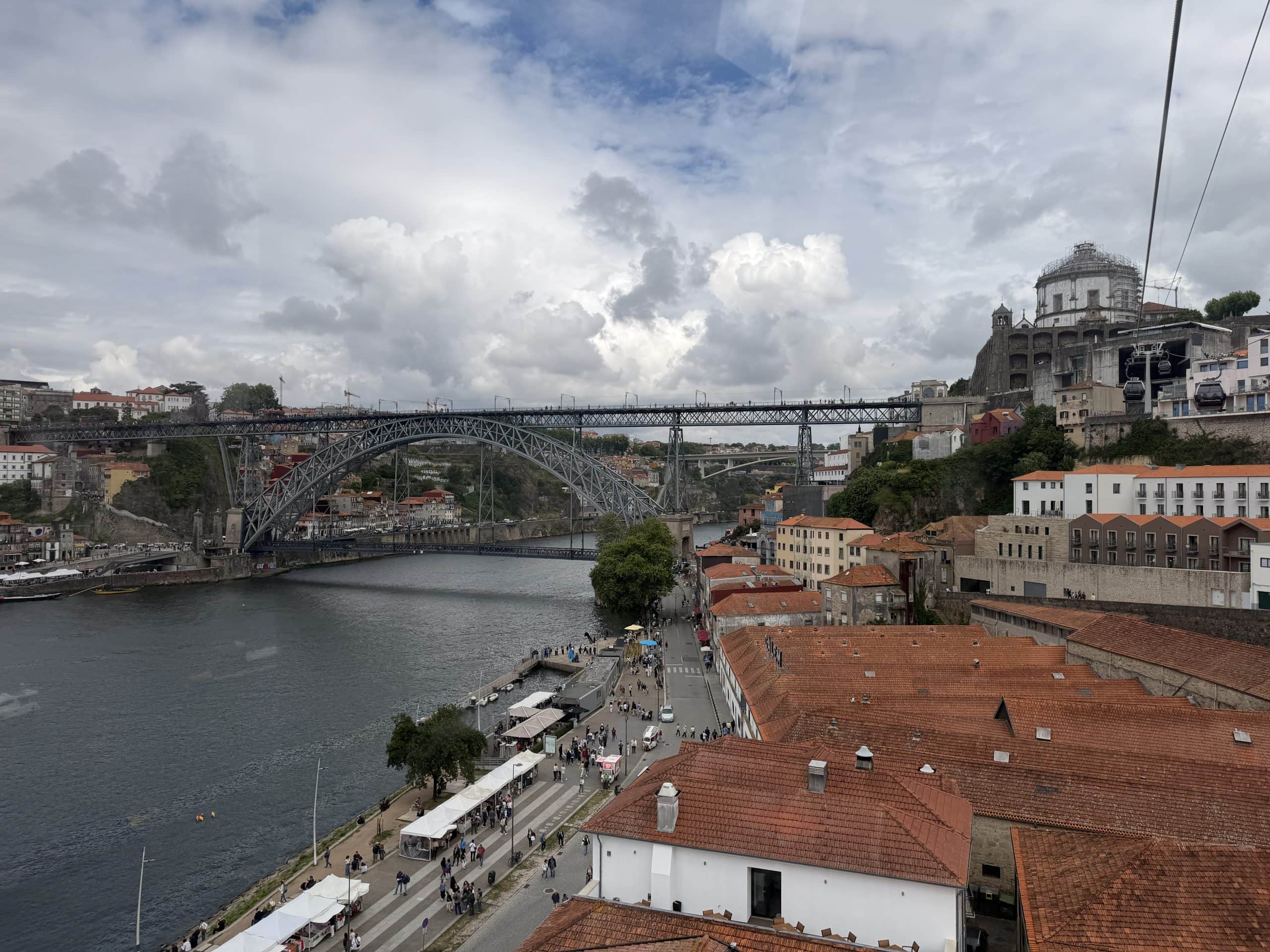
The large windows make it easy to enjoy the scenery in every direction. As we slowly glided above the hillside, we could see the rows of terracotta rooftops, the colourful buildings lining the waterfront, and the arch of the Dom Luís I Bridge.
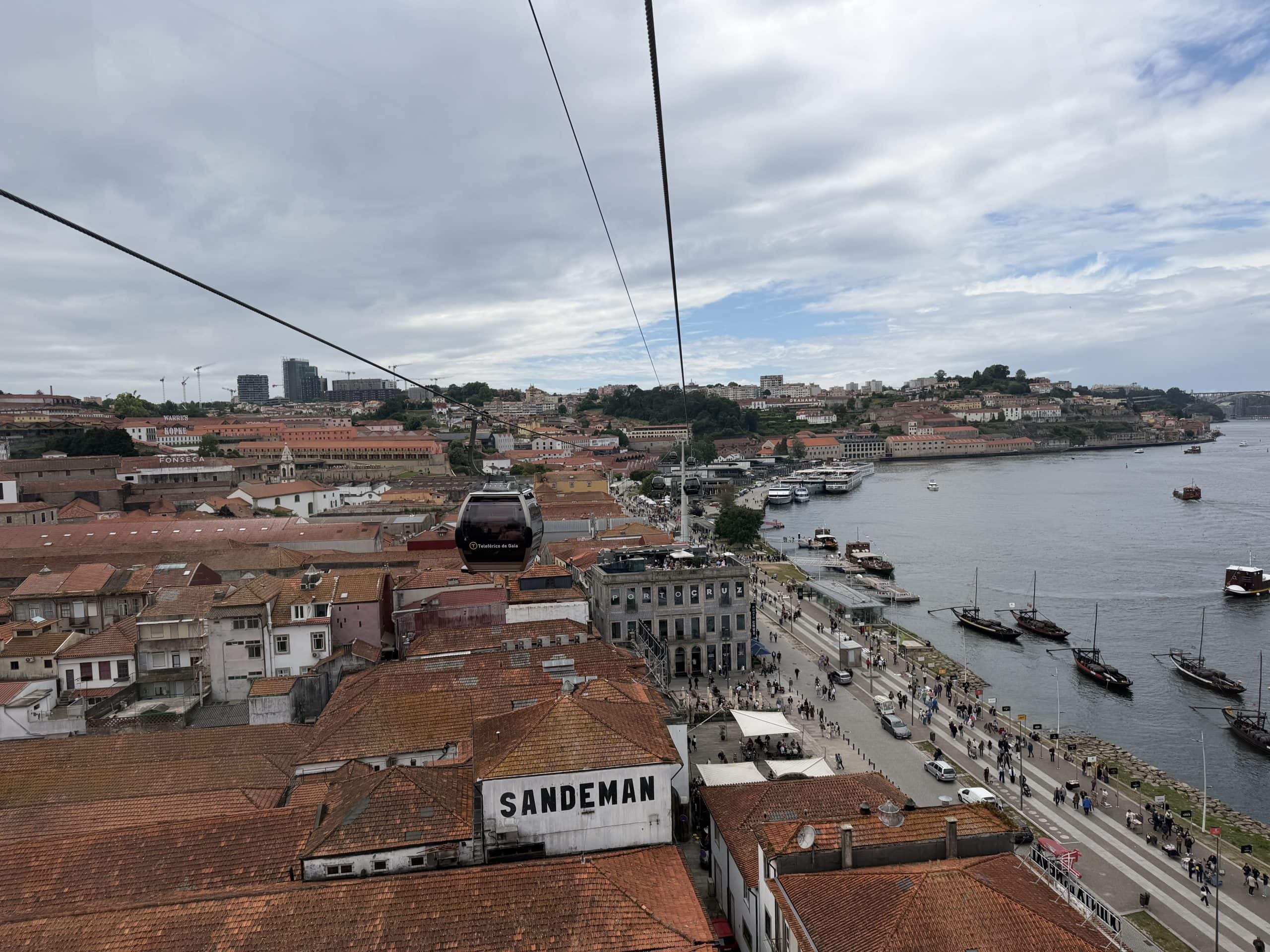
We purchased a return ticket. Before heading back, we walked out onto the upper level of the bridge to enjoy the incredible views. If you enjoy photography, this is definitely one of the best vantage points in the city.
Visit the Famous Port Wine Cellars
Crossing into Vila Nova de Gaia also brings you to one of Portugal’s most famous wine regions. Today, the riverfront is lined with warehouses belonging to nearly every major Port producer.

Interestingly, the Port cellars weren’t always located here. Originally, they operated on the Porto side of the river. As demand grew during the 19th century, they needed more space, so many moved across to Gaia, where the large wine lodges remain today.
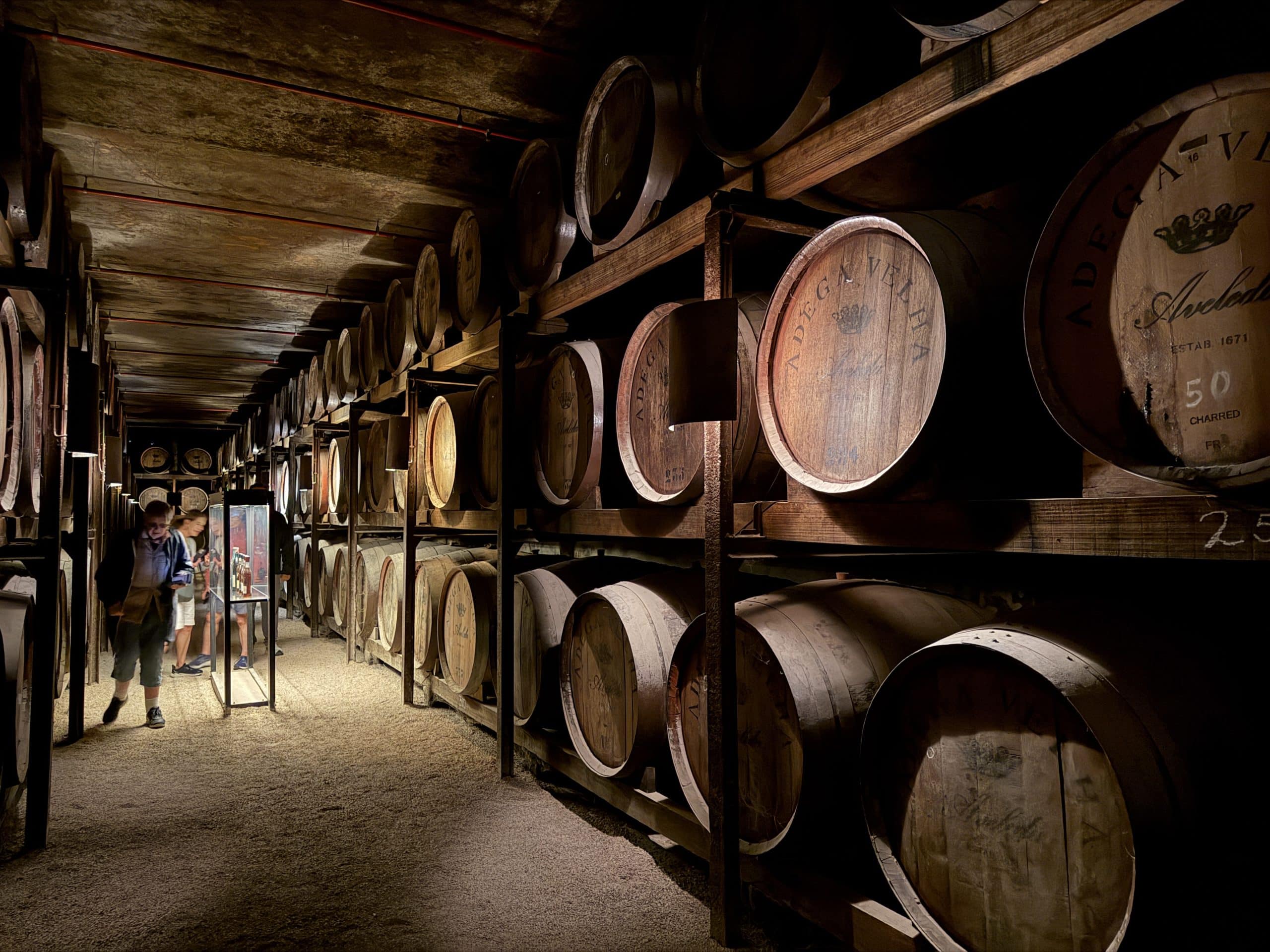
If you enjoy wine, this is a wonderful place to spend an afternoon. Many of the Port houses offer guided tours that explain how Port wine is produced, aged, and blended before finishing with a port tasting of several different styles.

Even if you’re not a serious wine enthusiast, walking along the waterfront and seeing the famous names lining the river is an enjoyable experience and an important part of Porto’s identity.
✅ This is the perfect tour to learn about the Port Cellars and, of course, to taste the signature Port that is so famous in this region. Learn from a knowledgeable guide and understand the differences between three different cellars.
Try Porto’s Signature Dish
Whenever we visit a new destination, we always try to sample at least one local specialty. In Porto, that meant ordering a Francesinha. When our server placed it on the table, we both laughed. It was enormous.
This famous sandwich is often compared to the French Croque Monsieur, but that’s really where the similarities end. Layers of roasted meat, ham, and sausage are stacked between slices of bread before being completely covered in melted cheese and a rich tomato-based sauce.
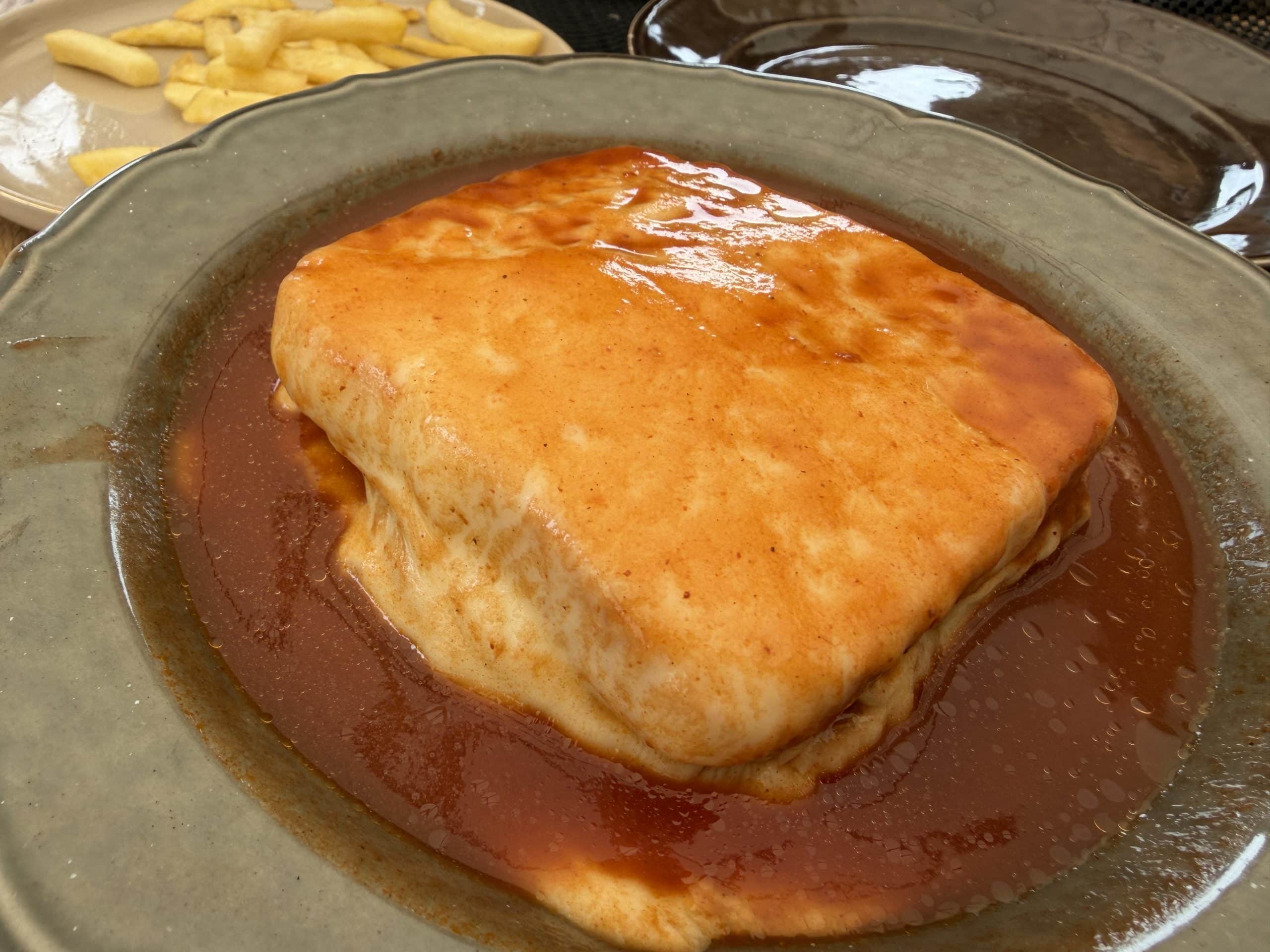
Thankfully, we had decided to share one. By the time we finished, we were very glad we had. It was incredibly filling, but also one of the tastiest meals we enjoyed during our time in Portugal.
We ordered ours at one of the restaurants along the Ribeira waterfront, which made the experience even more enjoyable as we watched people strolling along the river while we enjoyed lunch. We also tried it again when in the Algarve, and while it was good, it was better in Porto.
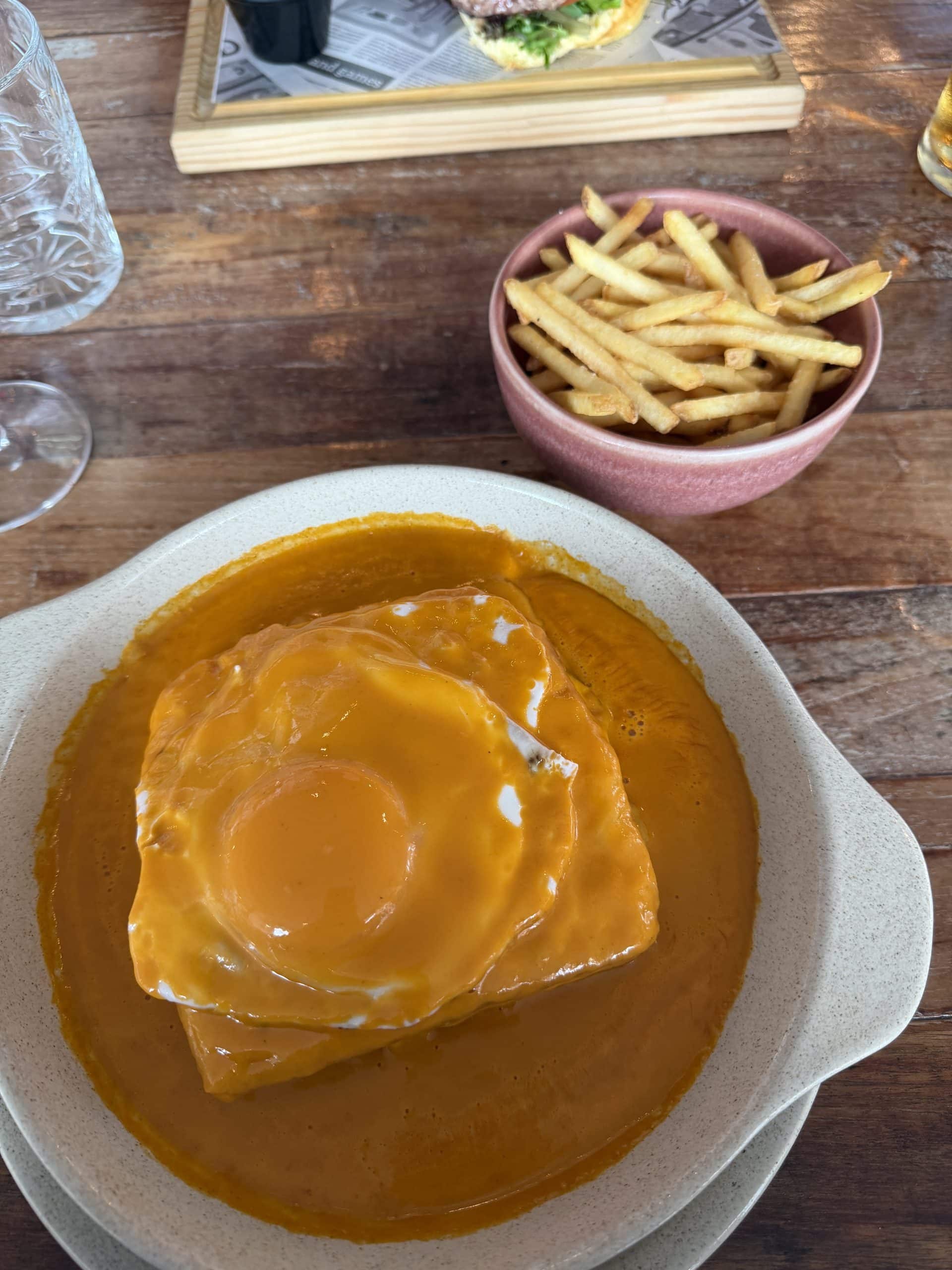
If you’re visiting Porto, this is one local dish we would definitely recommend trying.
Where to Stay in Porto
Just as we did in Lisbon, we look for accommodations that would allow us to explore the city on foot.
We generally prefer smaller boutique hotels in central locations rather than large chain properties. Porto is a city that is great for walking, so staying within the centre makes it easy to discover its streets, viewpoints, cafés, and churches at your own pace.
For a perfect location in the historic centre, you can check out the 5-star PortoBay Flores that offers spacious rooms in a historic but modern property. They have a wonderful interior patio that offers a serene spot to relax after sightseeing.
Another well located option is the Wine & Books Hotel. They offer clean and comfortable rooms with very friendly service. With an on-site restaurant and rooftop bar, it is a great location to consider.
For a hotel on the Gaia side of the river, with many restaurants and bars, check out Vincci Ponte de Ferro. This lovely property is very close to the bridge, offering easy access to Porto. The rooms provide fabulous views, and the service is amazing. Their terrace is a wonderful spot to watch the sunset.
Frequently Asked Questions About Porto
How Many Days Should You Spend In Porto?
We recommend spending at least two days in Porto. This gives you enough time to explore the historic centre, visit Gaia, enjoy the riverfront, and take your time rather than rushing between attractions.
Is Porto Walkable?
Yes. Porto is very walkable, although there are plenty of steep hills. Comfortable shoes are important.
Is Porto Better Than Lisbon?
That really depends on your travel style. We enjoyed both cities, but Porto became our favourite because it felt smaller, more relaxed, and easier to explore.
Is São Bento Station Worth Visiting?
Absolutely. The incredible tile murals make it much more than just a railway station. It is one of the best things to see there.
Is The Gaia Cable Car Worth It?
We thought so. It provides fantastic views of Porto, the Dom Luís I Bridge, and the Douro River, especially if you combine it with a walk on the bridge.
The Final Word…On The Top Things To Do In Porto
When we first arrived in Porto, we expected to enjoy another beautiful Portuguese city. What we didn’t expect was that it would become our favourite.
If you’re planning your first trip to Portugal, don’t make the mistake of treating Porto as just another stop on your itinerary. Give yourself enough time to wander, discover its neighbourhoods, and enjoy the slower pace that makes this city so special.
For us, our trip to Porto wasn’t just another destination. It was the city we will definitely return to.
If you are exploring other parts of Portugal, this guide to the Best Things To Do In Lisbon will be helpful for your planning.